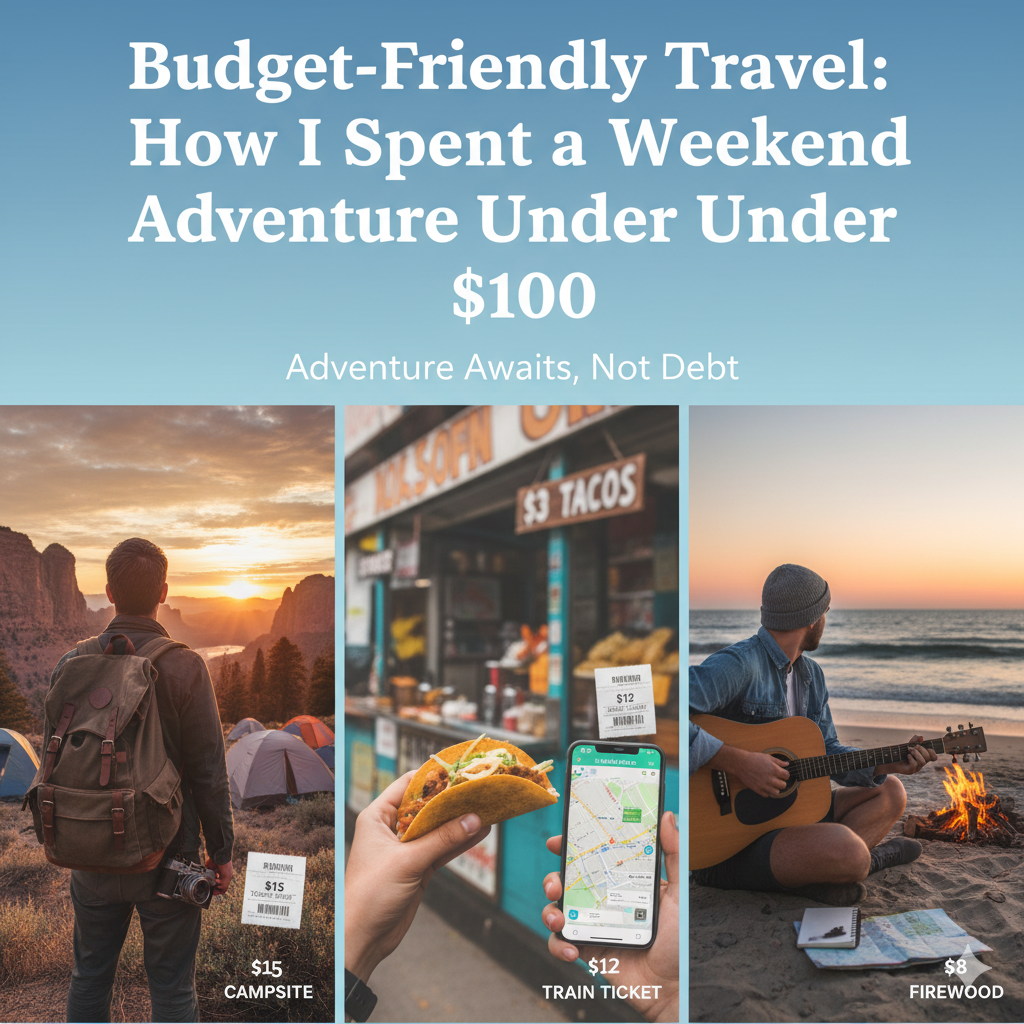
Traveling on a budget doesn’t have to mean missing out on adventure, fun, and unforgettable experiences. In fact, it can be an opportunity to explore new places without breaking the bank. I recently had the chance to spend an amazing weekend away for under $100, and I’d like to share how I managed to make it happen. Whether you’re looking for a spontaneous getaway or just trying to stretch your travel budget further, this article will walk you through my budget-friendly travel experience, filled with tips and tricks to help you embark on your own affordable adventure.
The Goal: A Weekend Adventure for Less Than $100
When you think of a weekend getaway, it’s easy to assume it will cost hundreds of dollars between accommodation, meals, transportation, and activities. However, with some careful planning, a little flexibility, and a focus on low-cost alternatives, I managed to keep the total cost of my weekend trip under $100. Here’s how I did it.
Choosing the Destination: Local and Close to Home
The first step to saving money on travel is choosing a destination that is relatively close to home. This eliminates the need for expensive flights, long-distance travel, or costly transport. For my weekend trip, I chose a destination within a 2-3 hour drive from where I live, keeping transportation costs low and allowing for more flexibility.
Transportation: Road Trip on a Budget
One of the easiest ways to save on travel expenses is by driving. Whether you have your own car or you can borrow one from a friend or family member, road trips are a great way to avoid the high costs of flights or public transportation.
In my case, I used my own car, which meant I didn’t have to pay for a flight or bus tickets. While gas prices can fluctuate, I made sure to plan my trip efficiently, calculating the cost of fuel beforehand and making the most out of each tank. To further reduce transportation costs, I packed my car with snacks and drinks, so I wouldn’t need to stop at overpriced convenience stores or restaurants along the way.
Finding Affordable Accommodation: Camping and Hostels
Accommodation is often one of the biggest expenses when traveling, but it doesn’t have to be if you think outside the box. Instead of booking an expensive hotel or resort, I opted for affordable alternatives like camping or staying in hostels.
For my weekend adventure, I decided to camp. It’s not only cheap but also a fantastic way to connect with nature. I chose a nearby national park where camping fees were only $25 per night. The park provided clean restrooms and showers, which meant I didn’t have to sacrifice comfort for affordability. Plus, camping allowed me to enjoy stunning sunrises and sunsets without paying for a view.
Free and Low-Cost Activities: Nature Trails, Hiking, and Sightseeing
One of the best parts of budget travel is that many activities are completely free or very low-cost. Nature-based activities, like hiking, visiting parks, or exploring scenic viewpoints, are not only enjoyable but also often cost little to nothing. I took full advantage of the natural beauty around me during my weekend adventure.
I spent my Saturday morning hiking on a popular trail in the national park. The trail was free to access, and the scenery was breathtaking. I also explored a nearby lake where I could walk along the shoreline, rent a kayak for an affordable price, or simply relax and enjoy the fresh air. These types of activities don’t require much money but can provide an enriching experience.
Additionally, I made sure to explore local landmarks and free attractions. Many cities and towns offer free museums, historical sites, and public parks to explore, all of which can enhance your travel experience without putting a dent in your budget.
Meal Planning: Grocery Store Shopping and Simple Meals
Food is another area where expenses can quickly add up, especially if you eat out for every meal. Instead of relying on restaurants or takeout, I opted for a more budget-friendly approach by planning my meals in advance and shopping at a local grocery store.
Before my trip, I made a shopping list of affordable, easy-to-make meals. I bought ingredients for sandwiches, salads, and snacks—foods that were not only nutritious but also cost-effective. I prepared most of my meals at the campsite, which helped me save money while still enjoying delicious food. For instance, I cooked a simple but hearty meal of pasta with marinara sauce and garlic bread one night, which only cost a few dollars per serving.
When I did eat out, I stuck to local, casual dining spots that offered affordable meals. Many small towns have hidden gems where you can get a filling meal for less than $10. I found a quaint diner that offered a great breakfast for only $6, which was a perfect way to start my second day of exploring.
The Breakdown of My $100 Weekend Adventure
Let’s break down the total cost of my weekend trip to give you a clearer picture of how I kept everything under $100.
Transportation Costs
- Gas: $20 (for the round-trip drive)
- Snacks and drinks: $5
Accommodation
- Campsite fees: $50 (2 nights at $25 per night)
Activities
- National park entrance: Free
- Hiking and sightseeing: Free
- Kayak rental: $10
Food
- Groceries for meals: $15
- Dining out: $10
Total: $100
As you can see, with careful planning, it’s possible to have an amazing weekend adventure without overspending. By minimizing unnecessary expenses and focusing on low-cost options, I was able to enjoy a fulfilling trip for just $100.
Tips for Saving Money on Your Next Budget-Friendly Trip
If you’re looking to plan your own affordable getaway, here are some additional tips to help you save money and make the most of your budget:
1. Travel During Off-Peak Times
If possible, try to travel during off-peak seasons when prices for accommodation and attractions are lower. Traveling during the week rather than on weekends can also help you save money on flights and lodging.
2. Use Discount Travel Websites
Websites like Airbnb, Booking.com, and Hostelworld often offer great deals on accommodation. If you’re open to staying in hostels or budget hotels, you can find affordable places to stay even in expensive cities.
3. Pack Your Own Food
Preparing your own meals while traveling is one of the best ways to save money. Bring a cooler with sandwiches, snacks, and drinks, or opt for easy-to-make meals like pasta, salads, or rice dishes. This will help you avoid spending a lot on eating out.
4. Take Advantage of Free Attractions
Many destinations offer free attractions, such as public parks, museums, and hiking trails. Research your destination beforehand to find out what free activities are available. This will allow you to enjoy the local culture without spending extra money.
5. Stay with Friends or Use Couchsurfing
If you’re traveling to a destination where you know someone, ask if you can stay with them to save on accommodation costs. Alternatively, you can use Couchsurfing, a platform that connects travelers with locals who offer free places to stay.
6. Be Flexible with Your Travel Plans
Flexibility is key when it comes to saving money on travel. If you’re open to adjusting your travel dates or destination, you can take advantage of last-minute deals and discounts on flights and accommodation.
7. Keep Transportation Costs Low
When traveling on a budget, try to use public transportation or carpool with friends to save on travel expenses. If you’re traveling within a city, consider walking or renting a bike instead of using taxis or ride-sharing services.
8. Avoid Souvenir Shopping
Souvenir shopping can quickly add up and eat into your travel budget. Instead of buying expensive keepsakes, take photos of the places you visit and create your own travel memories. If you do want a souvenir, opt for something small and inexpensive, like a postcard or keychain.
Conclusion: Enjoying Affordable Travel Without Compromise
Spending a weekend adventure under $100 is not only possible, but it can also be incredibly rewarding. By focusing on affordable transportation, budget accommodation, free activities, and simple meals, I was able to experience a fulfilling trip without breaking the bank. Traveling on a budget requires creativity and planning, but it doesn’t mean sacrificing quality or enjoyment.
Remember, the most important part of any trip is the experience, not how much money you spend. Whether you’re embarking on a weekend adventure or planning a longer journey, there are always ways to save money without compromising on the fun and memories you create along the way.
With the right mindset and a bit of preparation, you can enjoy amazing travel experiences that fit perfectly within your budget. So, why not start planning your own budget-friendly getaway today?