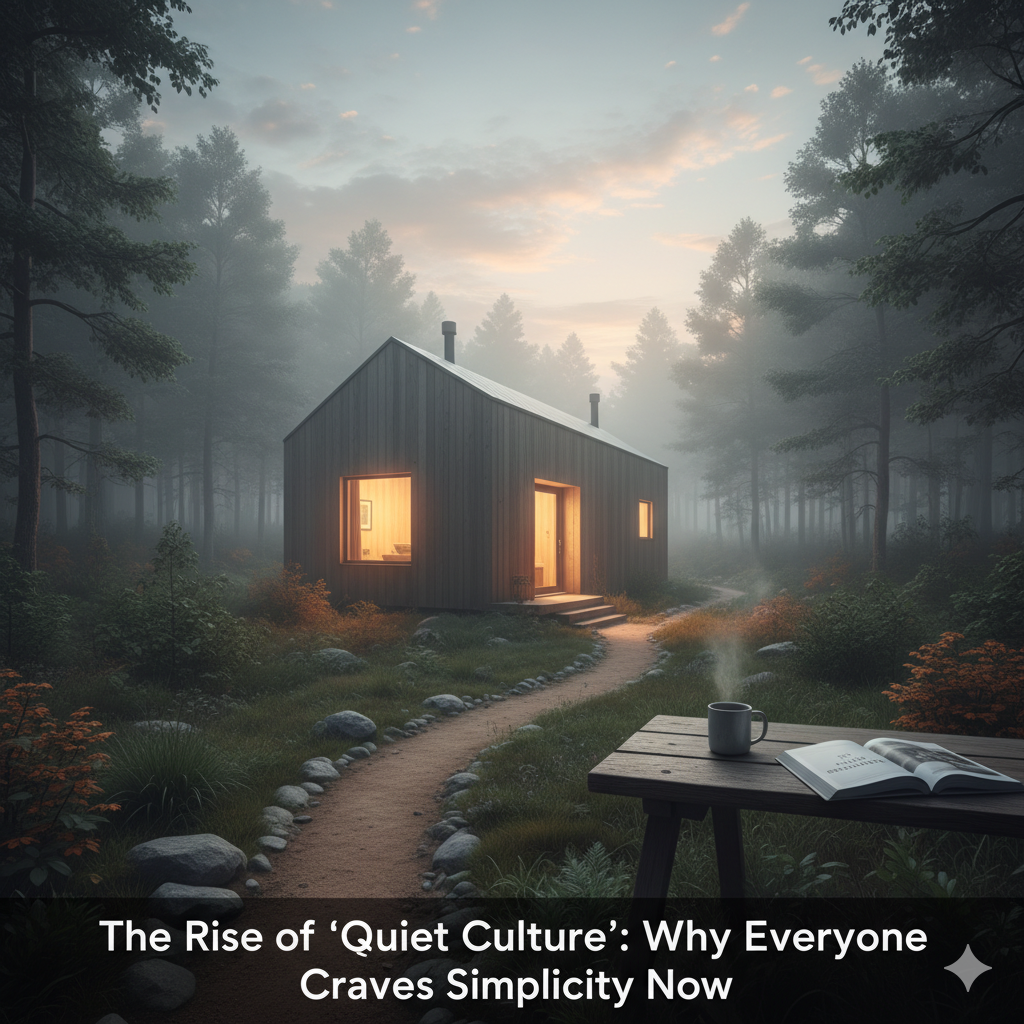
In a world overwhelmed by constant noise—be it the hum of notifications, the barrage of news, or the demands of daily life—many people are yearning for a break. Amidst the chaos, a new cultural shift has begun to emerge: the rise of “Quiet Culture.” It’s not just a fleeting trend but a movement toward simplicity, mindfulness, and peace in a society that often feels like it’s moving too fast.
The quest for simplicity isn’t about rejecting modernity or technology; it’s about reimagining how we live, work, and connect in ways that nurture our mental, emotional, and physical well-being. In this article, we’ll explore what Quiet Culture is, why it’s gaining traction, and how this craving for simplicity is reshaping our lives and the world around us.
What is Quiet Culture?
Quiet Culture refers to a shift away from the noise of modern life, whether it’s digital, social, or internal. It encompasses a broader cultural movement that prioritizes stillness, solitude, mindfulness, and simplicity. Rather than being surrounded by constant distractions and stimuli, individuals embracing Quiet Culture seek quieter, more intentional lives.
At its core, Quiet Culture is about finding peace in the midst of chaos, slowing down in a world that values speed, and rediscovering the joys of simplicity. It involves taking a step back from the frenetic pace of everyday life to focus on what truly matters—whether it’s family, personal growth, or simply the act of being present.
In essence, Quiet Culture is about creating space for meaningful reflection, relaxation, and personal connection. It’s a rejection of the idea that busyness equals success or happiness. Instead, it places value on quality of life, mindfulness, and genuine human interactions.
The Impact of Technology and Modern Life on Our Well-Being
Before we delve into why Quiet Culture is gaining so much attention, it’s important to understand the forces that have contributed to this craving for simplicity. The rapid rise of technology, especially smartphones and social media, has transformed the way we live, work, and interact. While these advancements have brought numerous benefits, they have also created an environment that’s constantly demanding our attention.
The Digital Overload
The digital age has made it easier than ever to stay connected, but it has also led to an overwhelming amount of information and distractions. According to studies, the average person spends several hours a day on their phone, constantly checking emails, scrolling through social media feeds, and absorbing endless news updates. This constant barrage of information has been linked to increased levels of stress, anxiety, and feelings of being overwhelmed.
The culture of “always being on” has made it harder to disconnect and relax. Social media, in particular, has created a sense of FOMO (fear of missing out), where individuals feel the need to constantly check in on what others are doing. This not only affects our emotional well-being but also impacts our ability to focus and be present in our own lives.
The Busyness Epidemic
Alongside the digital overload, society has embraced the idea of busyness as a badge of honor. From early morning meetings to late-night emails, it often feels like the more we accomplish, the more valuable we are. This culture of constant hustle can lead to burnout, mental exhaustion, and a lack of time for rest or reflection.
While working hard is important, the constant push for productivity often comes at the expense of personal well-being. People are increasingly realizing that the pursuit of success—if it’s not balanced with self-care and downtime—can lead to feelings of emptiness and dissatisfaction. Quiet Culture offers a counterpoint to this frantic pace, encouraging individuals to slow down and prioritize what truly matters in life.
Why Is Quiet Culture Gaining Popularity?
In recent years, there has been a noticeable shift toward simplicity and quietness, with more people seeking a sense of balance and peace in their lives. So, why is Quiet Culture gaining such widespread popularity now? Several factors are contributing to this growing movement.
1. The Search for Mental Health Balance
One of the most significant drivers behind the rise of Quiet Culture is the growing awareness of mental health and the importance of maintaining emotional well-being. As stress, anxiety, and depression rates continue to rise, many people are seeking ways to reduce the pressure and noise in their lives.
Mindfulness, meditation, and other practices that encourage slowing down and focusing on the present moment have gained widespread popularity. People are beginning to realize that in order to preserve their mental health, they need to disconnect from the overstimulation of modern life and create space for relaxation, reflection, and self-care.
2. The Rise of Minimalism
Minimalism is another key aspect of Quiet Culture. Over the last decade, minimalism has become a popular lifestyle choice for those seeking simplicity and contentment. By decluttering their physical spaces, people can create an environment that fosters peace and mindfulness. The act of getting rid of excess possessions and distractions allows for more intentional living, where each item or activity has a purpose and adds value to life.
Minimalism extends beyond material possessions; it also involves simplifying commitments, schedules, and relationships. The idea is to focus on what truly brings joy and fulfillment, and let go of the rest. As people adopt minimalist principles, they are naturally drawn to quieter, more meaningful lives.
3. The Digital Detox Trend
Another reason for the rise of Quiet Culture is the growing recognition of the need for digital detoxes. Many individuals are becoming more conscious of their screen time and the toll that excessive social media use and constant connectivity can take on their mental health. Digital detoxing has become a way for people to disconnect from their devices and reconnect with themselves and the world around them.
From social media breaks to entire weekends spent offline, people are finding that taking time away from their devices helps them feel more focused, grounded, and at peace. This desire to unplug and embrace the quiet is a key component of Quiet Culture.
4. The Slow Living Movement
The Slow Living movement is another trend closely tied to Quiet Culture. Slow living advocates for a more intentional, less hurried way of life. It encourages people to savor the present moment, enjoy simple pleasures, and reject the pressure to constantly do more or move faster. Rather than rushing through life, Slow Living encourages individuals to slow down and appreciate life’s small, quiet moments—whether it’s enjoying a meal without distractions or taking a leisurely walk in nature.
As people become more aware of the negative effects of a fast-paced, hyper-connected world, the idea of slowing down and living more mindfully is becoming increasingly attractive.
How to Embrace Quiet Culture in Your Own Life
If you’re feeling the pull toward Quiet Culture, there are simple, practical steps you can take to incorporate more peace and simplicity into your daily routine. Here are some tips on how to embrace the art of quiet living:
1. Practice Digital Detox
Start by carving out time each day to disconnect from your devices. Set specific times when you turn off your phone or computer, and make these times sacred for rest, reflection, or connecting with loved ones. You can also set boundaries around social media, limiting your usage to certain hours of the day or avoiding it altogether on weekends.
2. Declutter Your Physical Space
One of the easiest ways to introduce more quiet into your life is by decluttering your physical environment. A clean, organized space has been shown to reduce stress and promote relaxation. Take time to go through your belongings and get rid of items that no longer serve you. Focus on keeping only what brings you joy or adds value to your life. This practice aligns with the minimalist principles of Quiet Culture and helps create a more peaceful, intentional space.
3. Engage in Mindful Practices
Mindfulness is a powerful tool for embracing Quiet Culture. Whether through meditation, journaling, or simply paying attention to your breath, mindfulness helps you stay present and connected to the moment. Incorporating mindful practices into your daily routine can help you reduce stress, increase self-awareness, and foster a sense of calm.
4. Slow Down and Prioritize Self-Care
Take a step back from the rush of daily life and focus on self-care. This could mean taking time each day to relax, meditate, or do something that brings you joy. Consider adopting a slower pace in your daily routine by simplifying your schedule and reducing unnecessary commitments. Prioritize activities that nourish your body, mind, and soul.
5. Spend Time in Nature
Spending time outdoors is an excellent way to reconnect with the quiet. Whether it’s a walk in the park, hiking in the woods, or simply sitting outside to enjoy the fresh air, nature has a calming effect on the mind and body. Make it a habit to spend time in nature regularly, away from the distractions of modern life.
The Future of Quiet Culture
As the world continues to grow louder and more connected, it’s clear that the desire for simplicity, quiet, and mindfulness will only continue to grow. Quiet Culture offers a much-needed counterbalance to the constant hustle and noise that defines modern life. As more individuals embrace the art of doing less, they are discovering that doing nothing can be the key to living more fully.
Whether through digital detoxes, minimalism, or mindful living, Quiet Culture is not just a passing trend—it’s a movement toward reclaiming peace and purpose in an otherwise chaotic world. In a society that prizes busyness and productivity, the quest for stillness is a radical, but necessary, act of self-care and well-being.
In the end, the rise of Quiet Culture isn’t about rejecting modernity—it’s about finding balance. It’s about embracing the simplicity of life’s quiet moments and recognizing that in those moments, we often find the most profound sense of peace.