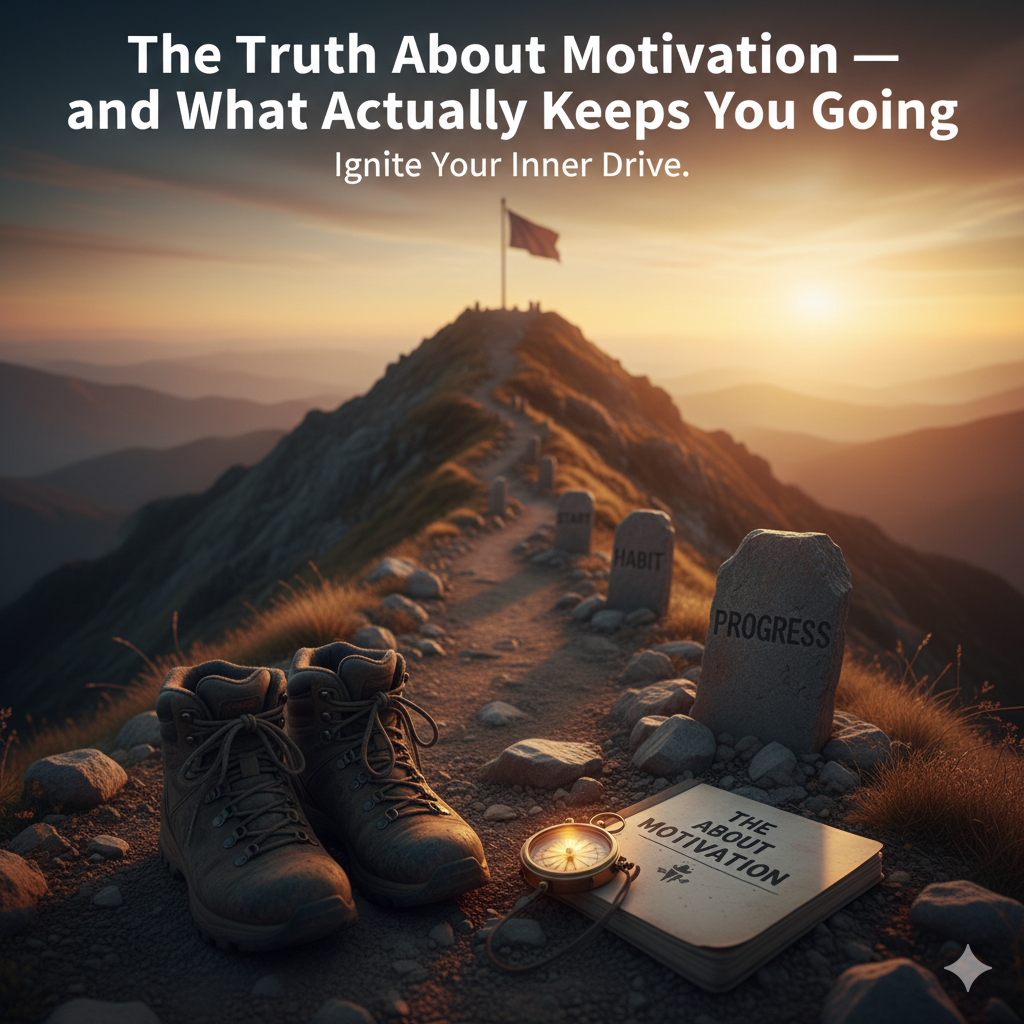

Motivation drives people to chase their goals, overcome challenges, and build the life they dream of. When motivation feels strong, everything appears possible. When it disappears, even simple tasks can feel overwhelming. Many individuals believe that motivation is a magical burst of energy that arrives when needed. However, the truth is more practical and empowering. Motivation can be understood, strengthened, and managed in sustainable ways. This article explores what actually fuels motivation, why it fades, and how to keep going even when inspiration feels out of reach.
Understanding the Real Nature of Motivation
Motivation is the internal force that encourages action. It connects intention with behavior. The more aligned your goals are with your internal drive, the more motivated you feel.
However, motivation is not a constant emotional state. It rises and falls depending on physical energy, emotional well-being, personal circumstances, confidence, and environment. Expecting motivation to always feel exciting can create frustration and self-doubt.
Two Types of Motivation
There are two major forms of motivation that influence human behavior:
Intrinsic Motivation
This type of motivation comes from personal interest or joy in the task itself. You take action because it feels meaningful or enjoyable. Examples include:
• Playing a sport you love
• Learning something new for curiosity
• Creating art because it fulfills you
Intrinsic motivation is strong and sustainable because it aligns with personal identity and values.
Extrinsic Motivation
This type of motivation is influenced by external rewards or pressure, such as:
• Money
• Grades
• Social approval
• Fear of punishment
Extrinsic motivation can be useful for short-term actions, yet it often wears off quickly if not supported by deeper purpose.
The balance between intrinsic and extrinsic motivation determines endurance and satisfaction in pursuing goals.
Why Motivation Comes and Goes
People often blame themselves when motivation drops. They think they lack discipline or passion. However, fluctuating motivation is normal. Understanding why it fades helps prevent discouragement.
Common Reasons Motivation Declines
• Overwhelm from too many tasks
• Lack of clear progress or results
• Burnout from excessive pressure
• Fear of failure or disappointment
• Loss of connection to purpose
• Physical stress, poor sleep, or low energy
Motivation relies heavily on the brain’s reward system. If a goal feels too distant or difficult, the brain loses interest. Breaking tasks into smaller steps can reactivate that reward system.
The Science Behind What Keeps You Going
Humans are wired to seek progress, pleasure, and belonging. Motivation increases when actions feel achievable, rewarding, and aligned with personal meaning. The brain also releases dopamine when goals are met, which encourages continued effort.
The Role of the Identity System
People are more motivated when their goals match who they believe they are. For example:
• A person who identifies as athletic is more motivated to exercise
• A person who sees themselves as organized is more likely to maintain structure
Identity-driven goals create long-lasting motivation because they reinforce self-concept.
The Biggest Motivation Myth
Many believe they must feel motivated before taking action. However, motivation often comes after action, not before. Taking a small step can spark energy and confidence, which then creates more motivation.
Following the formula:
Action → Progress → Motivation → More Action
is more realistic than waiting for a motivational burst to suddenly appear.
What Actually Helps You Stay Motivated
True motivation is built through consistent habits, supportive environments, clear purpose, and emotional regulation. Below are practical and proven strategies that sustain motivation over time.
Clarify the “Why” Behind Your Goals
Connect Goals to Meaning
If a goal does not feel meaningful, motivation will disappear quickly. Ask yourself:
• Why do I want this?
• How will this improve my life?
• How will I feel when I achieve it?
The more personal and emotional the answer, the more powerful the motivation becomes.
Define Internal Rewards
Focus on the internal benefits rather than only external outcomes. For example:
• Exercising for strength and health rather than appearance
• Studying to learn valuable skills rather than impressing others
Internal rewards provide deep and lasting energy.
Break Goals Into Small Successes
Huge goals can feel overwhelming and discourage effort. Smaller actions break the journey into achievable steps that deliver quick wins.
The Power of Micro-Progress
Create tasks that can be completed in minutes. Examples:
• Write two sentences toward a paper
• Walk for five minutes
• Organize one drawer
Small victories boost dopamine and confidence, turning effort into habit.
Build a Routine That Supports Your Goals
Motivation relies on structure. Routines remove the mental burden of deciding when and how to act.
Habit Stacking
Attach a new habit to one you already do:
• After brushing teeth, meditate for one minute
• After lunch, study for ten minutes
• After waking up, drink a glass of water
When habits become automatic, motivation is no longer needed for every action.
Embrace Imperfect Progress
Perfectionism can destroy motivation. People often stop trying when results are not flawless.
Focus on Continuity Over Perfection
Showing up imperfectly still moves you forward. Celebrate effort, especially when it feels difficult.
● Done is better than perfect
● Consistency matters more than intensity
● Progress counts even if slow
Self-compassion helps motivation thrive.
Track Your Progress Visually
Seeing results keeps motivation alive. Use tools such as:
• Journals
• Habit trackers
• Progress charts
• Photos or checklists
Every mark of improvement reminds you that your actions matter.
Create an Environment That Encourages Motivation
Your surroundings influence your behavior. Clutter, distractions, and negativity reduce motivation.
Environment Design Tips
• Keep tools for success visible and accessible
• Remove distractions from work zones
• Surround yourself with people who uplift you
A supportive environment reduces friction and strengthens motivation.
Celebrate Every Milestone
Reward systems maintain motivation by acknowledging achievements. Celebrations reinforce positive behavior and help maintain enthusiasm.
Healthy Reward Ideas
• Enjoy a relaxing activity
• Share progress with someone supportive
• Treat yourself to something enjoyable
Rewards should encourage well-being, not sabotage progress.
Fuel Your Body to Fuel Your Motivation
Physical wellness has a direct impact on mental motivation.
• Proper sleep improves mood and focus
• Nutritious food supports brain function
• Movement boosts energy and reduces stress
Your body must feel supported in order for your mind to stay motivated.
Replace Pressure With Curiosity
Pressure triggers stress and fear, which can block motivation. Curiosity sparks creativity and excitement.
Shift Thinking From:
• “I must do this”
to
• “What can I learn from this?”
A playful mindset enhances resilience and reduces resistance to challenges.
Surround Yourself With Support
Supportive relationships provide accountability, encouragement, and emotional validation. Sharing goals makes them feel more achievable.
Who You Surround Yourself With Matters
Engage with people who:
• Encourage growth
• Celebrate your progress
• Model disciplined and positive behavior
Community strengthens motivation through belonging.
Learn to Rest Without Quitting
Motivation fades when mental or physical exhaustion takes over. Rest is necessary for sustained effort.
Smart Rest Strategies
• Schedule downtime in your calendar
• Take short breaks during work sessions
• Engage in relaxing hobbies and time in nature
Rest renews energy and prevents burnout, allowing motivation to return.
Remove the All-or-Nothing Mentality
Thinking “If I cannot do it perfectly, I won’t do it at all” is motivation’s enemy. Instead, allow for flexibility and adaptation.
Adjust Without Abandoning
If you cannot complete the full plan, try a smaller version:
• Walk for five minutes instead of thirty
• Read one page instead of a chapter
• Clean one section instead of the entire room
Partial progress still builds momentum.
Motivation Grows Through Action
Even when motivation is low, taking one small step can make a big difference. The willingness to begin is more powerful than waiting for enthusiasm. Every action creates progress and reinforces identity:
You become what you consistently do.
When Motivation Needs Extra Support
There are moments when lack of motivation is more than normal fatigue. Seek professional guidance if you experience:
• Persistent hopelessness
• Chronic stress symptoms
• Loss of interest in activities once enjoyed
• Difficulty functioning in daily life
Mental health support builds strong foundations for renewed motivation.
Real Motivation Comes From Within
External motivation can provide a spark, but internal motivation provides the flame. Purpose becomes the strongest motivator when aligned with your personal beliefs and dreams.
Ask Yourself:
• What kind of person do I want to become?
• What impact do I want to have on my life and others?
• How can my actions reflect my values?
When your actions match your identity, motivation follows naturally.
Conclusion: Motivation Is a Journey, Not a Burst
Motivation is not about constant excitement. It is about commitment, purpose, and progress. Even small steps can lead to major transformations when taken repeatedly over time. The truth about motivation is that it thrives on action, routine, environment, identity, and self-compassion.
You do not need endless enthusiasm. You need systems that keep you moving, even slowly. Some days you will feel unstoppable, and other days you will simply do what you can. Both count. Every effort builds discipline and belief in yourself.
Keep going:
• Be curious
• Celebrate progress
• Rest when needed
• Adjust when life changes
• Connect with your “why”
Motivation is not something you find. It is something you create through consistent meaningful action. Your journey continues with the next step you choose to take today.