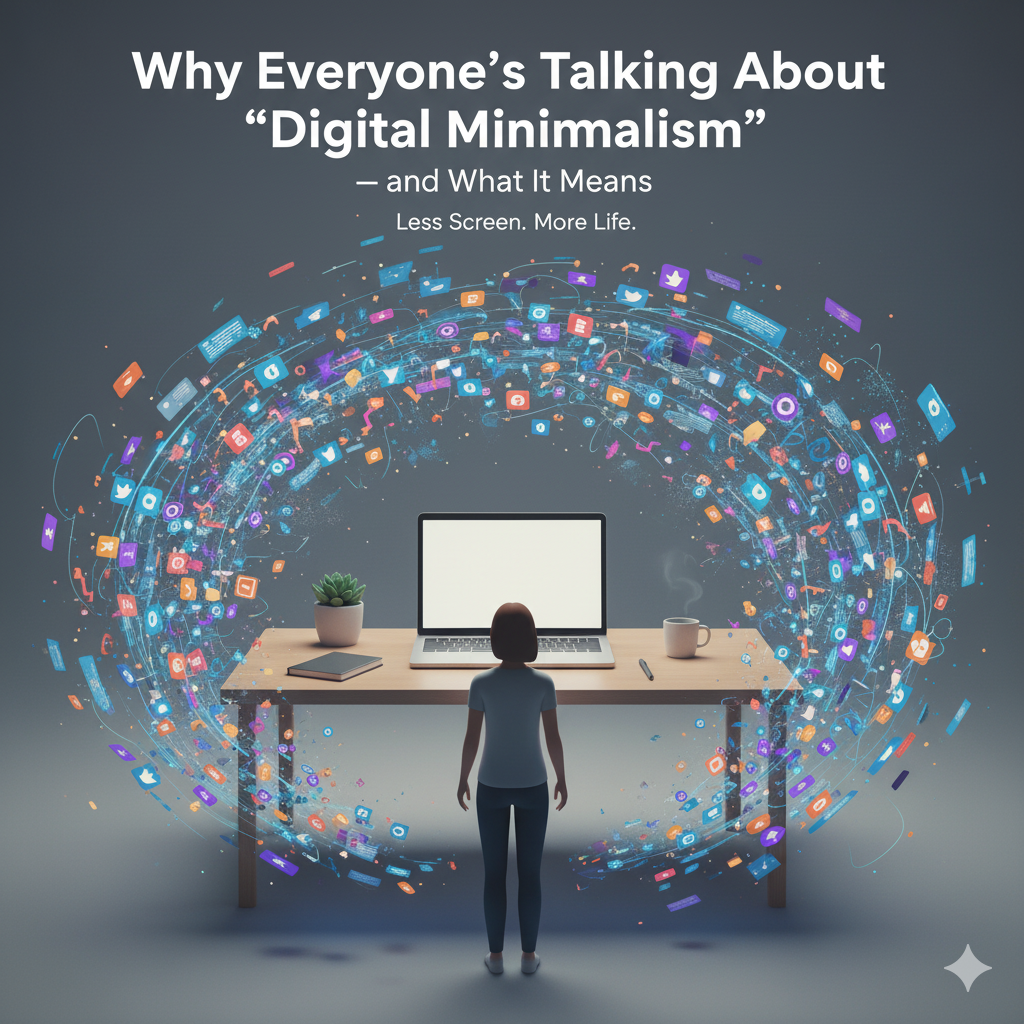
In a world where technology is omnipresent, constantly evolving, and continuously demanding our attention, the idea of “digital minimalism” is gaining traction. As we immerse ourselves in the digital world for both work and leisure, many are beginning to feel overwhelmed by the noise — social media, emails, endless notifications, and the general digital clutter. It’s not uncommon for individuals to feel like they’re constantly tethered to their devices, contributing to a feeling of burnout and disconnection.
That’s where digital minimalism comes in. This movement encourages people to intentionally focus on what truly adds value to their digital lives and eliminate the distractions that pull us away from meaningful activities. In this article, we will explore the concept of digital minimalism, why it’s become a hot topic, and how adopting this mindset can enhance your life in our increasingly digital world.
What is Digital Minimalism?
Digital minimalism is the intentional use of technology that focuses on maximizing value while reducing unnecessary digital clutter. It’s about creating a conscious relationship with the devices and platforms we interact with, ensuring they serve us in meaningful ways rather than merely filling time or creating distractions.
This concept draws inspiration from the minimalist lifestyle, which encourages the decluttering of physical possessions to lead a simpler, more intentional life. Similarly, digital minimalism is about curating your digital tools and spaces in a way that aligns with your values and goals, allowing you to focus on what truly matters.
The Core Principles of Digital Minimalism
Digital minimalism is based on several core principles that guide users toward a more intentional and balanced digital life. Here are the key tenets:
- Clarity of Purpose: Digital minimalism involves being clear about how and why you use technology. It’s not about completely abandoning digital tools but rather about ensuring that each tool serves a specific, useful purpose.
- Intentional Consumption: Instead of passively consuming digital content or scrolling endlessly, digital minimalists aim to engage with technology purposefully. Whether it’s checking emails, using social media, or watching videos, everything should serve a meaningful goal.
- Reducing Digital Clutter: The idea is to eliminate unnecessary apps, subscriptions, notifications, and other digital distractions that contribute to stress and cognitive overload. This includes decluttering your phone, inbox, and even your social media feeds.
- Quality Over Quantity: Instead of being constantly connected, digital minimalism promotes deep engagement with the digital spaces that align with your personal or professional goals. It’s about spending less time on technology but making the time you do spend more valuable.
- Mindful Digital Detox: Digital minimalists regularly disconnect from technology to recharge and regain a sense of balance. This could mean setting boundaries around screen time, scheduling tech-free days, or simply spending more time in the physical world.
Why Is Digital Minimalism Gaining Popularity?
The Rise of Digital Overload
In today’s hyper-connected world, technology has become deeply integrated into almost every aspect of our daily lives. From checking emails in the morning to spending hours on social media, it’s easy to get caught up in the digital whirlwind. According to recent studies, the average person spends over 6 hours per day in front of a screen. This constant engagement can lead to feelings of burnout, anxiety, and a lack of focus.
As the digital world continues to evolve, people are beginning to realize that constant connectivity can actually be detrimental to their well-being. Instead of enabling productivity and enjoyment, excessive digital consumption often leads to shallow interactions, information overload, and a lack of real-world connection.
The Quest for Simplicity and Balance
In response to these challenges, many individuals are seeking a simpler, more mindful way of living. Digital minimalism offers a solution by encouraging people to rethink their digital habits and regain control over their technology use. By limiting distractions, people can focus on the things that truly matter — whether that’s spending quality time with loved ones, pursuing hobbies, or engaging in more meaningful work.
The popularity of digital minimalism is also part of a broader trend toward simplicity and intentionality. Minimalist lifestyles have gained a significant following over the years, with people decluttering their homes, embracing more sustainable living practices, and prioritizing experiences over material possessions. Digital minimalism is simply an extension of this movement, applying the same principles to our relationship with technology.
The Impact of Digital Minimalism on Mental Health
Mental health is one of the biggest driving forces behind the digital minimalism movement. Research has shown that excessive social media use, constant notifications, and information overload can contribute to stress, anxiety, and depression. By adopting digital minimalism, people can take control of their digital environments and limit exposure to negative influences.
Moreover, studies suggest that digital detoxes — taking time away from screens — can significantly improve mental clarity, emotional well-being, and overall life satisfaction. Digital minimalism advocates for setting boundaries, reducing digital distractions, and fostering a healthier balance between online and offline life.
How to Implement Digital Minimalism in Your Life
Now that we understand what digital minimalism is and why it’s gaining popularity, the next question is: how do you implement it in your own life? Here are some actionable steps to help you get started with digital minimalism:
1. Audit Your Digital Life
The first step in embracing digital minimalism is to take a close look at your digital habits. Start by auditing your devices, apps, social media accounts, and online subscriptions. Ask yourself:
- Which apps do I use regularly, and how do they add value to my life?
- How many notifications do I receive daily, and how many of them are truly important?
- Which digital activities feel like a waste of time or contribute to stress?
- Are there any online spaces or relationships that drain my energy or attention?
By assessing your digital environment, you can begin to identify areas of clutter or unnecessary distractions.
2. Declutter Your Devices and Digital Spaces
Once you’ve completed your audit, it’s time to declutter your digital life. Start by:
- Unsubscribing from unnecessary emails and newsletters: If you’re overwhelmed by your inbox, unsubscribe from emails that no longer serve you.
- Deleting apps you rarely use: Keep only the apps that align with your goals or bring you joy. Remove anything that contributes to mindless scrolling or stress.
- Reducing notifications: Turn off non-essential notifications that distract you throughout the day. This can help you regain control over your time.
- Organizing your digital files: Clear out your desktop, organize your documents, and archive old files to maintain a clean and efficient workspace.
By eliminating unnecessary digital clutter, you can reduce distractions and make it easier to focus on the things that truly matter.
3. Set Clear Boundaries for Technology Use
One of the core principles of digital minimalism is setting boundaries around your technology use. Here are some strategies to help you establish these boundaries:
- Create tech-free zones: Set aside areas in your home where technology is not allowed, such as the bedroom or dining table. This can help you create space for deeper connections and more intentional activities.
- Establish screen time limits: Use apps like Screen Time (for iPhone) or Digital Wellbeing (for Android) to set daily limits on non-essential apps, helping you reduce time spent on social media or games.
- Schedule tech-free times: Designate certain hours of the day as tech-free time. For example, you could commit to not checking emails first thing in the morning or having a phone-free dinner with family or friends.
By setting clear boundaries, you can ensure that technology enhances rather than disrupts your life.
4. Focus on Quality Over Quantity in Your Digital Interactions
Rather than mindlessly scrolling through social media feeds or consuming endless amounts of content, digital minimalism encourages quality over quantity. Focus on:
- Engaging with meaningful content: Follow accounts or subscribe to platforms that align with your interests, values, and goals. Curate your social media and online spaces to ensure you’re consuming content that adds value to your life.
- Limiting social media use: If social media feels overwhelming or draining, consider limiting your use to specific times of the day or eliminating certain platforms entirely.
- Building deeper connections: Instead of focusing on the number of online connections, prioritize meaningful conversations and relationships with a smaller group of people.
By focusing on quality interactions, you can create a more fulfilling digital life.
5. Embrace Regular Digital Detoxes
Taking regular breaks from technology is crucial for maintaining mental clarity and focus. Consider:
- Scheduling weekly or monthly digital detoxes: Set aside specific days or weekends where you disconnect from all digital devices, allowing you to recharge and reconnect with the physical world.
- Spending more time outdoors: Nature has a calming effect on the mind and can help you reset after periods of excessive screen time. Take regular walks, hikes, or even just sit outside and enjoy the fresh air.
- Pursuing offline hobbies: Rediscover hobbies that don’t involve screens, such as reading, cooking, drawing, or exercising. These activities can help you reconnect with yourself and provide a healthy balance to your digital life.
Regular digital detoxes can help you feel more present, improve your focus, and reduce feelings of burnout.
The Future of Digital Minimalism
As technology continues to evolve, digital minimalism is likely to become an increasingly important practice. With advancements in artificial intelligence, virtual reality, and the internet of things (IoT), it’s easy to see how our digital environments could become even more complex and overwhelming. However, by adopting the principles of digital minimalism, individuals can regain control over their digital lives and create healthier, more intentional relationships with technology.
Final Thoughts
Digital minimalism is more than just a buzzword; it’s a powerful movement that encourages us to be more intentional with our technology use. In a world designed to distract us, embracing digital minimalism allows us to cut through the noise and focus on what truly matters — whether that’s spending quality time with loved ones, pursuing meaningful work, or simply enjoying the present moment.
By decluttering your digital life, setting boundaries, and embracing regular digital detoxes, you can regain control over your attention, boost productivity, and improve your overall well-being. In a world filled with constant distractions, digital minimalism offers a path toward a simpler, more intentional, and more fulfilling digital life.