Home Blog Page 3

Are We Living in the Golden Age of Creativity or Just Overstimulated?

In today’s world, it often feels like we’re living in the “Golden Age of Creativity.” Everywhere you look, there’s an explosion of innovative ideas, artistic expression, and new technological advancements. From groundbreaking films, music, and literature to the rise of content creators and influencers, the creative scene seems to be thriving. The internet, social media platforms, and easy access to various forms of technology have made it possible for anyone to share their ideas and talents with the world. Creativity seems limitless, and it’s tempting to label this time as the pinnacle of human creative achievement.

However, there’s a flip side to this narrative. As we become more connected and inundated with information, it’s easy to wonder whether we’re truly in a golden age of creativity or if we’ve simply become overstimulated. With the constant barrage of new content, notifications, and updates, it’s hard to escape the feeling that we may be experiencing an overload of creativity that leaves us feeling drained, distracted, and, in some cases, creatively paralyzed.

So, are we living in a true golden age of creativity, or are we just caught in the whirlpool of overstimulation? Let’s explore both sides of the argument and see if we can find an answer.

The Rise of the Creative Economy: Is This the Golden Age?

In recent years, we’ve witnessed an incredible rise in creative industries. The creative economy, which includes fields such as entertainment, media, fashion, design, and technology, has seen exponential growth. According to reports from global organizations such as the United Nations, creative industries contribute significantly to global economic development, job creation, and cultural exchange. There’s no denying that creativity is now a core part of the global economy.

Digital Platforms as Launchpads for Creativity

Platforms like YouTube, Instagram, TikTok, and Patreon have democratized creativity. Anyone with an idea or a passion can reach an audience, build a brand, and potentially turn their creative pursuits into a livelihood. Artists, musicians, writers, and designers no longer need to rely solely on traditional channels like publishing houses or record labels to gain recognition. These digital platforms have opened doors for millions of creatives worldwide, making it easier for them to showcase their work to a global audience.

Technological Advancements Fueling Innovation

Advances in technology, particularly artificial intelligence (AI), virtual reality (VR), and augmented reality (AR), have revolutionized creative fields. Artists now have tools at their disposal that were once unimaginable. AI-generated art, for example, challenges traditional notions of authorship and creativity, opening new frontiers for artistic expression. VR and AR are transforming the way we experience art, entertainment, and storytelling. Technology is acting as both a tool and a canvas, allowing creators to break free from the constraints of the physical world.

Collaborative Creativity Across Boundaries

One of the most significant features of the modern creative age is the emphasis on collaboration. Social media and digital communication tools allow creators from all over the world to work together, blending different cultures, techniques, and ideas. This global connectivity is fostering a level of creativity and innovation that wasn’t possible before. Think of how artists from various corners of the world are using the internet to merge traditional crafts with contemporary art forms, creating entirely new genres and experiences.

The Explosion of Content Creation

The sheer volume of creative content available today is staggering. Every day, millions of new videos, articles, images, podcasts, and other forms of media are uploaded online. This constant creation of new material has expanded the variety of content available to us, catering to every possible interest and niche. It’s a world where creativity is no longer confined to professionals; anyone with a camera, a pen, or a computer can create something and share it with others.

Increased Value of Creativity in Business

In today’s competitive landscape, creativity is increasingly seen as a key driver of business success. Companies across all industries are recognizing the value of creativity, not just in their marketing campaigns, but also in product development, branding, and customer experience. The rise of design thinking and innovation-driven business strategies highlights how creativity has become a central part of corporate strategies.

The Case for Overstimulation: Is Creativity Suffering?

While the above trends paint a picture of a flourishing creative world, there’s another perspective that suggests we might be overstimulated rather than truly inspired. With all the technological advancements, social media platforms, and the constant influx of information, it’s possible that we’re not living in the golden age of creativity, but rather in a time of creative overload. Here’s why:

Information Overload and Creative Burnout

The internet has given us access to a vast amount of information. While this is generally a good thing, it has also led to information overload. Every day, we’re bombarded with thousands of pieces of content, advertisements, and notifications, and it’s becoming harder to filter out what’s truly meaningful. This overwhelming amount of stimuli can lead to burnout, leaving us feeling creatively drained and disconnected. Instead of fostering inspiration, we’re left feeling numb or unable to focus, which stifles true creativity.

The Pressure to Create Constantly

With the rise of social media and content platforms, there’s an underlying pressure to constantly produce new material. Creators are often expected to churn out content at an alarming rate, leading to creative exhaustion. For many, creativity becomes a daily task rather than a passion. This need for constant content creation may lead to a decrease in quality as creators rush to meet deadlines or follow trends instead of nurturing their creative process.

The Illusion of Success and Instant Gratification

Social media platforms often promote the illusion of overnight success. Viral videos, trending content, and influencers who seem to rise to fame overnight may give the impression that creativity is easy and can be rewarded quickly. This can discourage creators from taking the time to develop their ideas or refine their craft, leading to a superficial understanding of creativity. The pressure to achieve instant success can detract from the deeper, more meaningful aspects of the creative journey.

Creativity for the Sake of Validation

In the age of likes, shares, and comments, creativity is often driven by the need for validation. Many creators are more concerned with getting attention and approval on social media than with expressing themselves authentically. This need for external validation can turn creativity into a transactional activity, where the value of the work is measured by how much it is liked or shared, rather than by its intrinsic quality or meaning.

Creativity in a World of Distractions

In the digital age, distractions are everywhere. With constant notifications from social media, messaging apps, and news updates, it’s hard to focus on anything for an extended period. This constant disruption can make it difficult to cultivate deep, uninterrupted creative thought. Instead of engaging in a focused, reflective creative process, many people find themselves jumping from one idea to the next, leading to shallow, fragmented work.

Finding Balance: Navigating the Overstimulation to Reclaim Creativity

While it’s easy to get lost in the overstimulation that comes with our digital age, it’s still possible to harness the power of technology and modern creativity without being overwhelmed. Here are a few ways we can strike a balance:

Embrace Mindful Consumption

One of the most important ways to combat overstimulation is by practicing mindful consumption of content. Instead of mindlessly scrolling through social media or binge-watching endless videos, try curating the content you consume. Follow creators who inspire you, and limit your exposure to content that feels draining or distracting. This helps preserve your mental energy and allows space for your own creativity to flourish.

Allow Time for Deep Work

In an era of constant distraction, it’s crucial to dedicate time to deep work — focused, uninterrupted time where you can immerse yourself in creative endeavors. By setting aside specific periods for focused work, you can nurture your creative process without succumbing to the distractions of the digital world.

Slow Down and Reflect

Creativity often thrives in quiet moments of reflection. In our fast-paced world, it’s important to slow down and give yourself space to think, daydream, and reflect. Whether it’s through journaling, meditating, or simply taking a walk, giving yourself permission to step away from the noise can help you reconnect with your creative instincts.

Create for the Sake of Creation, Not Validation

One of the most powerful ways to tap into your creativity is to create without the expectation of recognition or external validation. Rather than focusing on how your work will be received, focus on the process itself. Embrace creativity as a journey, not just a destination.

Conclusion: A Golden Age or Overstimulation?

So, are we living in the golden age of creativity, or are we simply overstimulated? The answer likely lies somewhere in between. While technology, digital platforms, and global connectivity have undoubtedly opened new doors for creative expression, the constant flood of information and the pressures of social media can certainly lead to overstimulation and burnout.

Ultimately, it’s up to each of us to navigate this creative age in a way that works for us. By embracing mindful consumption, carving out time for deep work, and focusing on authenticity over validation, we can ensure that creativity continues to thrive without being overshadowed by the distractions of modern life. In this way, we can truly live in a golden age of creativity—one that is sustainable, fulfilling, and deeply meaningful.
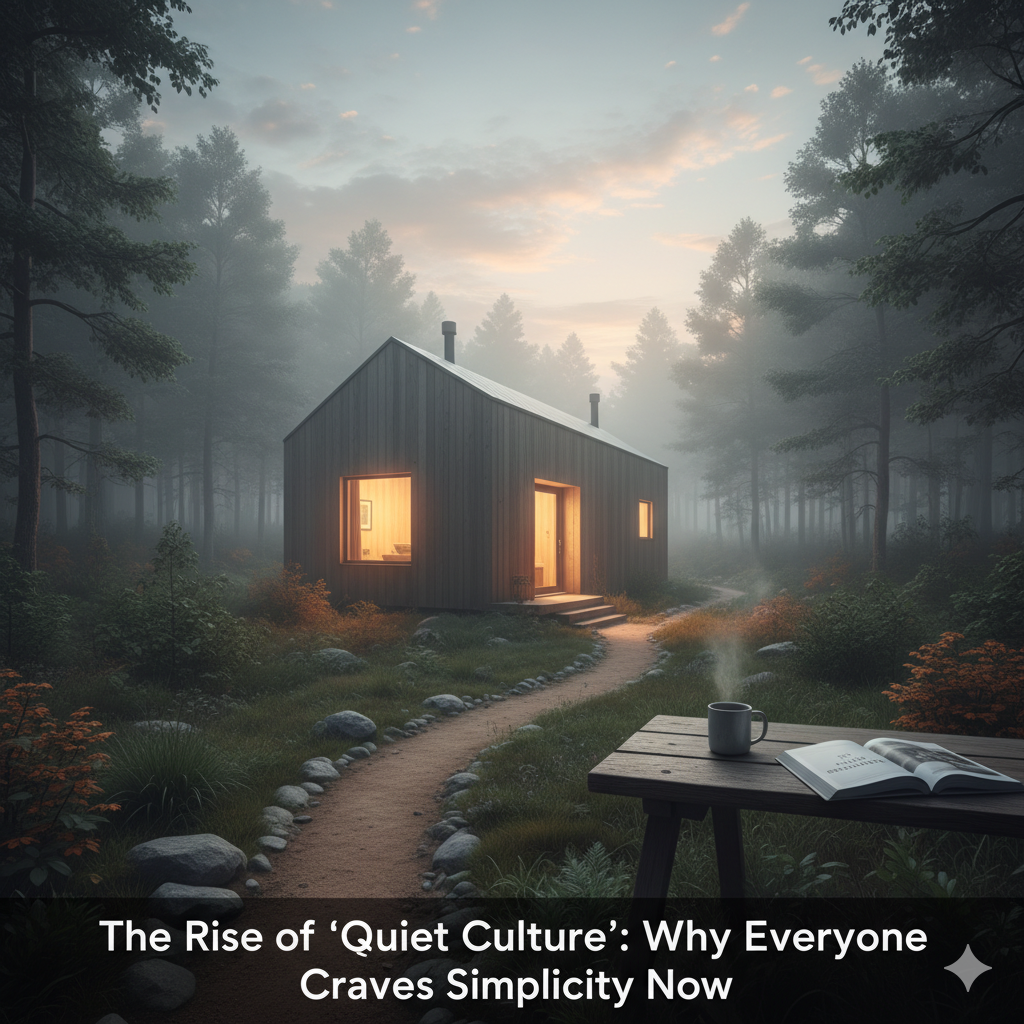
The Rise of “Quiet Culture”: Why Everyone Craves Simplicity Now

In a world overwhelmed by constant noise—be it the hum of notifications, the barrage of news, or the demands of daily life—many people are yearning for a break. Amidst the chaos, a new cultural shift has begun to emerge: the rise of “Quiet Culture.” It’s not just a fleeting trend but a movement toward simplicity, mindfulness, and peace in a society that often feels like it’s moving too fast.

The quest for simplicity isn’t about rejecting modernity or technology; it’s about reimagining how we live, work, and connect in ways that nurture our mental, emotional, and physical well-being. In this article, we’ll explore what Quiet Culture is, why it’s gaining traction, and how this craving for simplicity is reshaping our lives and the world around us.

What is Quiet Culture?

Quiet Culture refers to a shift away from the noise of modern life, whether it’s digital, social, or internal. It encompasses a broader cultural movement that prioritizes stillness, solitude, mindfulness, and simplicity. Rather than being surrounded by constant distractions and stimuli, individuals embracing Quiet Culture seek quieter, more intentional lives.

At its core, Quiet Culture is about finding peace in the midst of chaos, slowing down in a world that values speed, and rediscovering the joys of simplicity. It involves taking a step back from the frenetic pace of everyday life to focus on what truly matters—whether it’s family, personal growth, or simply the act of being present.

In essence, Quiet Culture is about creating space for meaningful reflection, relaxation, and personal connection. It’s a rejection of the idea that busyness equals success or happiness. Instead, it places value on quality of life, mindfulness, and genuine human interactions.

The Impact of Technology and Modern Life on Our Well-Being

Before we delve into why Quiet Culture is gaining so much attention, it’s important to understand the forces that have contributed to this craving for simplicity. The rapid rise of technology, especially smartphones and social media, has transformed the way we live, work, and interact. While these advancements have brought numerous benefits, they have also created an environment that’s constantly demanding our attention.

The Digital Overload

The digital age has made it easier than ever to stay connected, but it has also led to an overwhelming amount of information and distractions. According to studies, the average person spends several hours a day on their phone, constantly checking emails, scrolling through social media feeds, and absorbing endless news updates. This constant barrage of information has been linked to increased levels of stress, anxiety, and feelings of being overwhelmed.

The culture of “always being on” has made it harder to disconnect and relax. Social media, in particular, has created a sense of FOMO (fear of missing out), where individuals feel the need to constantly check in on what others are doing. This not only affects our emotional well-being but also impacts our ability to focus and be present in our own lives.

The Busyness Epidemic

Alongside the digital overload, society has embraced the idea of busyness as a badge of honor. From early morning meetings to late-night emails, it often feels like the more we accomplish, the more valuable we are. This culture of constant hustle can lead to burnout, mental exhaustion, and a lack of time for rest or reflection.

While working hard is important, the constant push for productivity often comes at the expense of personal well-being. People are increasingly realizing that the pursuit of success—if it’s not balanced with self-care and downtime—can lead to feelings of emptiness and dissatisfaction. Quiet Culture offers a counterpoint to this frantic pace, encouraging individuals to slow down and prioritize what truly matters in life.

Why Is Quiet Culture Gaining Popularity?

In recent years, there has been a noticeable shift toward simplicity and quietness, with more people seeking a sense of balance and peace in their lives. So, why is Quiet Culture gaining such widespread popularity now? Several factors are contributing to this growing movement.

1. The Search for Mental Health Balance

One of the most significant drivers behind the rise of Quiet Culture is the growing awareness of mental health and the importance of maintaining emotional well-being. As stress, anxiety, and depression rates continue to rise, many people are seeking ways to reduce the pressure and noise in their lives.

Mindfulness, meditation, and other practices that encourage slowing down and focusing on the present moment have gained widespread popularity. People are beginning to realize that in order to preserve their mental health, they need to disconnect from the overstimulation of modern life and create space for relaxation, reflection, and self-care.

2. The Rise of Minimalism

Minimalism is another key aspect of Quiet Culture. Over the last decade, minimalism has become a popular lifestyle choice for those seeking simplicity and contentment. By decluttering their physical spaces, people can create an environment that fosters peace and mindfulness. The act of getting rid of excess possessions and distractions allows for more intentional living, where each item or activity has a purpose and adds value to life.

Minimalism extends beyond material possessions; it also involves simplifying commitments, schedules, and relationships. The idea is to focus on what truly brings joy and fulfillment, and let go of the rest. As people adopt minimalist principles, they are naturally drawn to quieter, more meaningful lives.

3. The Digital Detox Trend

Another reason for the rise of Quiet Culture is the growing recognition of the need for digital detoxes. Many individuals are becoming more conscious of their screen time and the toll that excessive social media use and constant connectivity can take on their mental health. Digital detoxing has become a way for people to disconnect from their devices and reconnect with themselves and the world around them.

From social media breaks to entire weekends spent offline, people are finding that taking time away from their devices helps them feel more focused, grounded, and at peace. This desire to unplug and embrace the quiet is a key component of Quiet Culture.

4. The Slow Living Movement

The Slow Living movement is another trend closely tied to Quiet Culture. Slow living advocates for a more intentional, less hurried way of life. It encourages people to savor the present moment, enjoy simple pleasures, and reject the pressure to constantly do more or move faster. Rather than rushing through life, Slow Living encourages individuals to slow down and appreciate life’s small, quiet moments—whether it’s enjoying a meal without distractions or taking a leisurely walk in nature.

As people become more aware of the negative effects of a fast-paced, hyper-connected world, the idea of slowing down and living more mindfully is becoming increasingly attractive.

How to Embrace Quiet Culture in Your Own Life

If you’re feeling the pull toward Quiet Culture, there are simple, practical steps you can take to incorporate more peace and simplicity into your daily routine. Here are some tips on how to embrace the art of quiet living:

1. Practice Digital Detox

Start by carving out time each day to disconnect from your devices. Set specific times when you turn off your phone or computer, and make these times sacred for rest, reflection, or connecting with loved ones. You can also set boundaries around social media, limiting your usage to certain hours of the day or avoiding it altogether on weekends.

2. Declutter Your Physical Space

One of the easiest ways to introduce more quiet into your life is by decluttering your physical environment. A clean, organized space has been shown to reduce stress and promote relaxation. Take time to go through your belongings and get rid of items that no longer serve you. Focus on keeping only what brings you joy or adds value to your life. This practice aligns with the minimalist principles of Quiet Culture and helps create a more peaceful, intentional space.

3. Engage in Mindful Practices

Mindfulness is a powerful tool for embracing Quiet Culture. Whether through meditation, journaling, or simply paying attention to your breath, mindfulness helps you stay present and connected to the moment. Incorporating mindful practices into your daily routine can help you reduce stress, increase self-awareness, and foster a sense of calm.

4. Slow Down and Prioritize Self-Care

Take a step back from the rush of daily life and focus on self-care. This could mean taking time each day to relax, meditate, or do something that brings you joy. Consider adopting a slower pace in your daily routine by simplifying your schedule and reducing unnecessary commitments. Prioritize activities that nourish your body, mind, and soul.

5. Spend Time in Nature

Spending time outdoors is an excellent way to reconnect with the quiet. Whether it’s a walk in the park, hiking in the woods, or simply sitting outside to enjoy the fresh air, nature has a calming effect on the mind and body. Make it a habit to spend time in nature regularly, away from the distractions of modern life.

The Future of Quiet Culture

As the world continues to grow louder and more connected, it’s clear that the desire for simplicity, quiet, and mindfulness will only continue to grow. Quiet Culture offers a much-needed counterbalance to the constant hustle and noise that defines modern life. As more individuals embrace the art of doing less, they are discovering that doing nothing can be the key to living more fully.

Whether through digital detoxes, minimalism, or mindful living, Quiet Culture is not just a passing trend—it’s a movement toward reclaiming peace and purpose in an otherwise chaotic world. In a society that prizes busyness and productivity, the quest for stillness is a radical, but necessary, act of self-care and well-being.

In the end, the rise of Quiet Culture isn’t about rejecting modernity—it’s about finding balance. It’s about embracing the simplicity of life’s quiet moments and recognizing that in those moments, we often find the most profound sense of peace.

The Art of Doing Nothing: Finding Peace in a Busy World

In a world that constantly pushes us to be productive, busy, and goal-oriented, the idea of doing nothing might sound foreign or even uncomfortable. Our calendars are packed with meetings, to-do lists, and never-ending tasks. We’re constantly surrounded by noise, information, and distractions. As a result, it can be hard to find time for stillness, and even harder to embrace the concept of doing absolutely nothing. But what if we told you that doing nothing is not only okay, but it’s actually essential for your well-being? In this article, we’ll explore the art of doing nothing and why it’s crucial to finding peace in a chaotic world.

Why Is Doing Nothing So Hard?

Before we dive into the benefits and practices of doing nothing, let’s first acknowledge why it’s so difficult for many of us. In today’s fast-paced society, we’re often rewarded for being busy and productive. From school to work to social media, we’re constantly bombarded with the expectation to achieve, produce, and keep moving. The concept of being still or idle is sometimes seen as lazy or unproductive, which leads to guilt when we try to rest or take time for ourselves.

Additionally, many of us have become accustomed to being constantly “on.” Our devices keep us connected to work, friends, and family 24/7, leaving little room for true downtime. We’ve learned to fill every moment of our day, often at the expense of our mental and emotional health. This creates a cycle where doing nothing feels uncomfortable because we’ve been conditioned to believe that our worth is tied to how busy we are.

The Power of Stillness: Reconnecting with Yourself

In order to understand the importance of doing nothing, we first need to explore what it means to be still and why it’s so essential for our mental health. Being still doesn’t just mean physically sitting in silence. It’s about quieting your mind, slowing down your thoughts, and being present in the moment without the pressure of doing or achieving anything.

Embracing Mindfulness and Presence

When we engage in the art of doing nothing, we allow ourselves to experience true mindfulness. Mindfulness is the practice of being fully present and aware in the moment, without judgment or distraction. By embracing stillness, we can reconnect with ourselves and tune out the external noise that so often overwhelms us.

Doing nothing allows us to cultivate mindfulness, which has been shown to reduce stress, improve focus, and increase overall well-being. Instead of constantly thinking about what’s next on our to-do list or worrying about past mistakes, we can practice being in the moment, letting go of our need to be constantly “productive.”

Recharging and Restoring Energy

We live in a world where rest is often undervalued. Many of us view rest as something that comes only after we’ve worked hard enough or completed all our tasks. However, rest and relaxation are not just luxuries—they’re necessities for maintaining our physical and mental health. Doing nothing provides the space we need to recharge, reflect, and restore our energy.

Research shows that taking time to rest is crucial for reducing burnout, improving cognitive function, and supporting emotional well-being. By allowing ourselves to do nothing, we give our brains and bodies the opportunity to recover and regenerate, ultimately making us more effective, creative, and productive when we do return to our tasks.

The Benefits of Doing Nothing

Now that we understand the importance of stillness, let’s explore the many benefits of embracing the art of doing nothing.

1. Reduced Stress and Anxiety

One of the most immediate benefits of doing nothing is the reduction of stress and anxiety. When we slow down and allow ourselves to be still, we activate the body’s relaxation response, which helps lower levels of cortisol (the stress hormone) and promotes feelings of calm and well-being. In a world where stress is rampant, taking time to simply be still can help reset your nervous system and improve your overall mental health.

2. Increased Creativity

It might sound counterintuitive, but doing nothing can actually boost creativity. When we’re constantly engaged in tasks and problem-solving, our brains can become overloaded. By giving ourselves time to rest and recharge, we allow our minds to wander, which can lead to creative breakthroughs and new ideas. Many people find that their best ideas come when they’re not actively trying to solve a problem, but instead allowing their minds to relax and explore.

3. Improved Focus and Productivity

While it may seem like doing nothing would make us less productive, the opposite is actually true. When we take time for rest and stillness, we return to our tasks with greater focus and clarity. Continuous work without breaks leads to mental fatigue and diminished performance. By incorporating moments of stillness into our daily routine, we’re able to sustain our energy levels and maintain a higher level of productivity over the long term.

4. Better Emotional Health

Doing nothing gives us the space to check in with our emotions and reflect on our mental state. In the hustle of daily life, we often suppress or ignore our feelings, leading to emotional buildup and stress. Taking time to pause and simply exist allows us to process our emotions, gain clarity, and approach life with a more balanced mindset.

5. Deeper Connection with Yourself and Others

When we allow ourselves to slow down, we create space for deeper self-reflection and introspection. This helps us gain a better understanding of our needs, desires, and values. Additionally, when we practice stillness, we become more present with the people around us. In a world filled with distractions, the act of doing nothing allows us to truly connect with others on a deeper level, whether through meaningful conversations or shared moments of silence.

How to Practice the Art of Doing Nothing

Embracing the art of doing nothing doesn’t have to be difficult, but it does require a shift in mindset. Here are some practical ways you can incorporate stillness and rest into your daily life:

1. Start with Small Moments of Stillness

If the idea of doing nothing feels overwhelming, start small. Begin by setting aside just five or ten minutes each day to do absolutely nothing. Find a quiet spot, close your eyes, and focus on your breath. Let go of any thoughts or worries and simply be present in the moment. As you get more comfortable with this practice, you can gradually increase the amount of time you spend in stillness.

2. Disconnect from Technology

One of the biggest barriers to stillness is the constant presence of technology in our lives. Our phones, computers, and social media accounts keep us constantly distracted and connected to the outside world. To truly embrace the art of doing nothing, it’s important to disconnect from technology and create moments of peace without the constant ping of notifications.

Set aside specific times during the day when you turn off your devices and enjoy uninterrupted quiet. This could be during your morning coffee, a walk in nature, or before bed. Use this time to simply relax, reflect, or daydream without the pressure of being “on.”

3. Practice Mindful Breathing

Mindful breathing is a simple yet powerful tool to help you embrace stillness. By focusing on your breath, you can ground yourself in the present moment and calm your mind. Try taking a few deep breaths, inhaling slowly through your nose and exhaling through your mouth. This practice can help you feel more centered and relaxed, especially during moments of stress or anxiety.

4. Engage in Nature

Spending time in nature is one of the most effective ways to practice stillness. Whether it’s a walk in the park, a hike in the mountains, or simply sitting outside and soaking in the sights and sounds, nature has a calming effect on the mind and body. Take time to immerse yourself in the natural world and allow yourself to experience peace without any distractions.

5. Embrace the Art of Napping

Napping is often seen as a luxury or a sign of laziness, but it can be a powerful tool for rest and rejuvenation. Short naps (around 20 minutes) can help recharge your energy, improve focus, and boost your mood. Incorporating naps into your daily routine can give you the rest you need to stay productive without feeling guilty.

Finding Balance: Doing Nothing Without Feeling Guilty

One of the biggest challenges of doing nothing is the guilt that often accompanies it. We’ve been conditioned to believe that rest is something we earn only after we’ve worked hard enough. But the truth is, rest is essential for our well-being, and doing nothing isn’t a sign of laziness—it’s an investment in our physical, emotional, and mental health.

To find balance, it’s important to reframe how you think about doing nothing. Instead of viewing it as wasted time, see it as an opportunity for restoration and self-care. Remember that you deserve rest just as much as you deserve productivity. In fact, doing nothing can make you more productive in the long run by preventing burnout and enhancing your creativity and focus.

Conclusion: Embracing the Art of Doing Nothing

In a world that values constant motion and productivity, the art of doing nothing is more important than ever. By slowing down, embracing stillness, and giving ourselves permission to rest, we can improve our mental health, boost our creativity, and foster deeper connections with ourselves and others. The key is to break free from the guilt and pressure associated with idle time and recognize that doing nothing is a powerful practice that can help us live more peaceful, balanced lives.

So, the next time you feel the urge to keep busy or fill every moment of your day, remember that it’s okay to pause. It’s okay to do nothing. In fact, it might just be the most productive thing you can do for your well-being.

How I Built a Morning Routine That Finally Stuck

Building a consistent morning routine can feel like an elusive goal. You know that starting your day with intention could transform your productivity, mood, and even your health, yet, time and time again, you find yourself stumbling through your mornings. Maybe you hit snooze one too many times, skip breakfast, or rush to start the day feeling stressed and disorganized. If you’ve tried to build a morning routine in the past, only to see it fizzle out, you’re not alone.

I, too, struggled for years to create a morning routine that would stick. It wasn’t until I made some crucial changes in my approach that I finally found a rhythm that worked for me. This article will walk you through my journey of building a morning routine, the mistakes I made along the way, and the key strategies I used to make my mornings work for me. Whether you’re a seasoned morning person or you’re just starting to experiment with morning habits, I hope my story can offer some practical insight that you can apply to your own routine.

The Initial Struggle: Why My Morning Routines Never Lasted

Before I stumbled upon a routine that actually stuck, I went through my fair share of failed attempts. I’d read articles about successful people waking up at 5 a.m., meditating for an hour, working out, and writing in journals. Inspired by these ideas, I’d set a goal to wake up earlier, fill my morning with productive tasks, and try to become the person who was “on top of everything” by 9 a.m.

Sounds great, right? In theory, it was. In practice? Not so much.

The first issue I ran into was the pressure I put on myself to create the “perfect” routine. I tried to do it all—waking up early, exercising, journaling, eating a healthy breakfast, reading, and setting goals for the day—all before 8 a.m. This approach felt exhausting and overwhelming. I would push myself to follow every piece of advice I’d read online, only to find myself abandoning the routine within a few days.

I quickly realized that I was setting myself up for failure by trying to do too much. I was forcing habits that didn’t align with my natural rhythm or lifestyle. The key takeaway from this initial phase was that, instead of adding pressure, I needed to build a routine that fit into my life and brought me joy, not stress.

The Turning Point: Redefining My Approach

After several failed attempts, I decided to rethink my approach. I stopped trying to emulate someone else’s routine and focused on what I needed to feel energized, grounded, and productive each morning. This was the turning point where I realized that creating a successful morning routine isn’t about checking off tasks from a list—it’s about creating a ritual that aligns with your unique needs and lifestyle.

I took a step back and started by evaluating my current habits. What worked? What didn’t? What felt draining or energizing? It was important for me to be honest with myself about my motivations, my goals, and my energy levels in the morning. The goal wasn’t to fit into someone else’s blueprint of success—it was to design a morning routine that would set me up for a day I could actually enjoy.

Key Principles That Helped Me Build a Sustainable Morning Routine

From that point, I adopted a more personalized and thoughtful approach to my morning routine. Here are the key principles that helped me build a morning ritual that actually stuck:

1. Start Small and Gradually Build Up

One of my biggest mistakes in the past was trying to change too much at once. I would jump into a new routine with all the enthusiasm of someone starting a fitness program but quickly burn out because I didn’t give myself enough time to adjust.

This time, I started small. I didn’t force myself to do a 60-minute workout or spend an hour meditating. Instead, I began with just one simple habit—a 10-minute morning stretch. This small commitment felt manageable and allowed me to ease into the idea of a morning routine without feeling overwhelmed.

Starting small also meant I could gradually build up to longer, more involved activities. I eventually added a short meditation session, followed by reading for 15 minutes, and then journaling. Over time, I incorporated exercise, but it wasn’t all happening in the first week. I gave myself permission to start at my own pace and build the routine step by step.

2. Make It Enjoyable, Not a Chore

When I first tried to build a morning routine, I made the mistake of thinking that it had to be full of productivity-boosting habits. I added things that seemed beneficial—like writing out my goals, tracking my habits, or doing a full workout—but these tasks felt more like chores than things I enjoyed. And guess what? I stopped doing them after a few days.

This time, I focused on making my morning routine enjoyable. Instead of forcing myself to do things that didn’t feel natural to me, I incorporated activities that I genuinely looked forward to. I began my day with a warm cup of coffee, enjoyed a leisurely breakfast, and spent a few minutes journaling about what I was grateful for.

For me, the key to sticking with a morning routine was making it something I enjoyed, not something I dreaded. I didn’t want my mornings to feel like a list of tasks to check off—I wanted them to be a time of self-care and mindfulness.

3. Listen to Your Body and Natural Rhythms

Another mistake I made in the past was trying to follow a routine based on what I thought was “ideal,” rather than listening to my body’s natural rhythms. I forced myself to wake up at 5 a.m. because that’s what successful people did, but it wasn’t sustainable for me. I’m naturally a night owl, and waking up that early just left me feeling tired and cranky.

This time, I paid attention to my body’s cues. I didn’t try to force myself to wake up at 5 a.m. if I wasn’t ready for it. Instead, I started waking up around 7 a.m. and gradually adjusted the time as I became more accustomed to a morning routine. I didn’t stress about a specific “ideal” wake-up time—I just focused on waking up at a time that allowed me to feel rested and energized.

4. Consistency Over Perfection

While I used to strive for perfection—believing that my routine had to be flawless every day—I soon realized that consistency was more important than perfection. Missing one day wasn’t a failure—it was simply part of the process.

I didn’t need to be rigid with my routine. If I woke up late or wasn’t feeling up to a full workout, I didn’t beat myself up. Instead, I focused on showing up for the routine, even if it meant doing a shorter meditation or a gentler stretch. Over time, the consistency of showing up for myself was more rewarding than trying to do everything “perfectly.”

5. Build in Flexibility

While consistency is important, I also learned that flexibility is crucial for long-term success. Life happens—sometimes you oversleep, sometimes you’re traveling, and sometimes you just need a morning to yourself. A rigid routine leaves no room for these moments, which can lead to feelings of guilt or frustration.

Now, my morning routine is flexible. On days when I need extra sleep, I allow myself to skip a habit or two. I also made it a point to adjust my routine when I travel or during particularly busy weeks. The goal is to maintain the essence of the routine—whether that’s a moment of mindfulness, stretching, or a hot cup of coffee—rather than adhering strictly to a set of rules.

The Components of My Morning Routine

After months of trial and error, I’ve developed a morning routine that feels both energizing and sustainable. It’s not too complicated, and it doesn’t take up hours of my time. Here’s a breakdown of the key components of my morning routine:

1. Hydration and Coffee

The first thing I do when I wake up is drink a glass of water to rehydrate my body. I follow that with a cup of coffee (or tea), something I’ve learned to savor slowly while enjoying a few quiet moments in the morning.

2. Stretching or Light Exercise

Next, I spend 10-15 minutes stretching or doing light exercises. This helps me wake up my body, get the blood flowing, and reduce any stiffness from sleeping. It’s also a great way to set a positive tone for the day, as I feel more grounded and energized.

3. Journaling or Gratitude Practice

Journaling is a key part of my routine. I spend a few minutes reflecting on my intentions for the day or writing down what I’m grateful for. This helps me start the day with a positive mindset and clarity about what I want to accomplish.

4. Mindfulness or Meditation

I then take a few minutes for mindfulness or a brief meditation session. This helps calm my mind and center my thoughts before diving into the busyness of the day. Even a five-minute meditation session can make a big difference in how I feel.

5. Healthy Breakfast

Finally, I enjoy a healthy breakfast, which is something I look forward to each morning. I’ve found that starting the day with a balanced meal helps me feel energized and ready to tackle whatever comes my way.


Conclusion: The Key to a Sticking Morning Routine

Building a morning routine that works for me took time, patience, and a willingness to experiment. The key takeaway from my journey is that a successful morning routine doesn’t have to be complicated or rigid—it simply needs to align with your personal needs, goals, and lifestyle. By starting small, making it enjoyable, and being flexible, I was able to create a morning routine that I truly look forward to every day.

If you’re looking to build a morning routine that sticks, start by experimenting with different habits and pay attention to what feels right for you. Focus on consistency over perfection, and remember that your routine should be a source of energy, not stress. The more you tailor your mornings to what works for you, the more likely it is that you’ll stick with it—and, ultimately, feel more productive, focused, and fulfilled throughout your day.

Minimalism Isn’t About Owning Less — It’s About Living More

In a world that constantly pushes consumerism, clutter, and the pursuit of material wealth, minimalism has emerged as a refreshing counter-narrative. When many people think of minimalism, they picture empty rooms, sparse furniture, and a wardrobe consisting of only a handful of items. However, minimalism isn’t just about owning less—it’s about living more. It’s about creating space, not just in our homes, but in our minds and lives, so we can focus on what truly matters. In this article, we’ll explore the deeper essence of minimalism, why it’s more than just a trend, and how it can lead to a more fulfilling and intentional life.

The Core of Minimalism: Simplicity and Intentionality

At its core, minimalism is not about deprivation or sacrifice. It’s about simplicity and intentionality. It’s about stripping away the excess—whether physical, mental, or emotional—to create room for what truly enhances our well-being. Minimalism is a mindset shift. Instead of accumulating more things in pursuit of happiness, it challenges us to focus on what brings us joy, peace, and purpose.

A Shift in Perspective

Minimalism isn’t about giving up everything you own or adhering to rigid rules of possession. It’s about shifting your perspective from “more is better” to “less is more.” By reducing distractions, we free up time and energy to focus on the activities, people, and passions that add true value to our lives.

Many people equate happiness with owning more stuff—whether it’s the latest gadgets, a larger house, or an overflowing wardrobe. However, research shows that material possessions often bring temporary satisfaction at best. After the initial excitement fades, people often find themselves yearning for more, creating an endless cycle of consumption. Minimalism offers a way out of this cycle by encouraging us to reevaluate our relationship with things.

Living with Purpose and Intent

Minimalism isn’t about depriving yourself or living with bare essentials out of obligation. It’s about choosing what to keep in your life based on its significance and alignment with your values. It’s a conscious decision to surround yourself with only the things that bring you joy, usefulness, or meaning.

By intentionally simplifying your life, you create space to focus on personal growth, relationships, and experiences. This doesn’t mean that material possessions are inherently bad; it simply means that you need to prioritize quality over quantity.

The Mental Benefits of Minimalism

While minimalism is often associated with decluttering our physical spaces, its impact reaches far beyond that. One of the most significant benefits of minimalism is the way it can improve our mental and emotional well-being.

Reducing Mental Clutter

Just as a cluttered home can feel overwhelming, so can a cluttered mind. When our mental space is filled with too many obligations, distractions, and worries, it’s difficult to focus or feel at peace. Minimalism helps clear out that mental clutter by encouraging us to simplify our thoughts, commitments, and priorities.

The less we try to juggle in our minds, the more room we have to be present in the moment and engaged with our surroundings. By adopting a minimalist mindset, we can reduce mental overwhelm, increase clarity, and make space for creativity, relaxation, and focus.

Enhancing Decision-Making

A cluttered life often results in decision fatigue. The more decisions we have to make, the harder it becomes to choose wisely. Minimalism helps alleviate decision fatigue by reducing the number of choices we need to make on a daily basis. When our physical space is simplified, it’s easier to make decisions about what to wear, what to eat, and how to spend our time.

By focusing on what truly matters, we can make decisions that align with our goals, values, and long-term vision. This can lead to greater satisfaction and a sense of control over our lives.

Fostering Greater Mindfulness

Minimalism encourages us to slow down and become more mindful of the present moment. In a world that often celebrates speed and multitasking, minimalism teaches us to focus on one task at a time, to savor experiences, and to be fully present with the people around us.

Mindfulness, a practice often linked to minimalism, has been shown to reduce stress, increase happiness, and improve overall well-being. By embracing mindfulness, we become more aware of our thoughts, feelings, and actions, leading to a deeper connection with ourselves and the world around us.

Minimalism and the Environment

Another key aspect of minimalism is its potential for positive environmental impact. The more we consume, the more waste we create, and the more resources we deplete. By choosing to live with less, we not only improve our personal well-being but also contribute to a more sustainable and eco-friendly lifestyle.

Sustainable Consumption

Minimalism encourages us to purchase less, buy with intention, and prioritize quality over quantity. Instead of constantly acquiring new items, minimalists often focus on owning durable goods that serve a specific purpose. This reduces waste, supports ethical consumption, and helps lower our overall carbon footprint.

Minimalism also promotes the idea of buying secondhand, repurposing items, and supporting local artisans who create sustainable, long-lasting products. By making mindful choices, minimalists reduce their reliance on fast fashion, mass production, and disposable goods, all of which have detrimental effects on the environment.

Creating a Greener World

When we shift from a mindset of excess to one of simplicity, we begin to consider the environmental impact of our actions. For instance, we may choose to buy fewer single-use plastics, reduce our energy consumption, or adopt a more plant-based diet. Minimalism aligns with the growing movement toward sustainability, helping individuals make eco-friendly choices that benefit both the planet and their personal well-being.

Minimalism in Practice: How to Live More

So, how can you begin embracing minimalism and start living more? The first step is to recognize that minimalism is a personal journey. There’s no one-size-fits-all approach, and the goal is not to strip your life of all belongings, but to simplify and create space for what truly matters to you.

Here are some practical tips for incorporating minimalism into your daily life:

1. Declutter Your Physical Space

Start by simplifying your environment. Begin with one area of your home—perhaps a closet, a desk, or your kitchen—and eliminate items that no longer serve you. Ask yourself questions like: Does this bring me joy? Is it useful? Do I really need it?

The act of decluttering helps you recognize the things that are truly essential and makes it easier to let go of the things that add unnecessary stress or distraction to your life. As you declutter, you’ll also create a cleaner, more organized space that promotes focus and relaxation.

2. Prioritize Experiences Over Things

Instead of spending money on material possessions, consider investing in experiences that bring you joy and enrich your life. Traveling, attending concerts, spending time with loved ones, and pursuing hobbies are all meaningful ways to live more fully.

By prioritizing experiences, you cultivate memories that last longer than any physical object. These experiences also help you connect with others, broaden your perspective, and create a sense of fulfillment that material possessions cannot provide.

3. Create Time for What Matters

Minimalism isn’t just about decluttering your home; it’s about creating space in your life for the things that truly matter. This might mean saying no to commitments that drain your energy, cutting out time-wasting activities, or simplifying your work schedule.

By freeing up time, you give yourself the opportunity to focus on your health, relationships, and personal growth. Spend more time doing things that nourish your mind, body, and soul—whether it’s exercising, reading, or practicing mindfulness.

4. Mindful Consumption

Before making a purchase, ask yourself whether it aligns with your values and contributes to your well-being. Minimalists often advocate for buying fewer, higher-quality items that will last longer and serve a specific purpose.

By adopting mindful consumption, you reduce waste, save money, and contribute to a more sustainable world. It also helps you avoid the trap of accumulating things simply for the sake of having more.

5. Embrace Digital Minimalism

In addition to physical clutter, digital clutter can also have a significant impact on our mental well-being. Social media, email overload, and constant notifications can all contribute to stress and distraction. Digital minimalism encourages you to simplify your online life by reducing screen time, unfollowing accounts that don’t bring value, and prioritizing meaningful digital interactions.

By being intentional with your digital presence, you can reclaim your time and attention, allowing you to focus on more important aspects of your life.

Conclusion: Living More, Not Less

Minimalism isn’t about depriving yourself or adhering to a rigid set of rules. It’s about living with purpose, intention, and mindfulness. By simplifying your life—whether it’s through decluttering your home, prioritizing experiences, or embracing sustainability—you create more space for the things that truly matter. Instead of focusing on what you can give up, minimalism encourages you to focus on what you can gain: greater happiness, freedom, creativity, and fulfillment.

By adopting a minimalist mindset, you can cultivate a life that’s rich in experiences, relationships, and personal growth—living more, not less.

Why Slowing Down Can Actually Make You More Productive

In today’s fast-paced world, we are constantly urged to hustle harder, work longer, and push ourselves to the limit. The modern workplace often emphasizes speed and efficiency, equating productivity with how much we can accomplish in a short amount of time. But is this really the most effective approach? What if slowing down could actually make you more productive? It may sound counterintuitive, but research and real-life experiences suggest that adopting a slower, more deliberate pace can boost your efficiency, creativity, and overall well-being. In this article, we’ll explore why slowing down can increase productivity and offer practical strategies to help you embrace a slower, more mindful approach to work and life.

The Myth of “Productivity at All Costs”

The term “productivity” has become synonymous with speed in recent years. We are constantly surrounded by the message that the faster we work, the better we perform. However, this fast-paced mentality can lead to burnout, exhaustion, and ultimately, a decline in the quality of our work. The pressure to be constantly “on” can lead to mistakes, decreased creativity, and a sense of overwhelm.

It’s crucial to understand that productivity isn’t just about doing more; it’s about doing the right things efficiently and with focus. Slowing down doesn’t mean being lazy or unmotivated. Rather, it’s about being intentional, thoughtful, and mindful of the tasks at hand. In fact, slowing down can help you do more with less effort, freeing up mental and physical energy to be used on more important things.

1. The Science Behind Slowing Down and Productivity

There’s plenty of research to suggest that slowing down can improve our cognitive function and productivity. When we try to rush through tasks, our brain operates in a high-stress mode. Cortisol, the stress hormone, increases, which can impair our memory, focus, and decision-making skills. In contrast, when we slow down, we allow ourselves to be in a more relaxed state, activating the parasympathetic nervous system, which helps to lower stress levels, increase focus, and improve cognitive function.

Benefits of Slowing Down on the Brain:

  • Improved Focus: The brain has a limited capacity to focus at any given time. By slowing down, you give yourself the mental space to concentrate better on one task at a time, improving your efficiency.
  • Better Decision Making: When we rush, we often make decisions based on impulse rather than thoughtful consideration. Taking time to think things through results in smarter, more strategic decisions.
  • Creativity Boost: Creativity thrives in a relaxed, open state. The more rushed and stressed you are, the less likely you are to tap into creative solutions. Slowing down allows your mind to wander, which often leads to innovative ideas.
  • Reduced Burnout: Working at a breakneck pace without time for rest or relaxation leads to burnout. By slowing down, you give your brain time to recover, which ultimately boosts long-term productivity.

2. How Slowing Down Enhances Quality of Work

When we focus on speed, we often sacrifice quality. Whether it’s rushing through emails, completing a project with minimal effort, or multitasking during meetings, working quickly can lead to mistakes and subpar outcomes. In contrast, slowing down allows you to give each task the attention it deserves, leading to better results.

Key Areas Where Quality Improves by Slowing Down:

  • Attention to Detail: When you take your time, you’re more likely to catch small mistakes and ensure that everything is up to your standards.
  • Stronger Relationships: In professional settings, building strong relationships with coworkers, clients, and supervisors requires thoughtful communication and active listening. Slowing down allows you to be more present and engaged in these interactions.
  • Deeper Understanding: Rushing through tasks or meetings means you’re less likely to fully comprehend the topic at hand. Slowing down allows you to absorb information, process it thoroughly, and apply it more effectively.

By embracing a slower pace, you set yourself up for success in both the short and long term. A slower approach allows you to build a reputation for quality, consistency, and reliability.

3. Slowing Down Reduces Stress and Anxiety

Stress and anxiety are significant productivity killers. When you’re constantly rushing from one task to another, the mental and physical toll can be overwhelming. High levels of stress can lead to burnout, impaired cognitive function, and poor decision-making. By intentionally slowing down, you can reduce these negative effects and cultivate a more peaceful, productive mindset.

How Slowing Down Relieves Stress:

  • Mindful Awareness: Slowing down allows you to become more aware of your thoughts, feelings, and environment. By practicing mindfulness, you can manage stress more effectively and approach challenges with a calm, focused mind.
  • Breathing and Relaxation: When we’re stressed, we tend to breathe shallowly, which increases anxiety. Taking time to slow down and focus on deep breathing can activate the body’s relaxation response, helping to reduce stress levels and improve focus.
  • Improved Work-Life Balance: When you slow down at work, you’re less likely to overburden yourself with tasks that lead to burnout. This allows you to maintain a healthier work-life balance, ensuring that you have time to relax, recharge, and enjoy personal time.

Reducing stress and anxiety by slowing down is an essential part of being productive in the long term. While working faster may seem like the best option, it often leads to greater burnout and less overall productivity.

4. The Power of Single-Tasking Over Multitasking

Multitasking has long been hailed as a skill, but research suggests it’s actually a productivity myth. Juggling multiple tasks at once can lead to a loss of focus, increased error rates, and mental fatigue. When we slow down and focus on one task at a time, we can complete it with greater efficiency and accuracy.

Why Single-Tasking Is More Productive Than Multitasking:

  • Increased Focus: When we focus on one task, we give it our full attention, leading to faster completion and higher-quality results.
  • Less Mental Fatigue: Switching between tasks requires the brain to constantly adjust and refocus. This mental shifting can drain energy and reduce productivity. Focusing on one thing at a time prevents this mental fatigue.
  • Better Time Management: Single-tasking allows you to manage your time more effectively by allocating specific time slots to each task, rather than trying to do everything at once.

If you want to increase productivity, embrace single-tasking and give yourself permission to slow down, complete one task thoroughly, and then move on to the next.

5. Slowing Down Helps You Prioritize Better

When you’re constantly rushing, it can be difficult to discern what truly matters. Slowing down gives you the mental space to assess your priorities and focus on what is most important. This leads to better decision-making and ensures that you’re spending your time and energy on tasks that align with your long-term goals.

How Slowing Down Improves Prioritization:

  • Clearer Perspective: When you slow down, you can take a step back and evaluate the urgency and importance of tasks more effectively.
  • Better Time Allocation: Slowing down helps you allocate time more intentionally, ensuring that you’re working on the most impactful tasks and not getting sidetracked by distractions.
  • Increased Motivation: When you focus on what’s truly important to you, you feel more motivated to take action and make progress toward your goals.

By slowing down and taking time to prioritize, you can work smarter, not harder, and ensure that you’re making the most of your time.

6. How to Embrace Slowing Down in Your Daily Routine

If you’re ready to experience the benefits of slowing down, here are some practical strategies you can implement in your daily routine:

1. Schedule Breaks:

Don’t wait until you’re feeling burned out to take a break. Schedule regular intervals of downtime throughout your day to rest and recharge.

2. Set Realistic Expectations:

Be mindful of how much you’re taking on. Set realistic goals for the day and resist the temptation to overcommit.

3. Practice Mindfulness:

Incorporate mindfulness practices into your daily routine, whether it’s through meditation, mindful walking, or simply paying attention to your breath throughout the day.

4. Limit Distractions:

Eliminate distractions that cause you to rush through tasks. Turn off notifications, set aside specific times to check emails, and create a focused work environment.

5. Cultivate Patience:

Practice patience in your daily interactions and tasks. Whether it’s waiting for something or taking time to respond thoughtfully, patience can help you slow down and improve your overall productivity.


Conclusion

In a world that glorifies hustle and speed, slowing down might seem counterproductive. However, when you take the time to slow down, you open the door to greater focus, creativity, and quality. By reducing stress, single-tasking, and prioritizing what truly matters, you can boost your productivity and overall satisfaction in life. So, the next time you feel the urge to rush through your day, remember that sometimes, slowing down is the smartest and most effective way to move forward.

10 Small Habits That Quietly Transform Your Daily Routine

In our fast-paced world, it’s easy to get caught up in the hustle and bustle, thinking we need drastic changes to improve our lives. However, the secret to lasting success and well-being often lies in small, consistent actions that compound over time. These tiny habits, when practiced regularly, can make a huge impact on your physical, mental, and emotional health. In this article, we’ll explore 10 small habits that quietly transform your daily routine, allowing you to live a more fulfilling, productive, and balanced life.

1. Start Your Day with Gratitude

It may sound simple, but starting your day with gratitude can set a positive tone for everything that follows. Taking a moment each morning to think about the things you’re grateful for—whether it’s your health, your family, or even a warm cup of coffee—helps shift your mindset to a more positive, appreciative place. Research shows that practicing gratitude can improve mental health, increase happiness, and even reduce stress levels.

How to do it:

Take a few minutes when you wake up to write down three things you’re grateful for in a journal. They don’t have to be big; even something as simple as a good night’s sleep or a beautiful sunrise can make a difference.

2. Drink Water First Thing

Hydration is key to maintaining energy levels and improving overall health. After a long night’s sleep, your body is dehydrated, and drinking a glass of water first thing in the morning can help you feel more alert, aid digestion, and kick-start your metabolism.

Why it matters:

Water flushes out toxins, supports brain function, and even boosts your skin’s health. So, instead of reaching for coffee or juice, hydrate your body with water first thing. You’ll notice a difference in how you feel throughout the day.

How to do it:

Keep a glass or bottle of water by your bedside or in your kitchen as soon as you wake up. Aim for at least 8 ounces to start your day on the right foot.

3. Practice Mindful Breathing

Mindful breathing is a simple yet powerful practice that can significantly improve your mood and reduce stress. It involves focusing on your breath and being present in the moment. By taking slow, deep breaths, you activate your parasympathetic nervous system, which helps calm the body and mind.

Why it matters:

When you’re stressed, your breathing becomes shallow and rapid. By practicing mindful breathing, you send signals to your brain that you’re safe, promoting relaxation and clarity.

How to do it:

Take a few minutes throughout your day to sit quietly, close your eyes, and focus on your breathing. Inhale deeply through your nose for four counts, hold for four counts, and exhale through your mouth for six counts. Repeat this process for 5 to 10 minutes.

4. Create a Morning Routine

Starting your day with a set routine can create structure and help you begin the day with purpose. A consistent morning routine reduces decision fatigue, lowers stress, and allows you to feel in control. Whether it’s stretching, meditation, or reading a book, having a routine sets a positive tone for the rest of the day.

Why it matters:

A predictable start to your day helps your brain wake up and prepares you to handle tasks more efficiently. It also eliminates the chaos of rushing around in the morning.

How to do it:

Create a morning routine that suits your lifestyle. Include habits that focus on both mental and physical well-being, such as stretching, writing, or listening to a podcast. Stick to your routine as much as possible to build consistency.

5. Declutter Your Space

A cluttered space can create a cluttered mind. Over time, accumulating items in your living or working environment can lead to feelings of stress, anxiety, and even a decrease in productivity. By taking small steps to declutter your space daily, you can create a peaceful environment that promotes mental clarity.

Why it matters:

Living in a clean and organized environment has been shown to reduce stress, improve focus, and boost overall well-being. Decluttering allows you to focus on what matters without distractions.

How to do it:

Dedicate a few minutes each day to tidying up one area of your home or workspace. Start small—perhaps with your desk or a corner of your living room—and gradually work your way through the rest of your space. Consider adopting the “one-in, one-out” rule to maintain an organized environment.

6. Set Intentions, Not Just Goals

Many people set goals, but not everyone sets clear intentions. While goals are important, intentions focus on the mindset and energy you bring to your actions. By setting intentions, you cultivate a deeper sense of purpose and alignment with your values.

Why it matters:

Setting intentions allows you to stay grounded and focused on what truly matters. It shifts the focus from achieving something external to cultivating an internal sense of peace and fulfillment.

How to do it:

At the beginning of each day, take a moment to set your intention. For example, instead of saying, “I want to lose 5 pounds,” try something like, “I intend to nourish my body with healthy food and enjoy the process.”

7. Practice the Two-Minute Rule

The Two-Minute Rule is a simple productivity hack that can help you stay on top of small tasks and prevent procrastination. The idea is simple: if a task will take two minutes or less, do it immediately.

Why it matters:

By completing small tasks right away, you avoid the mental burden of having to remember them later. It also helps build momentum, making it easier to tackle bigger tasks.

How to do it:

If a task can be done in under two minutes—whether it’s answering an email, washing a dish, or putting your clothes away—take care of it as soon as it comes up. You’ll be amazed at how much more productive you become.

8. Engage in Physical Activity Daily

Exercise doesn’t have to be intense or time-consuming to have a positive impact on your health. Whether it’s a brisk walk, a short yoga session, or a few minutes of stretching, engaging in some form of physical activity every day can improve your mood, increase your energy, and boost your overall well-being.

Why it matters:

Regular physical activity helps maintain a healthy weight, improves cardiovascular health, and even boosts brain function. It also releases endorphins, which are known as the body’s “feel-good” hormones.

How to do it:

Find an activity that you enjoy and can commit to each day, whether it’s dancing, walking, or doing a 10-minute workout. It doesn’t have to be long—just enough to get your body moving and your blood flowing.

9. Read for 10 Minutes a Day

In today’s digital world, it’s easy to get distracted by social media and other online content. However, reading for just 10 minutes a day can help improve your focus, expand your knowledge, and even boost your creativity.

Why it matters:

Reading has been shown to reduce stress, improve memory, and stimulate the brain. It’s also an excellent way to wind down at the end of the day or start your morning with something enriching.

How to do it:

Pick up a book, article, or magazine that interests you and commit to reading for 10 minutes each day. Whether it’s fiction, self-improvement, or a subject you’re passionate about, make reading a regular part of your routine.

10. Go to Bed at the Same Time Every Night

Sleep is crucial for physical and mental health, but many people struggle with inconsistent sleep schedules. Going to bed at the same time every night helps regulate your body’s internal clock, improving sleep quality and overall energy levels.

Why it matters:

A consistent sleep schedule helps improve the quality of your rest, making you feel more energized and focused throughout the day. It also supports your immune system, mental health, and cognitive function.

How to do it:

Choose a bedtime that allows you to get 7-9 hours of sleep each night. Stick to your chosen bedtime as closely as possible, even on weekends, to help regulate your body’s circadian rhythm.


Conclusion

The small habits you practice every day may seem insignificant on their own, but when combined, they can create powerful transformations in your life. By starting your day with gratitude, hydrating, decluttering your space, and focusing on mindfulness and intentionality, you’ll find yourself more energized, centered, and productive. Over time, these tiny habits will become second nature, helping you live a more balanced and fulfilling life. So, why not start incorporating a few of these habits into your daily routine today? The results may surprise you.