Join us after school every day to play Roblox with friends irl!
Welcome to the Roblox Club! Join us at Wilder Branch for a fun-filled gathering of Roblox enthusiasts. Whether you’re a creator, a next level player, or a noob starting out, this event is open to everyone [Recommended for ages 6 – 12]. We’ll have librarians on stand-by to help sign-upanyone who’s yet to get in the game. Don’t miss out on this opportunity to bond over your love for all things Roblox. See you there!
Any child 10 yrs old or younger should bring a parent to confirm a valid email address.
get your free ticket here 👇
What Kids Can Expect
Each daily session offers:
Open Roblox play time with other kids
A safe, supervised environment led by librarians
Help with account setup or game navigation
Opportunities to team up, collaborate, and socialize
Access to library devices (where available), or kids may use their own
From trying new games to building creative projects or teaming up in shared adventures, the Roblox Club is a place where kids learn, communicate, and have fun—screen time with purpose.
Roblox’s Grow a Garden has become a fan favorite, offering players the chance to cultivate unique crops, collect adorable pets, and showcase their gardening prowess. One of the most exciting aspects of the game is the availability of free items that enhance your in-game experience. Whether you’re aiming to customize your avatar or boost your gardening abilities, this guide will walk you through the most effective methods to obtain these free items.
Understanding Free Items in Grow a Garden
Before diving into the methods, it’s essential to know what constitutes a free item in Grow a Garden. These items can range from:
Avatar Accessories: Hats, shirts, and other wearables to personalize your character.
Seed Packs: Special seeds that yield unique crops.
Pets: Adorable companions that assist in your gardening journey.
Badges: Achievements that showcase your progress and milestones.
Acquiring these items not only enhances your gameplay but also adds a sense of accomplishment.
Methods to Obtain Free Items
1. Redeeming Promo Codes
Developers frequently release promo codes that players can redeem for free items. These codes are time-sensitive, so it’s crucial to use them promptly.
How to Redeem a Code:
Launch Grow a Garden on Roblox.
Locate the Settings or Options menu within the game.
Enter the promo code in the designated field.
Confirm and claim your reward.
Note: Always ensure you’re using valid and up-to-date codes. Expired codes won’t grant any rewards.
2. Participating in In-Game Events
Grow a Garden often hosts special events where players can earn exclusive items by completing specific tasks or challenges. These events are usually tied to seasonal themes or collaborations.
Tips to Maximize Rewards:
Regularly check the game’s event section for new opportunities.
Complete all tasks associated with the event to earn the maximum number of items.
Engage with the community to stay informed about upcoming events.
3. Achieving Milestones and Badges
REDEMM FREE ROBLOX CODE
👇👇👇👇👇👇👇👇👇👇👇
The game rewards players with free items upon reaching certain milestones or earning specific badges. These achievements can range from planting a certain number of crops to discovering rare seeds.
Common Milestones:
Planting your first crop.
Harvesting a specific number of crops.
Discovering rare seed types.
Completing a set of challenges or quests.
By focusing on these objectives, you can unlock a variety of free items that enhance your gameplay.
4. Engaging with the Community
Joining the Grow a Garden community on platforms like Discord or Reddit can provide valuable insights into obtaining free items. Community members often share:
Active promo codes.
Strategies to complete challenging tasks.
Information about upcoming events and updates.
Engaging with the community not only keeps you informed but also allows you to share your experiences and learn from others.
Tips to Ensure Success
Stay Updated: Regularly check official game channels and community forums for the latest codes and events.
Act Quickly: Promo codes and event rewards are often time-sensitive. Redeem them as soon as possible to avoid missing out.
Be Cautious: Only use codes from trusted sources to avoid scams or malicious links.
Engage Actively: Participate in community discussions and events to maximize your chances of earning free items.
Conclusion
Obtaining free items in Grow a Garden enhances your gaming experience, allowing for personalization and progression. By redeeming promo codes, participating in events, achieving milestones, and engaging with the community, you can amass a collection of items that elevate your gameplay. Remember to stay informed, act swiftly, and enjoy the journey of cultivating your virtual garden.
For a visual guide on obtaining free items and customizing your avatar, check out the following video:
In a world that glorifies busyness and hustle, taking time to rest is often seen as counterintuitive. Many people equate productivity with constant action, long work hours, and minimal breaks. Yet, research and practical experience reveal the opposite: rest is not a luxury, but a crucial component of true productivity. Proper rest enhances focus, creativity, decision-making, and overall well-being, allowing you to perform at your best consistently. This article explores why rest is the most productive thing you can do and provides strategies for incorporating it effectively into your daily life.
Understanding the True Value of Rest
Rest is not merely the absence of work. It is an active process of recovery that restores both mental and physical energy. The benefits of rest extend beyond temporary relaxation, influencing cognitive function, emotional resilience, and long-term productivity.
Physical Restoration
During rest, the body repairs tissues, strengthens the immune system, and balances hormones. Sleep, in particular, is essential for memory consolidation, muscle recovery, and maintaining cardiovascular health. Without adequate rest, the body operates in a state of chronic fatigue, reducing efficiency and increasing susceptibility to illness.
Mental Recovery
The brain requires downtime to process information, consolidate memories, and solve complex problems. Continuous work without breaks leads to cognitive overload, impaired focus, and reduced creativity. Rest allows the mind to reset, making subsequent work sessions more effective.
Emotional Regulation
Rest is critical for managing emotions. Chronic stress and insufficient downtime contribute to irritability, anxiety, and decreased motivation. Incorporating rest improves emotional resilience, allowing you to respond to challenges with clarity and calmness rather than reactionary stress.
The Productivity Paradox: Why Doing Less Can Achieve More
The misconception that more hours equal higher output overlooks the quality of work produced. In fact, sustained productivity depends on cycles of focused effort and deliberate rest.
The Science of Work-Rest Cycles
Research on work-rest cycles, such as the Pomodoro Technique, highlights that alternating periods of focused work with breaks enhances attention, retention, and performance. The brain can maintain high levels of concentration for only a limited time. Strategic pauses prevent burnout and allow for better long-term productivity.
Creativity and Problem Solving
Many breakthroughs occur during periods of rest rather than active effort. When the mind is relaxed, it can form new connections and solve problems more creatively. Activities like walking, napping, or even daydreaming stimulate divergent thinking and innovation.
Avoiding Diminishing Returns
Working continuously without rest leads to diminishing returns. Tasks take longer, mistakes increase, and decision-making suffers. Pausing to rest at strategic intervals ensures energy is replenished, and the quality of output remains high.
Types of Rest and Their Benefits
Rest comes in many forms, each contributing to productivity in unique ways. Understanding the types of rest allows you to implement them effectively.
Physical Rest
Physical rest includes sleep, relaxation, and reducing physical exertion. Proper sleep duration and quality are essential for peak performance. Physical rest also includes taking breaks from prolonged sitting, stretching, and light activity to relieve tension and fatigue.
Tips for Physical Rest:
Aim for 7–9 hours of sleep per night
Take micro-breaks every hour during sedentary work
Practice stretching or gentle yoga to release tension
Mental Rest
Mental rest involves quieting the mind and reducing cognitive load. Techniques include meditation, mindfulness, and disengaging from constant problem-solving. Mental rest enhances focus, clarity, and decision-making ability.
Tips for Mental Rest:
Practice 5–10 minutes of meditation daily
Schedule time for unstructured thinking
Limit multitasking and avoid information overload
Sensory Rest
Sensory overload from screens, noise, and excessive stimuli can drain energy. Sensory rest involves reducing exposure to these inputs to allow the nervous system to reset.
Tips for Sensory Rest:
Take breaks from screens throughout the day
Spend time in quiet or natural environments
Limit social media and digital notifications
Social Rest
Social interactions, while rewarding, can be draining, especially when they involve conflict or obligations. Social rest is time spent recharging alone or with supportive individuals.
Tips for Social Rest:
Schedule alone time to recharge
Engage with positive, uplifting people
Set boundaries on social commitments when needed
The Role of Sleep in Productivity
Sleep is one of the most essential forms of rest for achieving high performance. Its impact spans cognitive, emotional, and physical domains.
Memory and Learning
During sleep, the brain consolidates memories and processes new information. Adequate sleep enhances learning efficiency, making it easier to retain knowledge and apply it in practical scenarios.
Emotional Resilience
Sleep deprivation amplifies emotional reactivity and decreases coping ability. Regular, restorative sleep improves mood stability and emotional intelligence, which is crucial for effective collaboration and leadership.
Physical Performance
Sleep affects energy levels, coordination, and overall health. Athletes, for instance, rely on proper sleep to improve endurance and recovery. Similarly, office workers experience increased productivity and reduced fatigue with adequate sleep.
Micro-Rest Strategies During the Day
Even short periods of rest during the day can have substantial productivity benefits.
Power Naps
A 10–20 minute nap boosts alertness, improves memory, and enhances cognitive function. Naps help overcome energy slumps without causing grogginess.
Mindful Pauses
Taking intentional breaks to breathe, stretch, or meditate reduces stress and resets focus. Even two minutes of mindful breathing can lower heart rate and improve attention.
Nature Breaks
Spending time outdoors or observing nature reduces stress hormones and increases creative thinking. Natural environments have been shown to improve mood, focus, and energy levels.
Creating a Rest-Focused Productivity Routine
Incorporating rest into your daily schedule does not reduce productivity; it enhances it. Structuring your day to balance work and rest is essential for sustained output.
Morning Routine
Start with gentle stretching or light exercise
Engage in a brief meditation or gratitude practice
Eat a nourishing breakfast to fuel your body and brain
Work Blocks
Use focused work intervals of 60–90 minutes
Include 5–15 minute breaks between blocks
Avoid multitasking to reduce cognitive fatigue
Evening Routine
Disconnect from screens 1–2 hours before bed
Engage in relaxing activities like reading, journaling, or light stretching
Prioritize consistent sleep schedules for optimal recovery
Overcoming Cultural Barriers to Rest
Many cultures glorify overwork and equate busyness with success. Changing this mindset is essential for embracing rest as productive.
Redefining Success
True productivity is not measured by hours worked but by output quality, creativity, and sustainable performance. Rest enhances these metrics, making it a powerful tool rather than a hindrance.
Communicating Boundaries
Set clear expectations with colleagues, family, and friends about rest periods. Protecting your downtime allows you to maintain energy and focus without guilt.
Leading by Example
Demonstrating balanced work-rest habits encourages others to value rest, fostering healthier and more productive environments in workplaces and communities.
The Science of Recovery and High Performance
Studies from neuroscience and psychology consistently highlight the role of rest in peak performance.
Cognitive Recovery: The brain forms new neural connections during rest, enhancing problem-solving and creativity.
Hormonal Balance: Rest regulates cortisol, the stress hormone, preventing chronic stress and burnout.
Energy Efficiency: Muscles, organs, and cells function optimally after restorative rest, supporting both mental and physical work.
Rest as a Long-Term Investment
Prioritizing rest is an investment in your future productivity, health, and quality of life. Consistently neglecting rest leads to chronic fatigue, reduced efficiency, and potential health problems. On the other hand, intentional rest practices build resilience, improve decision-making, and foster sustainable success.
Benefits of Long-Term Rest
Enhanced creativity and innovation
Improved physical health and immunity
Greater emotional intelligence and resilience
Higher quality of work output
Increased life satisfaction and well-being
Practical Tips to Incorporate More Rest
1. Schedule It
Treat rest like any other essential task. Block time in your calendar for breaks, naps, and relaxation.
2. Optimize Sleep Environment
Ensure your bedroom is dark, quiet, and cool. Avoid screens and stimulants close to bedtime.
3. Listen to Your Body
Pay attention to fatigue signals and allow yourself to rest before reaching exhaustion.
4. Combine Rest with Enjoyable Activities
Rest doesn’t always mean doing nothing. Engage in hobbies, reading, or nature walks to rejuvenate mind and body.
5. Limit Overcommitment
Avoid saying yes to everything. Protect your time and energy for the activities that matter most.
Conclusion: Rest Is Productivity
The belief that working longer hours equals greater success is outdated and counterproductive. True productivity stems from balancing focused effort with intentional rest. By prioritizing sleep, breaks, mindfulness, and recovery, you enhance cognitive function, creativity, emotional regulation, and overall well-being. Rest is not a sign of weakness or laziness—it is the most strategic and effective way to perform at your best consistently.
Investing in rest allows you to work smarter, not harder. By incorporating daily rituals that promote physical, mental, and emotional recovery, you will find that your output improves, your decisions sharpen, and your energy lasts longer. Remember: the most productive thing you can do today may just be to pause, breathe, and rest.
In today’s fast-paced world, maintaining a positive mood can feel like a constant challenge. Stress from work, social obligations, and personal responsibilities can accumulate, leaving you drained and emotionally exhausted. While long-term strategies for mental health are essential, small daily rituals can provide immediate mood boosts and help you feel more balanced. This article explores simple, science-backed rituals that can improve your mood instantly and cultivate long-term emotional well-being.
Understanding the Connection Between Rituals and Mood
Rituals are intentional actions performed consistently. Unlike random habits, rituals have meaning and purpose, which enhances their impact on the mind. When practiced regularly, even simple rituals can trigger positive chemical responses in the brain, such as dopamine and serotonin release, which are directly linked to feelings of happiness and contentment.
Why Daily Rituals Matter
Daily rituals help:
Reduce stress and anxiety by creating structure
Improve emotional regulation
Enhance focus and productivity
Foster a sense of accomplishment and control
By intentionally incorporating small rituals into your day, you can create a reliable framework for emotional stability and instant mood improvement.
Morning Rituals to Start Your Day Positively
How you begin your morning sets the tone for the rest of your day. Incorporating simple rituals in the early hours can significantly impact mood and energy levels.
Wake Up with Gratitude
Starting the day by focusing on things you appreciate activates positive emotions. Spend two to five minutes reflecting on what you are thankful for. This simple practice can shift your perspective from stress and worry to optimism and hope.
Tips to Implement:
Keep a gratitude journal by your bedside
List three things you are grateful for before getting out of bed
Reflect on personal accomplishments from the previous day
Hydrate and Nourish Your Body
Dehydration and low blood sugar can negatively affect mood. Drinking a glass of water and eating a balanced breakfast triggers energy and supports brain function, improving clarity and emotional stability.
Tips to Implement:
Keep a water bottle by your bed
Include protein and healthy fats in your breakfast
Avoid excessive sugar, which can cause energy crashes
Move Your Body
Physical activity in the morning stimulates endorphin release, naturally lifting mood. You don’t need a full workout; even short bursts of movement are effective.
Ideas for Morning Movement:
Stretch for five minutes
Take a brisk walk outside
Practice yoga or light calisthenics
Midday Rituals to Sustain Energy and Positivity
The afternoon often brings dips in mood and energy. Midday rituals can prevent emotional burnout and maintain mental focus.
Take Intentional Breaks
Pausing during work or study prevents mental fatigue. Short, deliberate breaks allow the brain to recharge and reset emotional states.
Tips to Implement:
Step outside for fresh air
Practice deep breathing or meditation for five minutes
Listen to uplifting music or a motivational podcast
Engage in Mindful Eating
Mindful eating increases satisfaction and awareness of bodily needs, which enhances mood. Paying attention to flavors, textures, and the act of nourishing your body reduces stress and encourages healthier food choices.
Tips to Implement:
Eat without distractions like phones or screens
Chew slowly and savor every bite
Notice how each meal makes you feel physically and emotionally
Connect With Others
Social interactions release oxytocin, the “bonding hormone,” which improves mood and reduces stress. Even brief, positive conversations can have a lasting effect.
Tips to Implement:
Send a quick message to a friend or family member
Share a genuine compliment with a colleague
Engage in a short, uplifting chat during lunch
Evening Rituals to Unwind and Restore
Evening rituals signal to your body that it is time to relax, improving mood and promoting better sleep.
Reflect on Your Day
Taking a few minutes to review your day can increase self-awareness and provide closure. Focus on achievements, lessons learned, and moments of joy.
Tips to Implement:
Write down one positive event from the day
Acknowledge challenges and how you managed them
Set a small intention for the next day
Practice Relaxation Techniques
Relaxation rituals calm the nervous system, reducing stress hormones like cortisol. This not only improves mood but also supports physical health.
Effective Techniques:
Deep breathing or box breathing exercises
Progressive muscle relaxation
Gentle stretching or yoga before bed
Limit Screen Time
Excessive exposure to screens, especially social media, can trigger anxiety, comparison, and negative emotions. Reducing screen time in the evening supports mood stabilization.
Tips to Implement:
Set a device curfew one hour before bed
Read a physical book or journal instead
Use warm lighting to signal your body to prepare for sleep
Quick Rituals to Boost Mood Anytime
Sometimes, instant mood improvement is needed in moments of stress, frustration, or low energy. Quick rituals can provide immediate relief.
Practice Deep Breathing
Deep breathing triggers the parasympathetic nervous system, reducing stress and inducing calm. Even one to two minutes of focused breathing can shift emotional states.
Simple Technique:
Inhale deeply for four counts
Hold for four counts
Exhale slowly for six counts
Repeat for five breaths
Listen to Uplifting Music
Music has a profound effect on emotions. Listening to songs that inspire, energize, or soothe can immediately elevate mood.
Tips to Implement:
Create a playlist of feel-good songs
Use music to signal a transition in your day
Sing along or dance to enhance the effect
Engage in Micro-Mindfulness
Even a brief moment of mindfulness can reset your mood. Focusing on the present reduces rumination and anxiety.
Simple Practice:
Notice three things you can see, hear, and feel
Focus on the sensations of your surroundings
Repeat for one to three minutes
The Role of Environment in Mood Enhancement
Your physical and social environment can significantly impact emotional states. Optimizing your surroundings enhances the effectiveness of daily rituals.
Declutter and Organize
A cluttered space can create mental clutter. Organizing your environment supports mental clarity and positivity.
Tips to Implement:
Keep your workspace tidy
Declutter one small area daily
Add personal touches that bring joy
Incorporate Nature
Exposure to natural light, plants, or outdoor spaces improves mood and reduces stress. Nature triggers restorative responses in the brain, increasing focus and happiness.
Ideas to Implement:
Place a small plant on your desk
Take short walks in a nearby park
Open windows to let in natural light
The Science Behind Rituals and Instant Mood Improvement
Daily rituals are not just psychological tricks; they have measurable effects on the brain and body.
Neurochemical Benefits
Dopamine: Released with achievement or small wins, creating satisfaction
Serotonin: Enhanced by sunlight exposure and gratitude, boosting mood stability
Oxytocin: Strengthened through social connection and touch, increasing emotional warmth
These chemicals work together to create feelings of happiness, calm, and motivation.
Consistency Matters
The brain responds best to repetition. Daily rituals train neural pathways to automatically trigger positive emotional responses, making mood improvement more reliable and less dependent on external circumstances.
Creating Your Personalized Mood Rituals
While general rituals are effective, tailoring routines to personal preferences maximizes impact. Individualized rituals take into account lifestyle, energy patterns, and personal triggers.
Steps to Create Your Rituals
Identify moments when mood dips occur
Choose rituals that are practical and enjoyable
Start small and be consistent
Track emotional responses to refine routines
Adjust based on results and evolving needs
Customizing rituals increases adherence and ensures that they are meaningful rather than burdensome.
Overcoming Common Barriers
Even small rituals can face obstacles such as lack of time, forgetfulness, or skepticism. Understanding these barriers and applying solutions is key to sustaining mood-boosting practices.
Common Challenges
Feeling too busy or stressed to engage
Forgetting to perform rituals consistently
Not seeing immediate results and losing motivation
Practical Solutions
Schedule rituals into your day like appointments
Pair rituals with existing habits (habit stacking)
Start with the easiest or most enjoyable actions to build momentum
Consistency, not perfection, is what sustains mood enhancement over time.
Conclusion: The Power of Small Daily Actions
Improving your mood does not require radical lifestyle changes or expensive interventions. Simple, intentional daily rituals—whether morning, midday, evening, or on-the-spot—can transform your emotional state and overall well-being. By combining small actions like gratitude, movement, mindful eating, social connection, and environment optimization, you can create a reliable system for instant and lasting mood improvement.
Remember, mood is a reflection of daily choices and habits. By integrating these simple rituals into your life, you are not only lifting your spirits in the moment but also cultivating resilience, mental clarity, and long-term happiness. Small actions, practiced consistently, have the power to create profound and lasting change in your emotional life.
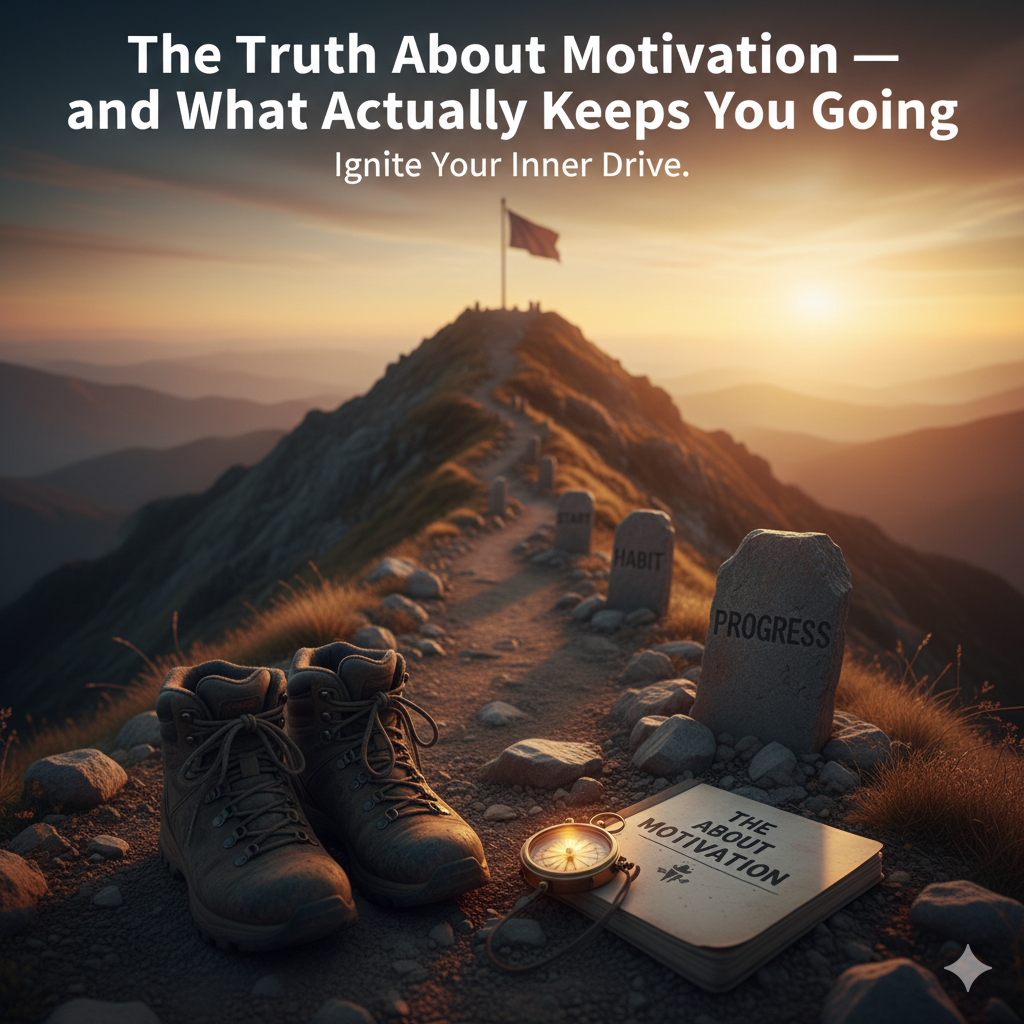
Motivation drives people to chase their goals, overcome challenges, and build the life they dream of. When motivation feels strong, everything appears possible. When it disappears, even simple tasks can feel overwhelming. Many individuals believe that motivation is a magical burst of energy that arrives when needed. However, the truth is more practical and empowering. Motivation can be understood, strengthened, and managed in sustainable ways. This article explores what actually fuels motivation, why it fades, and how to keep going even when inspiration feels out of reach.
Understanding the Real Nature of Motivation
Motivation is the internal force that encourages action. It connects intention with behavior. The more aligned your goals are with your internal drive, the more motivated you feel.
However, motivation is not a constant emotional state. It rises and falls depending on physical energy, emotional well-being, personal circumstances, confidence, and environment. Expecting motivation to always feel exciting can create frustration and self-doubt.
Two Types of Motivation
There are two major forms of motivation that influence human behavior:
Intrinsic Motivation
This type of motivation comes from personal interest or joy in the task itself. You take action because it feels meaningful or enjoyable. Examples include:
• Playing a sport you love • Learning something new for curiosity • Creating art because it fulfills you
Intrinsic motivation is strong and sustainable because it aligns with personal identity and values.
Extrinsic Motivation
This type of motivation is influenced by external rewards or pressure, such as:
• Money • Grades • Social approval • Fear of punishment
Extrinsic motivation can be useful for short-term actions, yet it often wears off quickly if not supported by deeper purpose.
The balance between intrinsic and extrinsic motivation determines endurance and satisfaction in pursuing goals.
Why Motivation Comes and Goes
People often blame themselves when motivation drops. They think they lack discipline or passion. However, fluctuating motivation is normal. Understanding why it fades helps prevent discouragement.
Common Reasons Motivation Declines
• Overwhelm from too many tasks • Lack of clear progress or results • Burnout from excessive pressure • Fear of failure or disappointment • Loss of connection to purpose • Physical stress, poor sleep, or low energy
Motivation relies heavily on the brain’s reward system. If a goal feels too distant or difficult, the brain loses interest. Breaking tasks into smaller steps can reactivate that reward system.
The Science Behind What Keeps You Going
Humans are wired to seek progress, pleasure, and belonging. Motivation increases when actions feel achievable, rewarding, and aligned with personal meaning. The brain also releases dopamine when goals are met, which encourages continued effort.
The Role of the Identity System
People are more motivated when their goals match who they believe they are. For example:
• A person who identifies as athletic is more motivated to exercise • A person who sees themselves as organized is more likely to maintain structure
Identity-driven goals create long-lasting motivation because they reinforce self-concept.
The Biggest Motivation Myth
Many believe they must feel motivated before taking action. However, motivation often comes after action, not before. Taking a small step can spark energy and confidence, which then creates more motivation.
Following the formula:
Action → Progress → Motivation → More Action
is more realistic than waiting for a motivational burst to suddenly appear.
What Actually Helps You Stay Motivated
True motivation is built through consistent habits, supportive environments, clear purpose, and emotional regulation. Below are practical and proven strategies that sustain motivation over time.
Clarify the “Why” Behind Your Goals
Connect Goals to Meaning
If a goal does not feel meaningful, motivation will disappear quickly. Ask yourself:
• Why do I want this? • How will this improve my life? • How will I feel when I achieve it?
The more personal and emotional the answer, the more powerful the motivation becomes.
Define Internal Rewards
Focus on the internal benefits rather than only external outcomes. For example:
• Exercising for strength and health rather than appearance • Studying to learn valuable skills rather than impressing others
Internal rewards provide deep and lasting energy.
Break Goals Into Small Successes
Huge goals can feel overwhelming and discourage effort. Smaller actions break the journey into achievable steps that deliver quick wins.
The Power of Micro-Progress
Create tasks that can be completed in minutes. Examples:
• Write two sentences toward a paper • Walk for five minutes • Organize one drawer
Small victories boost dopamine and confidence, turning effort into habit.
Build a Routine That Supports Your Goals
Motivation relies on structure. Routines remove the mental burden of deciding when and how to act.
Habit Stacking
Attach a new habit to one you already do:
• After brushing teeth, meditate for one minute • After lunch, study for ten minutes • After waking up, drink a glass of water
When habits become automatic, motivation is no longer needed for every action.
Embrace Imperfect Progress
Perfectionism can destroy motivation. People often stop trying when results are not flawless.
Focus on Continuity Over Perfection
Showing up imperfectly still moves you forward. Celebrate effort, especially when it feels difficult.
● Done is better than perfect ● Consistency matters more than intensity ● Progress counts even if slow
Self-compassion helps motivation thrive.
Track Your Progress Visually
Seeing results keeps motivation alive. Use tools such as:
Every mark of improvement reminds you that your actions matter.
Create an Environment That Encourages Motivation
Your surroundings influence your behavior. Clutter, distractions, and negativity reduce motivation.
Environment Design Tips
• Keep tools for success visible and accessible • Remove distractions from work zones • Surround yourself with people who uplift you
A supportive environment reduces friction and strengthens motivation.
Celebrate Every Milestone
Reward systems maintain motivation by acknowledging achievements. Celebrations reinforce positive behavior and help maintain enthusiasm.
Healthy Reward Ideas
• Enjoy a relaxing activity • Share progress with someone supportive • Treat yourself to something enjoyable
Rewards should encourage well-being, not sabotage progress.
Fuel Your Body to Fuel Your Motivation
Physical wellness has a direct impact on mental motivation.
• Proper sleep improves mood and focus • Nutritious food supports brain function • Movement boosts energy and reduces stress
Your body must feel supported in order for your mind to stay motivated.
Replace Pressure With Curiosity
Pressure triggers stress and fear, which can block motivation. Curiosity sparks creativity and excitement.
Shift Thinking From:
• “I must do this” to • “What can I learn from this?”
A playful mindset enhances resilience and reduces resistance to challenges.
Surround Yourself With Support
Supportive relationships provide accountability, encouragement, and emotional validation. Sharing goals makes them feel more achievable.
Who You Surround Yourself With Matters
Engage with people who:
• Encourage growth • Celebrate your progress • Model disciplined and positive behavior
Community strengthens motivation through belonging.
Learn to Rest Without Quitting
Motivation fades when mental or physical exhaustion takes over. Rest is necessary for sustained effort.
Smart Rest Strategies
• Schedule downtime in your calendar • Take short breaks during work sessions • Engage in relaxing hobbies and time in nature
Rest renews energy and prevents burnout, allowing motivation to return.
Remove the All-or-Nothing Mentality
Thinking “If I cannot do it perfectly, I won’t do it at all” is motivation’s enemy. Instead, allow for flexibility and adaptation.
Adjust Without Abandoning
If you cannot complete the full plan, try a smaller version:
• Walk for five minutes instead of thirty • Read one page instead of a chapter • Clean one section instead of the entire room
Partial progress still builds momentum.
Motivation Grows Through Action
Even when motivation is low, taking one small step can make a big difference. The willingness to begin is more powerful than waiting for enthusiasm. Every action creates progress and reinforces identity:
You become what you consistently do.
When Motivation Needs Extra Support
There are moments when lack of motivation is more than normal fatigue. Seek professional guidance if you experience:
• Persistent hopelessness • Chronic stress symptoms • Loss of interest in activities once enjoyed • Difficulty functioning in daily life
Mental health support builds strong foundations for renewed motivation.
Real Motivation Comes From Within
External motivation can provide a spark, but internal motivation provides the flame. Purpose becomes the strongest motivator when aligned with your personal beliefs and dreams.
Ask Yourself:
• What kind of person do I want to become? • What impact do I want to have on my life and others? • How can my actions reflect my values?
When your actions match your identity, motivation follows naturally.
Conclusion: Motivation Is a Journey, Not a Burst
Motivation is not about constant excitement. It is about commitment, purpose, and progress. Even small steps can lead to major transformations when taken repeatedly over time. The truth about motivation is that it thrives on action, routine, environment, identity, and self-compassion.
You do not need endless enthusiasm. You need systems that keep you moving, even slowly. Some days you will feel unstoppable, and other days you will simply do what you can. Both count. Every effort builds discipline and belief in yourself.
Keep going:
• Be curious • Celebrate progress • Rest when needed • Adjust when life changes • Connect with your “why”
Motivation is not something you find. It is something you create through consistent meaningful action. Your journey continues with the next step you choose to take today.
Mental resilience has become one of the most important personal skills in today’s demanding world. People are constantly juggling busy schedules, professional responsibilities, social expectations, and personal challenges. In the pursuit of success and stability, many individuals push themselves to their limits and risk falling into exhaustion or burnout. Building resilience is critical for coping with adversity, but doing so in a healthy manner is equally essential. This comprehensive guide explains how to strengthen mental resilience without stretching yourself too thin or sacrificing your overall well-being.
What Is Mental Resilience?
Mental resilience refers to the ability to adapt, recover quickly, and remain emotionally balanced when facing difficulty. Resilient individuals do not let challenges destroy their confidence or optimism. Instead, they find ways to move forward, learn from setbacks, and manage their stress effectively.
Although resilience can sometimes seem like a personality trait, it is a skill that grows with practice. The strongest form of resilience includes emotional awareness, mindful decision-making, a strong sense of purpose, and the capability to ask for help when needed.
The Relationship Between Resilience and Burnout
Burnout happens when stress is unmanaged over a long period and a person feels mentally and physically drained. Many people believe that pushing harder makes them stronger, but resilience is not about constantly enduring stress. It is about recognizing limits and knowing how to restore energy.
Key Differences
• Resilience: Healthy coping, self-awareness, balance between effort and rest. • Burnout: Energy depletion, negativity, loss of motivation, emotional exhaustion.
Developing resilience should build you up rather than break you down. The right approach focuses on flourishing in adversity, not merely surviving it.
Why Modern Life Requires More Resilience
Constant connectivity, competitiveness, economic challenges, and rapid change make stress almost unavoidable. People face:
• Pressure to perform at work or school • Information overload from digital life • Financial concerns • Social comparison fueled by social media • Family responsibilities and relationship issues
Without healthy coping strategies, these pressures can erode well-being. That is why mental resilience is essential for everyone, regardless of lifestyle, profession, or age.
Building Mental Resilience the Healthy Way
Below are evidence-based strategies that enhance resilience while protecting your mental and emotional resources. These practices support long-term strength and sustainable success.
Prioritize Self-Awareness
Understand Your Emotional Landscape
Self-awareness helps individuals identify their feelings and stress triggers. When you recognize emotional shifts early, you can address challenges before they escalate.
Try to observe:
• What situations make you anxious or drained • How the body reacts to stress • Your inner dialogue during tough moments
Reflecting on emotions allows more intentional responses rather than impulsive reactions.
Practicing Daily Check-Ins
Take a moment each day to ask:
• How am I feeling physically and emotionally right now? • What has contributed to these feelings? • What do I need to feel supported and grounded?
Simple reflection creates clarity and reduces emotional overload.
Strengthen Your Mindset
Embrace a Growth Mindset
A growth mindset means seeing challenges as opportunities to learn and evolve. This perspective builds confidence and reduces fear of failure.
Instead of thinking: “I can’t handle this.”
Shift to: “This might be difficult, but I can learn from it.”
Small mindset shifts create lasting resilience.
Reframe Negative Thoughts
Every person experiences negativity. The goal is not to eliminate negative feelings but to transform them. Notice self-critical statements and question whether they are helpful or truthful. Replace self-criticism with empowerment.
For example:
• “I always fail” becomes “I have succeeded before, and I can succeed again.”
Set Boundaries for a Balanced Life
Boundaries protect your mental health and prevent burnout. They define what you can give and what you must reserve for yourself.
Learn to Say “No”
Declining requests is not selfish. It is necessary for preserving energy. Choose commitments that align with your priorities.
Manage Digital Overload
• Designate screen-free hours • Turn off non-essential notifications • Avoid checking emails outside work hours
Boundaries create room for rest, creativity, and meaningful interactions.
Develop a Healthy Support System
Strong relationships are a core element of resilience. Asking for help does not indicate weakness. It shows strength and self-respect.
Build Positive Connections
Surround yourself with:
• People who encourage and uplift you • Individuals who listen without judgment • Friends or family who remind you of your value
Social support reduces stress and fosters emotional security.
Communicate Openly
Express needs, concerns, and feelings honestly. Healthy communication enhances trust and deepens relationships.
Practice Stress-Reduction Techniques
Stress is unavoidable. However, how you manage it determines your resilience.
Mindfulness and Meditation
Mindfulness keeps your thoughts in the present moment rather than spiraling into anxiety. Practices like deep breathing and meditation calm the body’s stress response.
Physical Activity
Movement releases endorphins that enhance mood and relieve tension. You do not need intense workouts. Consider:
• Yoga • Walking in nature • Light stretching • Dance or swimming
Any regular activity that supports relaxation and vitality strengthens resilience.
Healthy Sleep Habits
Sleep restores cognitive function, emotional processing, and physical health. Aim for 7 to 9 hours each night. Disconnecting from screens before bedtime enhances sleep quality.
Set Realistic Goals and Celebrate Progress
Small achievements build confidence and provide motivation to keep going. Unrealistic goals often lead to disappointment and stress.
Focus on What You Can Control
Work on goals that align with personal values rather than external expectations. Progress becomes more rewarding when it reflects your true desires.
Reward Every Step
Celebrate progress no matter how small. Each accomplishment reinforces resilience and self-belief.
Cultivate Positive Daily Habits
Habits shape mindset and energy levels. Consistent routines support emotional stability.
Consider incorporating:
• Daily gratitude journaling • Time outdoors • Relaxing hobbies or creative outlets • Nutritious meals that fuel the body and brain
Positive habits strengthen your overall resilience baseline, making it easier to manage challenges.
Accept That Setbacks Are Part of Growth
Struggles do not define your worth. Mistakes provide valuable insight and develop character.
Practice Self-Compassion
Treat yourself with the same kindness you would offer a friend. Self-criticism drains motivation and resilience. Self-compassion encourages healing and perseverance.
Take Time to Recover
Rest is not a reward for productivity. It is a requirement for resilience. A well-rested mind is sharper, more creative, and more capable of overcoming obstacles.
Listen to Your Body
Your body communicates when something is wrong. Stress symptoms like headaches, fatigue, irritability, and muscle tension indicate the need for rest and adjustment. Ignoring these signals leads to burnout.
Tune in to Energy Levels
Track what activities drain or energize you. Adjust responsibilities accordingly. Balance matters more than constant busyness.
Seek Professional Help When Needed
There is significant strength in recognizing when support from a mental health professional is needed.
Consider therapy if you experience:
• Persistent anxiety • Loss of motivation and joy • Difficulty coping with daily life • Emotional shutdown or uncontrollable worry
Mental health professionals offer tools that can accelerate recovery and build lifelong resilience.
Personalizing Your Resilience Journey
There is no universal formula for resilience. Everyone’s path is unique because every person has distinct strengths, challenges, and environments. Experiment with different strategies and keep what works best for you. Personal growth evolves over time, and so does resilience.
Seeing your progress reinforces resilience and builds motivation.
Encouraging Resilience in Others
Supporting others creates a positive cycle. When you model self-care and resilience, others become inspired to do the same. Sharing your journey strengthens bonds and builds a community of support.
Here are simple ways to support others:
• Offer encouragement • Listen actively • Celebrate their achievements • Respect their boundaries • Provide help when asked
Mental resilience is not about being strong all the time or pushing through every barrier. It is about knowing when to pause, breathe, ask for help, and protect your emotional well-being. True strength is found in balance. By focusing on self-awareness, boundaries, healthy habits, and positive relationships, you can build resilience that empowers you to handle challenges confidently without burning out.
The journey requires patience, but every step you take toward building resilience enhances the quality of your life. With consistent effort, you will become more adaptable, emotionally secure, and capable of thriving even during time periods of adversity. Resilience is not simply surviving challenges. It is learning to grow from them while protecting your mental health and energy.
Choose progress over perfection. Choose wellness over exhaustion. Choose resilience that strengthens you from within.
Life can feel overwhelming at times, and it’s easy to become lost in the chaos. Whether you’re juggling work, family, relationships, or personal goals, the demands of daily life can pull you in many directions. When this happens, it’s not uncommon to feel disconnected from yourself. You may start to feel burnt out, anxious, or like you’re living on autopilot.
The good news is that it’s possible to reconnect with yourself, even in the most overwhelming moments. By practicing self-awareness, setting aside time for reflection, and making intentional changes, you can rediscover your inner peace and regain control over your life.
In this article, we’ll explore five effective ways to reconnect with yourself when life feels like too much. These techniques will help you restore balance, reduce stress, and find clarity in the midst of life’s demands.
Why Reconnecting With Yourself Matters
Before diving into the specific methods, it’s essential to understand why reconnecting with yourself is so important. When life feels overwhelming, it’s easy to lose touch with your core needs and desires. You may find yourself prioritizing the needs of others or focusing solely on tasks without taking the time to check in with how you’re feeling. This lack of connection can lead to burnout, feelings of dissatisfaction, and even physical and emotional exhaustion.
By taking the time to reconnect with yourself, you can restore your emotional and mental well-being. This process helps you tune into your thoughts, feelings, and desires, making it easier to make decisions that align with your values and bring you peace.
1. Practice Mindfulness and Meditation
What is Mindfulness?
Mindfulness is the practice of being fully present in the moment, paying attention to your thoughts, feelings, and physical sensations without judgment. It involves bringing awareness to the present, rather than getting lost in past regrets or future worries. Meditation, on the other hand, is a technique that often accompanies mindfulness, where you take time to clear your mind and focus on your breath.
How Mindfulness Helps You Reconnect
When life feels overwhelming, it’s easy to get caught up in the constant mental noise. Our thoughts often race from one thing to the next, making it difficult to focus on the present moment. Practicing mindfulness allows you to break free from this cycle and center yourself.
By incorporating mindfulness into your daily routine, you can:
Calm your mind: When you focus on your breath or bodily sensations, it helps reduce the mental clutter that causes stress and anxiety.
Reduce stress: Mindfulness has been shown to lower cortisol levels (the stress hormone), helping you feel more relaxed and in control.
Increase self-awareness: Being mindful allows you to tune into your thoughts and emotions, helping you understand what is causing you to feel overwhelmed.
How to Practice Mindfulness
Start with a few minutes each day: You don’t need to meditate for hours. Start with just 5-10 minutes a day and gradually increase the time as you become more comfortable.
Focus on your breath: Sit in a quiet place, close your eyes, and focus on your breathing. If your mind wanders, gently bring your attention back to your breath.
Body scan: A simple technique is to mentally scan your body from head to toe, noticing any tension or discomfort. This helps you become more attuned to how you’re feeling physically.
By practicing mindfulness regularly, you can create a sense of inner peace that helps you navigate stressful situations with more clarity and calmness.
2. Set Boundaries and Say No When Necessary
Why Setting Boundaries Is Essential
Often, when life feels overwhelming, it’s because we’re taking on too much. We say “yes” to every request, whether it’s at work, from family, or from friends. Over time, this can lead to exhaustion and a feeling of being stretched too thin.
Setting boundaries is essential for protecting your time and energy. Boundaries are guidelines that define where your limits are and help ensure you’re not giving more of yourself than you can handle. Without boundaries, you may find yourself sacrificing your needs for the sake of others, which can ultimately lead to burnout.
How to Set Healthy Boundaries
Assess your priorities: Take some time to reflect on what truly matters to you. When you understand your core values, it becomes easier to set boundaries that align with your personal goals.
Learn to say no: Saying no doesn’t mean you’re being selfish. It simply means you’re prioritizing your well-being. Practice saying no to requests that don’t serve your needs or that would overload your schedule.
Communicate clearly: When setting boundaries, be direct and clear with others. Let them know your limits in a respectful and honest way.
By setting healthy boundaries, you can reclaim your time and energy, ensuring that you have space to focus on your own well-being.
3. Spend Time in Nature
The Healing Power of Nature
Nature has a unique way of helping us reconnect with ourselves. Spending time outdoors has been shown to reduce stress, improve mood, and increase feelings of well-being. Whether it’s walking in a park, hiking in the mountains, or simply sitting by the beach, nature provides a peaceful environment that helps clear the mind and soothe the soul.
How Nature Helps You Reconnect
Reduces stress: Being in nature has been shown to lower blood pressure, reduce cortisol levels, and improve overall mental health. The peaceful sounds, fresh air, and green spaces create a natural antidote to stress.
Encourages mindfulness: Nature offers the perfect setting for mindfulness. When you’re outside, you can pay attention to the sounds of birds, the rustling of leaves, or the scent of flowers, grounding you in the present moment.
Improves mood: Research has found that spending time in natural environments can increase levels of serotonin, the hormone responsible for happiness. Nature’s calming effect can lift your mood and restore your mental clarity.
How to Connect with Nature
Take regular walks: Even a short walk in a nearby park or around your neighborhood can provide a mental reset.
Spend time in green spaces: If possible, make time to visit forests, lakes, or beaches. These natural spaces offer the most significant benefits to mental health.
Practice “forest bathing”: This Japanese practice, known as Shinrin-yoku, involves immersing yourself in a forest environment and taking time to engage all of your senses, which helps reduce stress and improve mental clarity.
By spending more time in nature, you can recharge, relieve stress, and reconnect with your inner self.
4. Engage in Creative Expression
Why Creativity is Essential for Reconnection
Creativity is a powerful tool for reconnecting with yourself. Whether it’s through writing, painting, dancing, or any other form of artistic expression, creativity allows you to express your emotions, thoughts, and experiences in a tangible way. Engaging in creative activities helps you access your subconscious mind, uncover hidden feelings, and release emotional tension.
How Creativity Helps You Reconnect
Provides an emotional outlet: Creativity offers a healthy way to release emotions that may be overwhelming you, such as stress, anxiety, or frustration.
Fosters self-discovery: As you create, you may uncover new insights about yourself, your desires, and your values.
Promotes relaxation: Engaging in creative activities helps take your mind off daily stressors, allowing you to focus on the process rather than the outcome.
How to Get Started with Creative Expression
Try something new: If you’ve never explored your creative side, start with something simple, like journaling, drawing, or coloring. There’s no need to be a professional—just enjoy the process.
Make time for it: Schedule regular time in your week for creative activities, even if it’s just 15-30 minutes.
Don’t worry about perfection: The goal of creative expression is not to produce something perfect but to allow yourself to feel and express whatever is on your mind.
By making creativity a regular part of your life, you can release stress and rediscover joy, which can help you reconnect with yourself.
5. Practice Self-Compassion
The Importance of Being Kind to Yourself
When life feels overwhelming, it’s easy to fall into a pattern of self-criticism. You may feel like you’re not doing enough or that you’re failing to meet your own expectations. This self-judgment can cause more stress and make it even harder to reconnect with yourself.
Self-compassion involves treating yourself with kindness, understanding, and patience, especially during difficult times. Instead of being your harshest critic, practice speaking to yourself the way you would speak to a close friend who is going through a tough time.
How Self-Compassion Helps You Reconnect
Reduces stress: Being kind to yourself can help lower stress levels, making it easier to navigate overwhelming situations.
Improves resilience: Self-compassion helps you bounce back from setbacks more easily, as it encourages you to approach challenges with a mindset of growth rather than self-blame.
Fosters emotional well-being: By practicing self-compassion, you can improve your emotional regulation, leading to better mental health and a stronger sense of self-worth.
How to Practice Self-Compassion
Challenge negative self-talk: When you catch yourself thinking negatively about yourself, pause and reframe your thoughts. Ask yourself how you would talk to a friend in the same situation.
Take breaks: Give yourself permission to rest and recharge. You don’t have to be “on” all the time.
Celebrate small wins: Acknowledge and appreciate your efforts, no matter how small. This reinforces the habit of treating yourself kindly.
By practicing self-compassion, you can reduce stress, improve your mood, and create a healthier relationship with yourself.
Conclusion: Reconnecting With Yourself is a Journey
Life will always have its challenges, but reconnecting with yourself is a powerful way to restore balance and find peace. By practicing mindfulness, setting boundaries, spending time in nature, engaging in creative expression, and cultivating self-compassion, you can create a stronger, more resilient connection with your inner self. Remember, reconnecting with yourself is not about achieving perfection; it’s about creating space to listen to your needs and nurture your well-being.
When life feels overwhelming, these practices can help you navigate the chaos and find the clarity you need to move forward with confidence and self-awareness. Reclaim your time, energy, and focus, and you’ll begin to feel more in tune with yourself and the world around you.
In the last decade, social media has evolved from a fun way to keep in touch with friends into a powerful tool that influences everything from politics to shopping habits. Platforms like Facebook, Instagram, TikTok, and Twitter are integrated into nearly every aspect of our daily lives, offering an endless stream of information, entertainment, and connection. However, as we scroll through our feeds, there’s an unseen consequence emerging: our attention span is shrinking.
In this article, we will explore the hidden side of social media—how it’s affecting our ability to concentrate and stay focused. We’ll take a closer look at the science behind attention span, the impact of constant social media use, and practical steps to help you regain control over your focus in this hyper-connected world.
What is Attention Span and Why Does It Matter?
Understanding Attention Span
Attention span refers to the amount of time a person can focus on a particular task or piece of information without getting distracted. It’s a critical cognitive skill that enables us to engage in deep work, problem-solving, and learning. A longer attention span allows us to concentrate on complex tasks, retain information, and complete projects efficiently.
In today’s world, where multitasking is often seen as a skill, our attention span is constantly being tested. And unfortunately, social media is playing a big role in shortening it.
The Importance of Attention Span in Daily Life
Our attention span impacts nearly every aspect of our lives, from how we work to how we engage with others. It plays a significant role in our productivity, relationships, and mental well-being. The ability to focus for long periods is crucial for success in academic and professional settings. It allows us to work efficiently, learn new concepts, and solve problems creatively.
In our personal lives, a well-developed attention span helps us engage meaningfully with those around us, whether we’re having a conversation with a friend, watching a movie, or spending time with family. Without the ability to focus, relationships and experiences can feel shallow and unsatisfying.
The Rise of Social Media: A Constant Source of Distraction
How Social Media Captures Our Attention
Social media platforms are designed to keep us engaged. The algorithms behind platforms like Instagram, TikTok, and YouTube are constantly learning our preferences, pushing content that we’re most likely to engage with. This constant stream of entertainment, updates, and notifications is a powerful tool for grabbing and holding our attention.
One of the main reasons social media is so addictive is due to its ability to deliver immediate rewards. Likes, comments, and shares give us quick bursts of dopamine—our brain’s “feel-good” chemical—encouraging us to keep scrolling, posting, and engaging. This cycle of instant gratification rewires our brains to crave more of the same, ultimately leading to shorter attention spans as we become accustomed to rapid, bite-sized information.
The Role of Notifications in Interrupting Focus
Notifications are another major contributor to the decline in our attention span. Every time we receive a notification from an app, our brain shifts its focus from whatever task we were engaged in to the new stimulus. Whether it’s a text message, social media update, or a new email, these interruptions disrupt our flow and make it harder to stay focused on long-term tasks.
Even when we don’t actively check our phones, the constant buzzing, pinging, and vibrating of notifications can create a sense of anxiety and anticipation, which affects our ability to concentrate. As a result, we often find ourselves jumping from task to task, unable to sustain our focus on one activity for any meaningful length of time.
The Science Behind the Attention Span Decline
Neuroplasticity and How Social Media Affects the Brain
The brain’s ability to reorganize itself by forming new neural connections, known as neuroplasticity, plays a significant role in how our attention span is shaped. When we engage in activities like scrolling through social media, our brains are constantly switching between tasks, absorbing small bits of information at a fast pace.
Over time, this can lead to a condition called “cognitive overload.” Cognitive overload occurs when our brains are overwhelmed with too much information, leading to mental fatigue, difficulty concentrating, and a reduced ability to retain information. The more time we spend consuming bite-sized content on social media, the more our brains become accustomed to this rapid switching of focus, making it harder to concentrate on anything that requires sustained attention.
Studies on Social Media and Attention Span
Several studies have explored the impact of social media on attention span. One study published in the “Journal of Behavioral Addictions” found that excessive social media use is linked to difficulties in maintaining attention, reduced cognitive control, and poor academic performance. The study suggests that the constant switching between apps, notifications, and streams of information disrupts the brain’s ability to focus for extended periods.
Another study by the University of California found that even just having a smartphone nearby can decrease cognitive performance. Participants who had their phones visible during a task performed worse than those whose phones were out of sight, indicating that the mere presence of a device can distract our minds and reduce our attention span.
The Consequences of a Shrinking Attention Span
Decreased Productivity
One of the most noticeable effects of a shrinking attention span is a decrease in productivity. With social media constantly vying for our attention, we often find ourselves jumping from task to task, unable to finish projects or complete work in a timely manner. Instead of dedicating hours to deep work, we spend minutes or seconds on each task, leading to a lack of progress and inefficiency.
This inability to focus on a single task for a prolonged period of time not only affects work but also leads to more stress and frustration. As we try to juggle multiple tasks, we feel the pressure of never truly completing anything, creating a cycle of unfulfilled goals and increased anxiety.
Reduced Ability to Engage in Deep Work
In the age of social media, it’s becoming increasingly difficult to engage in deep work—the kind of focused, uninterrupted work that leads to high levels of creativity and productivity. Cal Newport, author of Deep Work: Rules for Focused Success in a Distracted World, argues that the ability to focus without distractions is a skill that’s becoming increasingly rare in our society. Deep work is essential for mastering complex skills, solving tough problems, and creating meaningful results.
However, with social media constantly pulling our attention away from meaningful tasks, the ability to engage in deep work is diminishing. We are becoming more accustomed to surface-level interactions and instant gratification, making it harder to focus on long-term, challenging projects.
Negative Effects on Mental Health
The decline in attention span also has implications for mental health. Constant digital distractions can increase feelings of stress, anxiety, and depression. The habit of checking social media multiple times a day, coupled with the comparison culture often found on these platforms, can contribute to negative self-esteem and a distorted sense of reality.
Moreover, the lack of focus and increased multitasking can cause mental fatigue, leaving individuals feeling burnt out and overwhelmed. Studies show that multitasking can actually reduce the efficiency of our cognitive functions, making us feel more drained and less productive.
How to Regain Control Over Your Attention
While social media is a significant source of distraction, it’s not impossible to regain control over your attention span. With intentional strategies and conscious efforts, you can mitigate the negative effects of social media and improve your ability to focus.
1. Set Boundaries for Social Media Use
One of the most effective ways to combat distractions is by setting clear boundaries around your social media use. Establish specific times during the day to check social media, and avoid mindlessly scrolling at all hours. You can even use apps like “Forest” or “StayFocusd” to limit the time you spend on certain platforms.
2. Turn Off Notifications
Turning off notifications is one of the simplest yet most powerful ways to protect your attention. Disable non-essential notifications for emails, messages, and social media apps. This will prevent your focus from being constantly interrupted by the ping of incoming alerts.
3. Practice Mindfulness and Meditation
Mindfulness and meditation can help you train your brain to focus on the present moment, reducing the mental clutter caused by distractions. Even just a few minutes of mindfulness each day can improve your ability to concentrate and stay present during tasks. Apps like Headspace or Calm offer guided meditation sessions specifically designed to enhance focus.
4. Designate Tech-Free Zones
Creating designated tech-free zones can help you disconnect from the digital world and regain control over your focus. Set up spaces in your home where technology is not allowed, such as the bedroom or dining room. This encourages more face-to-face interactions and a better work-life balance.
5. Prioritize Deep Work
Make an intentional effort to engage in deep work by blocking off specific time slots in your schedule for uninterrupted focus. During these sessions, eliminate all distractions, including social media, email, and even phone calls. By cultivating a habit of deep work, you can improve your ability to focus and produce high-quality results.
Conclusion: Reclaiming Our Attention in the Age of Social Media
The hidden side of social media is its profound impact on our attention span. While platforms like Instagram, TikTok, and Facebook provide endless entertainment and connection, they also contribute to shorter attention spans, decreased productivity, and mental health challenges. The constant stream of notifications and the pressure to stay connected 24/7 is undermining our ability to focus on what truly matters.
However, with a few mindful strategies, we can regain control of our attention. By setting boundaries around social media, turning off notifications, practicing mindfulness, and prioritizing deep work, we can protect our focus and improve our mental well-being.
In a world designed to distract us, it’s up to us to take intentional steps to protect our attention. By doing so, we can reclaim our ability to focus and lead more fulfilling, productive lives.
In a world where technology is omnipresent, constantly evolving, and continuously demanding our attention, the idea of “digital minimalism” is gaining traction. As we immerse ourselves in the digital world for both work and leisure, many are beginning to feel overwhelmed by the noise — social media, emails, endless notifications, and the general digital clutter. It’s not uncommon for individuals to feel like they’re constantly tethered to their devices, contributing to a feeling of burnout and disconnection.
That’s where digital minimalism comes in. This movement encourages people to intentionally focus on what truly adds value to their digital lives and eliminate the distractions that pull us away from meaningful activities. In this article, we will explore the concept of digital minimalism, why it’s become a hot topic, and how adopting this mindset can enhance your life in our increasingly digital world.
What is Digital Minimalism?
Digital minimalism is the intentional use of technology that focuses on maximizing value while reducing unnecessary digital clutter. It’s about creating a conscious relationship with the devices and platforms we interact with, ensuring they serve us in meaningful ways rather than merely filling time or creating distractions.
This concept draws inspiration from the minimalist lifestyle, which encourages the decluttering of physical possessions to lead a simpler, more intentional life. Similarly, digital minimalism is about curating your digital tools and spaces in a way that aligns with your values and goals, allowing you to focus on what truly matters.
The Core Principles of Digital Minimalism
Digital minimalism is based on several core principles that guide users toward a more intentional and balanced digital life. Here are the key tenets:
Clarity of Purpose: Digital minimalism involves being clear about how and why you use technology. It’s not about completely abandoning digital tools but rather about ensuring that each tool serves a specific, useful purpose.
Intentional Consumption: Instead of passively consuming digital content or scrolling endlessly, digital minimalists aim to engage with technology purposefully. Whether it’s checking emails, using social media, or watching videos, everything should serve a meaningful goal.
Reducing Digital Clutter: The idea is to eliminate unnecessary apps, subscriptions, notifications, and other digital distractions that contribute to stress and cognitive overload. This includes decluttering your phone, inbox, and even your social media feeds.
Quality Over Quantity: Instead of being constantly connected, digital minimalism promotes deep engagement with the digital spaces that align with your personal or professional goals. It’s about spending less time on technology but making the time you do spend more valuable.
Mindful Digital Detox: Digital minimalists regularly disconnect from technology to recharge and regain a sense of balance. This could mean setting boundaries around screen time, scheduling tech-free days, or simply spending more time in the physical world.
Why Is Digital Minimalism Gaining Popularity?
The Rise of Digital Overload
In today’s hyper-connected world, technology has become deeply integrated into almost every aspect of our daily lives. From checking emails in the morning to spending hours on social media, it’s easy to get caught up in the digital whirlwind. According to recent studies, the average person spends over 6 hours per day in front of a screen. This constant engagement can lead to feelings of burnout, anxiety, and a lack of focus.
As the digital world continues to evolve, people are beginning to realize that constant connectivity can actually be detrimental to their well-being. Instead of enabling productivity and enjoyment, excessive digital consumption often leads to shallow interactions, information overload, and a lack of real-world connection.
The Quest for Simplicity and Balance
In response to these challenges, many individuals are seeking a simpler, more mindful way of living. Digital minimalism offers a solution by encouraging people to rethink their digital habits and regain control over their technology use. By limiting distractions, people can focus on the things that truly matter — whether that’s spending quality time with loved ones, pursuing hobbies, or engaging in more meaningful work.
The popularity of digital minimalism is also part of a broader trend toward simplicity and intentionality. Minimalist lifestyles have gained a significant following over the years, with people decluttering their homes, embracing more sustainable living practices, and prioritizing experiences over material possessions. Digital minimalism is simply an extension of this movement, applying the same principles to our relationship with technology.
The Impact of Digital Minimalism on Mental Health
Mental health is one of the biggest driving forces behind the digital minimalism movement. Research has shown that excessive social media use, constant notifications, and information overload can contribute to stress, anxiety, and depression. By adopting digital minimalism, people can take control of their digital environments and limit exposure to negative influences.
Moreover, studies suggest that digital detoxes — taking time away from screens — can significantly improve mental clarity, emotional well-being, and overall life satisfaction. Digital minimalism advocates for setting boundaries, reducing digital distractions, and fostering a healthier balance between online and offline life.
How to Implement Digital Minimalism in Your Life
Now that we understand what digital minimalism is and why it’s gaining popularity, the next question is: how do you implement it in your own life? Here are some actionable steps to help you get started with digital minimalism:
1. Audit Your Digital Life
The first step in embracing digital minimalism is to take a close look at your digital habits. Start by auditing your devices, apps, social media accounts, and online subscriptions. Ask yourself:
Which apps do I use regularly, and how do they add value to my life?
How many notifications do I receive daily, and how many of them are truly important?
Which digital activities feel like a waste of time or contribute to stress?
Are there any online spaces or relationships that drain my energy or attention?
By assessing your digital environment, you can begin to identify areas of clutter or unnecessary distractions.
2. Declutter Your Devices and Digital Spaces
Once you’ve completed your audit, it’s time to declutter your digital life. Start by:
Unsubscribing from unnecessary emails and newsletters: If you’re overwhelmed by your inbox, unsubscribe from emails that no longer serve you.
Deleting apps you rarely use: Keep only the apps that align with your goals or bring you joy. Remove anything that contributes to mindless scrolling or stress.
Reducing notifications: Turn off non-essential notifications that distract you throughout the day. This can help you regain control over your time.
Organizing your digital files: Clear out your desktop, organize your documents, and archive old files to maintain a clean and efficient workspace.
By eliminating unnecessary digital clutter, you can reduce distractions and make it easier to focus on the things that truly matter.
3. Set Clear Boundaries for Technology Use
One of the core principles of digital minimalism is setting boundaries around your technology use. Here are some strategies to help you establish these boundaries:
Create tech-free zones: Set aside areas in your home where technology is not allowed, such as the bedroom or dining table. This can help you create space for deeper connections and more intentional activities.
Establish screen time limits: Use apps like Screen Time (for iPhone) or Digital Wellbeing (for Android) to set daily limits on non-essential apps, helping you reduce time spent on social media or games.
Schedule tech-free times: Designate certain hours of the day as tech-free time. For example, you could commit to not checking emails first thing in the morning or having a phone-free dinner with family or friends.
By setting clear boundaries, you can ensure that technology enhances rather than disrupts your life.
4. Focus on Quality Over Quantity in Your Digital Interactions
Rather than mindlessly scrolling through social media feeds or consuming endless amounts of content, digital minimalism encourages quality over quantity. Focus on:
Engaging with meaningful content: Follow accounts or subscribe to platforms that align with your interests, values, and goals. Curate your social media and online spaces to ensure you’re consuming content that adds value to your life.
Limiting social media use: If social media feels overwhelming or draining, consider limiting your use to specific times of the day or eliminating certain platforms entirely.
Building deeper connections: Instead of focusing on the number of online connections, prioritize meaningful conversations and relationships with a smaller group of people.
By focusing on quality interactions, you can create a more fulfilling digital life.
5. Embrace Regular Digital Detoxes
Taking regular breaks from technology is crucial for maintaining mental clarity and focus. Consider:
Scheduling weekly or monthly digital detoxes: Set aside specific days or weekends where you disconnect from all digital devices, allowing you to recharge and reconnect with the physical world.
Spending more time outdoors: Nature has a calming effect on the mind and can help you reset after periods of excessive screen time. Take regular walks, hikes, or even just sit outside and enjoy the fresh air.
Pursuing offline hobbies: Rediscover hobbies that don’t involve screens, such as reading, cooking, drawing, or exercising. These activities can help you reconnect with yourself and provide a healthy balance to your digital life.
Regular digital detoxes can help you feel more present, improve your focus, and reduce feelings of burnout.
The Future of Digital Minimalism
As technology continues to evolve, digital minimalism is likely to become an increasingly important practice. With advancements in artificial intelligence, virtual reality, and the internet of things (IoT), it’s easy to see how our digital environments could become even more complex and overwhelming. However, by adopting the principles of digital minimalism, individuals can regain control over their digital lives and create healthier, more intentional relationships with technology.
Final Thoughts
Digital minimalism is more than just a buzzword; it’s a powerful movement that encourages us to be more intentional with our technology use. In a world designed to distract us, embracing digital minimalism allows us to cut through the noise and focus on what truly matters — whether that’s spending quality time with loved ones, pursuing meaningful work, or simply enjoying the present moment.
By decluttering your digital life, setting boundaries, and embracing regular digital detoxes, you can regain control over your attention, boost productivity, and improve your overall well-being. In a world filled with constant distractions, digital minimalism offers a path toward a simpler, more intentional, and more fulfilling digital life.
In today’s digital age, distractions are everywhere. From the constant ping of notifications to the endless scroll of social media feeds, staying focused can feel like an uphill battle. Yet, in a world designed to distract, staying focused has never been more important. Whether you’re working from home, studying, or simply trying to accomplish personal tasks, the ability to maintain focus can significantly impact your productivity and overall well-being.
The good news is that with the right strategies and mindset, it is entirely possible to stay focused, even in a world that seems tailor-made to pull your attention in a million different directions. In this article, we’ll explore practical tips, techniques, and tools to help you sharpen your focus, block out distractions, and achieve your goals.
Why Is It So Hard to Stay Focused?
The Age of Digital Distraction
We live in an age where distractions are built into our environment. The constant stream of notifications, social media updates, and online content fights for our attention at every turn. Research shows that the average person checks their phone over 80 times a day, and many of us struggle to go an hour without checking emails or scrolling through social media.
This constant barrage of stimuli triggers a part of our brain that craves novelty, making it difficult to focus on one thing for an extended period. The more we indulge in these distractions, the harder it becomes to concentrate for long periods. This is especially true for people who struggle with attention-related issues, such as ADHD, but it affects many of us to some degree.
The Impact of Multitasking
Another factor that makes it hard to focus is the myth of multitasking. We often believe that juggling multiple tasks at once can make us more productive. In reality, multitasking can decrease our ability to concentrate and perform tasks efficiently. The human brain is not wired to handle more than one cognitively demanding task at a time. When we switch between tasks, it takes time for our brain to refocus, leading to reduced productivity and errors.
Multitasking also contributes to mental fatigue. The mental effort required to shift between tasks can leave you feeling drained, making it even harder to concentrate on your next task.
How to Combat Distractions and Stay Focused
While distractions are a part of life in the modern world, there are several proven strategies to help you stay focused and productive. Below are some effective techniques you can start implementing today to regain control over your attention and accomplish more with less stress.
1. Set Clear Goals and Priorities
Why Clear Goals Matter
One of the most effective ways to stay focused is to know exactly what you’re working toward. Setting clear, specific goals gives your mind a target to focus on, helping you avoid distractions. When you have a defined outcome in mind, it becomes easier to stay on task and resist the urge to wander off course.
For example, if you’re working on a project, break it down into smaller, manageable tasks and focus on completing one task at a time. This sense of progression can help maintain your momentum and prevent you from feeling overwhelmed.
Prioritizing Your Tasks
Not all tasks are equally important. Prioritizing your tasks based on urgency and importance allows you to direct your energy toward the most crucial activities. Use a system like the Eisenhower Matrix, which categorizes tasks into four quadrants based on their urgency and importance:
Urgent and important: Do these tasks first.
Important but not urgent: Schedule these tasks.
Urgent but not important: Delegate if possible.
Neither urgent nor important: Eliminate or minimize these tasks.
By organizing your tasks, you can focus on what truly matters, leaving less room for distractions.
2. Create a Distraction-Free Environment
Control Your Digital Environment
Your environment plays a huge role in how well you can focus. If you’re constantly surrounded by distractions, it’s harder to concentrate on your work. To minimize distractions, start by decluttering your physical workspace. Keep only what’s essential on your desk or workspace and remove unnecessary items that can draw your attention away.
In addition to organizing your physical space, control your digital environment as well. Turn off notifications on your phone and computer. Apps like “Focus@Will” provide background music that helps improve concentration, and tools like “Do Not Disturb” mode can block distracting apps or websites during work hours. If you’re working on your computer, use browser extensions like “StayFocusd” or “Freedom” to limit access to time-wasting websites.
Create a Dedicated Workspace
Designating a specific space for work or study can help your brain associate that environment with focus and productivity. If you work from home, try to create a distinct work area separate from places associated with relaxation or entertainment, like your living room or bedroom. Having a designated space will help you mentally switch into work mode and improve your focus.
3. Time Management: Work in Focused Bursts
The Pomodoro Technique
One of the most effective time management techniques for staying focused is the Pomodoro Technique. This method involves working in focused bursts of 25 minutes, followed by a short 5-minute break. After four “Pomodoros,” take a longer break of 15-30 minutes.
The Pomodoro Technique works because it aligns with the brain’s natural attention span. It helps you avoid burnout while also maintaining a high level of productivity. The short intervals make it easier to stay engaged with a task without feeling overwhelmed, and the regular breaks prevent mental fatigue.
Time Blocking
Time blocking is another great strategy for managing your focus. This involves setting aside specific blocks of time for different tasks throughout the day. For example, you might allocate the first hour of your day to deep work (like writing or brainstorming) and the next hour to administrative tasks. By dedicating specific time blocks to certain activities, you avoid the temptation to switch between tasks constantly.
Time blocking also helps you manage your energy levels throughout the day. For example, if you’re most productive in the morning, you can reserve that time for tasks that require deep concentration, while saving routine tasks for the afternoon when your energy may be lower.
4. Practice Mindfulness and Meditation
Mindfulness for Focus
Mindfulness is the practice of staying fully present in the moment without judgment. Practicing mindfulness can help you train your mind to stay focused and avoid distractions. Even just a few minutes of mindfulness exercises each day can improve your ability to concentrate over time.
You can practice mindfulness during any activity—whether you’re eating, working, or walking—by bringing your full attention to the present moment. Focus on your breath, observe your thoughts without judgment, and bring your attention back to the task at hand whenever your mind starts to wander.
Meditation for Mental Clarity
Meditation is another powerful tool for improving focus. By practicing meditation regularly, you train your brain to resist distractions and improve your ability to concentrate. Meditation helps reduce mental clutter, leading to better decision-making, clearer thinking, and enhanced productivity.
There are many types of meditation techniques, but for focus, mindfulness meditation is a great place to start. Apps like Headspace and Calm offer guided meditation sessions that can help you develop a regular practice.
5. Take Care of Your Body and Mind
Physical Exercise and Focus
Physical exercise has a significant impact on mental clarity and focus. Regular physical activity increases blood flow to the brain, boosts mood, and improves cognitive function. Even just a short walk or a quick workout can help reset your mind and improve your concentration.
Incorporating physical exercise into your routine not only benefits your body but also enhances your ability to focus and stay productive throughout the day. Try to engage in some form of exercise daily, whether it’s yoga, stretching, walking, or a more intense workout.
Nutrition and Sleep
Your brain needs proper nutrition and rest to function optimally. A healthy diet, rich in nutrients, can help improve memory, focus, and cognitive performance. Foods like leafy greens, berries, and fatty fish are known to support brain health.
Equally important is sleep. Lack of sleep can significantly impair your ability to concentrate and stay focused. Aim for 7-9 hours of sleep per night to ensure that your brain is well-rested and ready to tackle the day’s tasks.
6. Take Breaks and Practice Self-Care
It might sound counterintuitive, but taking regular breaks is essential for maintaining focus. Our brains can only stay focused for so long before they start to lose energy and efficiency. Taking breaks allows your brain to recharge, preventing mental fatigue and burnout.
Incorporate self-care into your routine by taking time to relax, recharge, and pursue activities that bring you joy. Whether it’s reading, spending time with loved ones, or simply enjoying some quiet time, these moments of rest are essential for maintaining long-term focus and productivity.
Conclusion: Focus is a Skill You Can Build
Staying focused in a world full of distractions is undoubtedly challenging, but with the right strategies, you can regain control of your attention and boost your productivity. By setting clear goals, creating a distraction-free environment, practicing effective time management, and taking care of your body and mind, you can train yourself to stay focused and achieve more.
Remember, focus is not an inherent trait—it’s a skill that can be developed with consistent practice. By implementing these tips and techniques, you’ll be able to navigate the modern world with clarity and concentration, ultimately making your goals more achievable and your tasks more enjoyable.