Home Blog Page 2

The Future of Remote Work: Are We Ever Going Back?

Remote work has undergone a rapid transformation in recent years, evolving from a niche working arrangement to a global norm. The COVID-19 pandemic forced millions of companies to adopt remote work overnight, and as restrictions have eased, the question remains: will we ever return to the traditional office, or is remote work here to stay?

The answer isn’t as simple as yes or no. The future of remote work is shaped by a combination of factors—technological advancements, changing workplace cultures, employee preferences, and the evolving demands of businesses. In this article, we’ll explore how remote work is expected to evolve, the advantages and challenges it presents, and what the workplace of the future might look like.

The Rise of Remote Work: A Quick Overview

Remote Work Before the Pandemic

Before the global shift caused by COVID-19, remote work was already gaining traction in certain industries. Tech companies, digital marketing agencies, and startups were leading the charge, offering flexible working arrangements to attract top talent. Remote work had long been seen as a perk for employees, offering them a better work-life balance and the freedom to work from anywhere.

However, it was still relatively uncommon in traditional office-based industries such as finance, law, and healthcare. Many companies adhered to the “traditional” 9-to-5 office model, seeing in-person collaboration as essential for productivity and innovation.

The Pandemic’s Impact on Remote Work

When the pandemic forced businesses worldwide to close their doors, remote work became an absolute necessity. Companies scrambled to provide their employees with the tools and infrastructure needed to work from home. The initial transition was chaotic, but as time went on, companies and employees started to realize that remote work was not only possible but also highly effective in many cases.

In fact, a survey conducted by Gallup in 2021 found that 56% of U.S. workers were working remotely either all or part of the time, and a large portion of employees expressed a desire to continue working remotely even after the pandemic. This marked a major turning point in the perception of remote work and its viability in the long run.

Is Remote Work Here to Stay?

The Benefits of Remote Work: Why Employees Don’t Want to Go Back

Remote work isn’t just a temporary trend; it offers numerous benefits that employees are reluctant to give up. Let’s take a look at some of the key reasons why many workers prefer remote work:

1. Flexibility and Work-Life Balance

One of the most significant benefits of remote work is the flexibility it offers. Employees can design their own schedules, which allows them to balance work with personal responsibilities, such as family time, exercise, or hobbies. This flexibility has led to improved job satisfaction and overall well-being for many remote workers.

2. Increased Productivity

Contrary to the belief that employees are less productive when working from home, studies have shown that remote workers often outperform their in-office counterparts. With fewer distractions, less time spent commuting, and the ability to create a personalized workspace, many employees report feeling more focused and productive when working remotely.

3. Reduced Commuting Time and Costs

Commuting can be one of the most stressful and time-consuming parts of a traditional office job. Remote work eliminates the need for daily commutes, saving employees hours each week and reducing stress. Not only does this free up time for personal activities, but it also reduces transportation costs and contributes to environmental sustainability by decreasing the carbon footprint.

4. Access to a Global Talent Pool

For employers, remote work opens up access to a wider and more diverse talent pool. Companies are no longer limited to hiring people who live in specific geographic locations. This has led to an increase in diversity and the opportunity to hire the best talent, regardless of location. It also allows businesses to scale faster, as they can hire employees across different regions without worrying about relocation expenses.

The Challenges of Remote Work: Is It Always Ideal?

While remote work offers many benefits, it’s not without its challenges. Some companies and employees have struggled with the shift to remote work, and not all industries are well-suited for a remote workforce. Here are some of the common challenges associated with remote work:

1. Feelings of Isolation and Loneliness

One of the most common issues faced by remote workers is feelings of isolation. Without the social interactions that come with working in an office, some employees experience loneliness and disconnect from their colleagues. This can lead to lower morale and mental health challenges, especially for individuals who live alone or have limited social networks.

2. Difficulty in Collaboration and Communication

While technology has made it easier than ever to stay connected, remote work can still pose challenges when it comes to collaboration and communication. In-person meetings and spontaneous interactions in the office help foster creativity and problem-solving. Remote work requires more intentional communication, and the lack of face-to-face interaction can lead to misunderstandings or delays in decision-making.

3. Managing Work-Life Boundaries

While remote work offers flexibility, it can also blur the boundaries between work and personal life. Many remote workers struggle with “always being on,” as they feel the pressure to respond to emails and messages outside of traditional working hours. This can lead to burnout and difficulty in maintaining a healthy work-life balance.

4. Technological Issues and Security Concerns

Not all employees have access to the ideal technology or home office setup needed to be productive. Additionally, remote work often involves handling sensitive company data, which can pose cybersecurity risks if proper measures aren’t in place. Companies need to ensure that their remote workforce has access to secure networks and devices to protect against data breaches.

Hybrid Work: The Middle Ground

The Rise of Hybrid Work Models

As the future of remote work continues to unfold, many companies are adopting a hybrid work model. This model combines the flexibility of remote work with the benefits of in-person collaboration. Hybrid work allows employees to work from home part of the week while also coming into the office for meetings, brainstorming sessions, or team-building activities.

This hybrid approach has gained popularity because it provides the best of both worlds. Employees can enjoy the flexibility and productivity of remote work while still benefiting from the collaborative environment that in-person office work offers. It also addresses some of the challenges of remote work, such as isolation and the lack of face-to-face interaction.

Why Hybrid Work Could Be the Future

  • Flexibility: Employees can choose where they work based on the task at hand, with some tasks being more suited for remote work and others benefiting from in-person collaboration.
  • Collaboration: In-person interactions remain crucial for fostering creativity and team cohesion. Hybrid work allows for scheduled in-office days where employees can collaborate, brainstorm, and build relationships.
  • Employee Satisfaction: Hybrid work models have been shown to improve employee satisfaction, as they give workers more control over their work environment and schedule.

How Hybrid Work Could Evolve

The hybrid model is still in its infancy, and it will likely continue to evolve over the coming years. Companies may experiment with different hybrid structures, such as flexible in-office days or a set number of days employees must be present in the office each week. Additionally, hybrid work may shift towards more remote-first companies, with in-office work becoming less of a priority as the world adapts to a digital-first workplace.

What Does the Future of Remote Work Look Like?

The Role of Technology

Technology will continue to play a critical role in shaping the future of remote work. Advancements in artificial intelligence, virtual reality (VR), and augmented reality (AR) will create new ways for teams to collaborate, brainstorm, and interact. Virtual offices may become a reality, where employees can work in a fully immersive digital environment, simulating the experience of being in the same room.

Additionally, the tools used for remote work—such as video conferencing platforms, project management software, and cloud-based applications—will continue to evolve. These tools will become more integrated and intelligent, enabling seamless communication and collaboration, regardless of location.

Changes in Corporate Culture

As remote work becomes more prevalent, corporate culture will likely shift. Companies will need to adapt their approaches to leadership, performance management, and employee engagement. Trust and results-based work will become even more important, as remote work demands a greater focus on autonomy and accountability.

Organizations will also need to invest in mental health and well-being programs to support remote workers who may feel isolated or overwhelmed. Additionally, companies will have to find new ways to build camaraderie and foster a sense of belonging for their remote teams.

The Global Shift Towards Remote-First Workplaces

In the coming years, more companies may adopt a remote-first approach. This means that instead of seeing remote work as a temporary solution, they will build their operations around it. This shift could lead to the growth of “digital nomad” cultures, where employees work from anywhere in the world, with no expectation of returning to a traditional office.

Many companies have already adopted remote-first policies and found success. This trend is expected to grow, particularly in industries like tech, marketing, and creative fields, where the work can be done from virtually anywhere with an internet connection.

Conclusion: Are We Ever Going Back to the Office?

The future of remote work is anything but predictable. While some companies may opt to return to fully in-person work, many are embracing hybrid models, and others are making remote work a permanent fixture. The question isn’t necessarily “Are we going back to the office?” but rather “How will the office evolve in the future?”

Remote work is here to stay, but the way we work will continue to evolve in response to technology, employee needs, and business goals. The office may not look the same in the future, but with the right balance, remote work can offer a sustainable, flexible, and productive solution for both employees and employers alike.

As we move forward, it’s clear that the future of work will be shaped by flexibility, autonomy, and collaboration. Whether fully remote, hybrid, or somewhere in between, the key is finding a working model that works for everyone.

AI Tools That Actually Make Your Life Easier (Not Harder)

In today’s fast-paced world, the constant influx of new technologies can sometimes feel overwhelming. While Artificial Intelligence (AI) has undeniably revolutionized many industries, there’s also a growing concern that the more we rely on it, the more complicated our lives become. But the truth is, AI can be incredibly useful—when it’s done right.

The key is knowing which AI tools are genuinely helpful and which ones just add more complexity. In this article, we’ll explore several AI tools that can make your life easier, more productive, and more efficient—without making things harder.

What Is AI, and Why Should You Care?

Before diving into the specifics, let’s quickly clarify what we mean by AI. At its core, Artificial Intelligence refers to systems or machines that can mimic human intelligence to perform tasks such as understanding language, recognizing patterns, solving problems, and even making decisions. AI is already present in many aspects of daily life, from virtual assistants to customer service chatbots, and it’s continuing to evolve rapidly.

While some people might associate AI with complicated algorithms and science fiction, the truth is that AI tools today can actually save you time, reduce stress, and improve various aspects of your life. But how exactly do they achieve this?

1. AI-Powered Personal Assistants: Organizing Your Day

Virtual Assistants (Google Assistant, Siri, Alexa)

One of the most common applications of AI is in personal assistants. Tools like Google Assistant, Siri, and Alexa have become household names, helping users with everything from setting reminders and managing tasks to controlling smart home devices.

These virtual assistants use AI to understand and interpret natural language, allowing you to simply speak commands or ask questions. The best part? These assistants continue to learn and improve based on your preferences, which means they get more efficient over time.

Why They Make Life Easier:

  • Time-Saving: They handle simple tasks like setting reminders, sending messages, or making calls, leaving you with more time for other important activities.
  • Hands-Free Convenience: You can set up your day without having to type or use your hands. Whether cooking, cleaning, or commuting, your virtual assistant can help you stay organized.
  • Integration: These assistants work well with other apps and devices, meaning you can control your music, adjust the temperature of your home, or even shop online—all through voice commands.

AI Scheduling Assistants (Clara, x.ai)

Managing your calendar can be a nightmare, especially if you’re juggling multiple meetings, appointments, and deadlines. AI scheduling tools like Clara and x.ai are designed to help you automate the scheduling process. By simply giving them access to your calendar, you can have them book meetings, send reminders, and even reschedule when necessary.

Why They Make Life Easier:

  • Automated Scheduling: No more back-and-forth emails trying to find a suitable meeting time. AI scheduling tools handle everything.
  • Saves Time: It automates time-consuming administrative tasks, giving you more time to focus on actual work.
  • Easy Integration: These tools integrate seamlessly with platforms like Google Calendar and Outlook, ensuring smooth operation.

2. AI for Health and Wellness: Improving Your Well-being

AI Fitness Apps (Freeletics, 8fit)

Staying healthy and fit is a priority for many, but finding the time to work out or follow a personalized fitness plan can be challenging. AI-powered fitness apps like Freeletics and 8fit offer customized workout plans based on your fitness level, goals, and preferences. These apps use AI to adapt your training routine as you progress, ensuring your workouts stay effective and engaging.

Why They Make Life Easier:

  • Personalized Plans: AI tailors your workout to suit your individual fitness level and progress.
  • Tracking and Motivation: These apps track your progress and give you real-time feedback, keeping you motivated and on track to meet your goals.
  • Flexibility: You can exercise anytime and anywhere without the need for a gym, making it easier to fit fitness into your busy schedule.

AI Health Monitoring (Oura Ring, Fitbit)

AI-driven wearable devices like the Oura Ring and Fitbit go beyond basic step counting. These devices track your sleep, heart rate, activity levels, and more, offering valuable insights into your overall health. The AI inside these devices analyzes your data to provide personalized tips for improving your well-being.

Why They Make Life Easier:

  • Comprehensive Health Data: Get insights into your sleep patterns, stress levels, and physical activity in one place.
  • Motivation to Improve: AI analyzes your data and provides actionable suggestions to improve your health, whether it’s improving sleep, adjusting your workout intensity, or managing stress better.
  • Convenience: These tools continuously track your health metrics in the background, so you don’t need to actively input any data or worry about missing something important.

3. AI for Productivity: Getting More Done in Less Time

AI Writing Assistants (Grammarly, Hemingway)

Whether you’re drafting emails, blog posts, or reports, writing can be a time-consuming task. AI-powered writing assistants like Grammarly and Hemingway can help you write faster and more effectively. These tools analyze your text for grammar, punctuation, and style issues, offering suggestions that make your writing clearer and more concise.

Why They Make Life Easier:

  • Error-Free Writing: AI detects grammatical and stylistic errors in your writing, ensuring that your documents are polished and professional.
  • Time-Efficient: You no longer need to spend hours proofreading or trying to fix writing mistakes manually. AI handles that for you.
  • Tone Adjustment: Many writing tools now offer tone analysis, allowing you to adjust the tone of your writing based on your audience.

AI Task Management (Trello, Monday.com)

Task management can often become overwhelming, especially when you’re juggling multiple projects at once. AI tools like Trello and Monday.com help you organize tasks, set deadlines, and track progress. These tools use AI to help prioritize tasks, suggest the most efficient workflows, and automate repetitive tasks.

Why They Make Life Easier:

  • Organized Workflow: AI can prioritize tasks for you, ensuring that you focus on the most important work first.
  • Task Automation: Repetitive tasks such as updating project statuses or assigning tasks can be automated, saving you time and energy.
  • Collaborative Features: These tools also facilitate easy collaboration, ensuring your team stays aligned without extra back-and-forth communication.

4. AI for Personal Finance: Simplifying Money Management

AI Budgeting Tools (Mint, YNAB)

Managing finances is a constant challenge for many people. AI-powered budgeting tools like Mint and YNAB (You Need A Budget) help simplify this process by tracking your spending, categorizing expenses, and offering insights on where you can save money.

Why They Make Life Easier:

  • Automatic Categorization: AI automatically categorizes your expenses, so you don’t have to manually input each transaction.
  • Personalized Insights: These tools analyze your spending habits and provide personalized recommendations to help you stay on budget and save money.
  • Goal Setting: You can set financial goals and have the AI assist you in tracking your progress toward achieving them.

AI Investment Tools (Robo-Advisors like Betterment, Wealthfront)

Investing can be intimidating, especially if you’re new to it. Robo-advisors like Betterment and Wealthfront use AI to manage your investments based on your financial goals, risk tolerance, and time horizon. They automatically adjust your portfolio as market conditions change, offering you a hands-off way to invest.

Why They Make Life Easier:

  • Low Maintenance: AI handles portfolio management, so you don’t have to worry about constantly monitoring the stock market.
  • Personalized Strategy: These tools develop a tailored investment strategy that fits your specific financial needs and goals.
  • Cost-Effective: Robo-advisors typically charge lower fees than traditional financial advisors, making them an affordable way to manage your wealth.

5. AI for Communication: Making Connections Effortless

AI Language Translation (Google Translate, DeepL)

Whether you’re traveling to a foreign country or communicating with someone who speaks a different language, AI-powered language translation tools like Google Translate and DeepL can help break down language barriers. These tools use AI to provide accurate translations in real time, allowing you to converse with others more easily.

Why They Make Life Easier:

  • Instant Translation: AI provides fast and accurate translations, whether you’re translating text, speech, or even images.
  • Enhanced Communication: You can connect with people from different cultures without the fear of miscommunication.
  • Offline Capabilities: Many translation apps allow you to use them offline, which is especially useful when traveling.

AI Email Management (Clean Email, SaneBox)

Managing your inbox can be a daunting task, especially when you’re bombarded with countless emails every day. AI email management tools like Clean Email and SaneBox help declutter your inbox by sorting messages into categories, unsubscribing from unwanted emails, and prioritizing important communications.

Why They Make Life Easier:

  • Automated Email Sorting: AI automatically sorts your emails into different folders, ensuring that you only focus on the most important messages.
  • Unsubscribe from Spam: These tools help you quickly unsubscribe from unwanted emails, reducing email clutter.
  • Time-Saving: You no longer need to manually sift through your inbox, allowing you to spend more time on tasks that matter.

Conclusion: Embrace AI to Simplify Your Life

AI tools have evolved to the point where they no longer just serve tech enthusiasts—they are now indispensable for everyday people looking to make their lives easier. Whether it’s personal assistants that keep you organized, fitness apps that keep you healthy, or financial tools that help you manage money better, AI has the potential to streamline your life in ways that were once unimaginable.

By embracing the right AI tools, you can save time, increase productivity, and focus on what truly matters—making your life easier, not harder. The future is here, and with the right tools, you can make the most of it!

5 Underrated Countries for Solo Travelers in 2025

Solo travel has become more than just a trend—it’s a lifestyle for many. The thrill of discovering new places on your own terms, the freedom to explore at your own pace, and the opportunity to reflect on life’s experiences make solo travel a unique and rewarding adventure. While popular destinations like Paris, Tokyo, and Bali continue to attract millions of solo travelers, there are lesser-known countries that offer just as much (if not more) in terms of culture, beauty, and adventure—without the overwhelming crowds.

If you’re looking to stray from the beaten path and explore new territories in 2025, here are five underrated countries that are perfect for solo travelers seeking a blend of safety, affordability, and immersive experiences.

Why Choose Underrated Countries for Solo Travel?

Traveling to less crowded, underrated countries offers several benefits for solo travelers. These destinations tend to be more affordable, have less tourist infrastructure (which allows for more authentic experiences), and often provide more opportunities to connect with locals. These places also offer a sense of tranquility and adventure, far from the hustle and bustle of the more tourist-heavy spots.

But with so many options out there, which countries should you consider for your solo adventure in 2025? Below, we’ll explore five underrated gems that deserve a spot on your travel bucket list.

1. Georgia: A Hidden Gem in the Caucasus

Why Georgia?

Nestled at the intersection of Europe and Asia, Georgia is a country that has long been overlooked by the majority of tourists. However, it is quickly gaining recognition for its rich culture, stunning landscapes, and welcoming locals. In recent years, Georgia has become a hotspot for solo travelers looking for a mix of history, adventure, and great food.

What Makes It Perfect for Solo Travelers

  • Affordability: Georgia is incredibly budget-friendly, especially compared to its European counterparts. Accommodation, food, and transportation are all inexpensive, making it an ideal destination for solo travelers who want to stretch their budget.
  • Safety: Georgia is one of the safest countries in the region, with a low crime rate and a welcoming attitude toward tourists. Solo travelers can explore cities like Tbilisi, Batumi, and the picturesque mountain regions without fear.
  • Cultural Richness: Georgia offers a wealth of cultural experiences, from its ancient churches and monasteries to its unique language, Georgian, which is unlike any other. The country also has a deep tradition of wine-making—Georgia is known as the birthplace of wine—and solo travelers can explore vineyards and sample local varieties.
  • Adventure: Whether it’s hiking through the Caucasus Mountains, relaxing by the Black Sea, or exploring ancient ruins, Georgia offers endless opportunities for adventure. The diverse landscapes provide something for every kind of solo traveler.

Must-See Spots in Georgia

  • Tbilisi: The capital city offers a mix of modern and traditional with its historic churches, art galleries, and vibrant nightlife.
  • Kazbegi National Park: A paradise for adventure seekers, this park offers breathtaking views and plenty of hiking opportunities.
  • Uplistsikhe: An ancient rock-hewn town that dates back to the early Iron Age, Uplistsikhe is a unique site for history buffs.

2. Colombia: South America’s Best-Kept Secret

Why Colombia?

Colombia’s reputation has shifted dramatically in recent years. Once known for safety concerns and political instability, it is now a thriving destination for solo travelers who crave adventure, culture, and natural beauty. The country is home to bustling cities, charming colonial towns, and vast landscapes, making it perfect for all types of solo adventurers.

What Makes It Perfect for Solo Travelers

  • Diverse Landscapes: From the pristine beaches of the Caribbean coast to the coffee farms of the Andes, Colombia offers a wide variety of landscapes for solo travelers to explore. You can hike through cloud forests, relax on sandy shores, or explore vibrant cities.
  • Affordability: Colombia is a very affordable destination for solo travelers, with cheap food, accommodations, and transport. You can easily explore the country on a budget without compromising on experience.
  • Welcoming Locals: Colombians are known for their hospitality and friendliness. Solo travelers will find it easy to connect with locals who are eager to share their culture and stories.
  • Solo-Friendly Cities: Bogotá, Medellín, and Cartagena are all great cities for solo travelers. Medellín, in particular, is known for its transformation and vibrant cultural scene, making it a favorite among those traveling alone.

Must-See Spots in Colombia

  • Cartagena: A beautiful colonial city on the Caribbean coast, Cartagena offers cobblestone streets, colonial architecture, and a rich history.
  • Medellín: Once notorious for violence, Medellín has transformed into a vibrant, cosmopolitan city with art galleries, parks, and a fantastic public transportation system.
  • Salento: A picturesque town located in the heart of Colombia’s coffee region, Salento offers stunning landscapes and the chance to learn about the country’s coffee culture.

3. Slovenia: A Fairytale Destination in Europe

Why Slovenia?

Slovenia, often overshadowed by its larger European neighbors, is an incredible country for solo travelers in 2025. With its pristine lakes, charming medieval towns, and mountainous landscapes, Slovenia is a hidden gem that offers both serenity and adventure.

What Makes It Perfect for Solo Travelers

  • Safety: Slovenia is one of the safest countries in Europe, making it an excellent choice for first-time solo travelers. You can explore its beautiful cities and towns with peace of mind.
  • Small Size, Big Adventures: Slovenia may be small, but it packs a punch when it comes to natural beauty. From the fairy-tale-like Lake Bled to the caves of Postojna, solo travelers can explore much of the country without long travel times.
  • Outdoor Activities: If you love the outdoors, Slovenia is a paradise. Whether you’re hiking in Triglav National Park, cycling through vineyards, or skiing in the winter months, Slovenia offers a variety of outdoor adventures that are perfect for solo explorers.
  • Budget-Friendly: While Slovenia is part of the European Union, it remains relatively affordable compared to neighboring countries like Austria and Italy.

Must-See Spots in Slovenia

  • Lake Bled: One of the most picturesque spots in Europe, Lake Bled is perfect for solo travelers who want to experience nature, adventure, and peace all in one.
  • Ljubljana: Slovenia’s capital is a charming, walkable city known for its friendly vibe, vibrant markets, and beautiful riverside cafes.
  • Postojna Cave: This 24,000-meter-long cave system is one of the most stunning natural wonders in Europe and is a must-see for solo adventurers.

4. Philippines: A Tropical Paradise for Solitude and Exploration

Why the Philippines?

The Philippines is a tropical paradise made up of over 7,000 islands, offering a diverse range of experiences for solo travelers. Whether you’re after pristine beaches, crystal-clear waters for diving, or the chance to meet friendly locals, the Philippines has it all.

What Makes It Perfect for Solo Travelers

  • Diverse Islands and Activities: The Philippines is home to hundreds of islands, each with its own charm. You can visit secluded beaches, go diving in world-class coral reefs, or hike up volcanoes—perfect for solo adventurers seeking variety.
  • Affordable: The Philippines is a budget-friendly destination for solo travelers. You can enjoy delicious street food, inexpensive accommodation, and affordable transport to explore the country’s many islands.
  • Warm, Welcoming Culture: Filipinos are known for their hospitality, and solo travelers will feel welcomed by the locals wherever they go. English is widely spoken, which makes it easier to communicate and connect with people.
  • Solo-Friendly Activities: Whether you prefer a beach vacation or an active adventure, the Philippines offers solo travelers plenty of options, from exploring Palawan’s beaches to hiking in Banaue’s rice terraces.

Must-See Spots in the Philippines

  • Palawan: Known for its crystal-clear waters, dramatic cliffs, and hidden lagoons, Palawan is a must-see destination for beach lovers and adventurers.
  • Siargao: A surfer’s paradise, Siargao is famous for its laid-back vibe, beautiful beaches, and incredible surfing opportunities.
  • Banaue Rice Terraces: One of the world’s most spectacular agricultural landscapes, the rice terraces in Banaue are a testament to the ingenuity of the indigenous Ifugao people.

5. Mongolia: A Solo Traveler’s Dream for Wilderness and Culture

Why Mongolia?

Mongolia offers a truly unique experience for solo travelers in 2025. With its vast landscapes, nomadic culture, and rich history, Mongolia is a country where you can truly disconnect from the modern world and immerse yourself in nature and tradition.

What Makes It Perfect for Solo Travelers

  • Untouched Wilderness: Mongolia’s wide-open spaces, deserts, and grasslands offer an unparalleled opportunity to experience wilderness in its purest form. Solo travelers can explore the country’s vast landscapes, hike in the Gobi Desert, or visit the Altai Mountains for a truly remote adventure.
  • Nomadic Culture: Mongolia’s traditional nomadic culture offers a glimpse into a way of life that hasn’t changed much over the centuries. Solo travelers can stay in yurts, meet nomadic families, and learn about their culture and history.
  • Adventure and Solitude: Mongolia is perfect for solo travelers who enjoy solitude and adventure. Whether you’re horseback riding across the steppes or camping under the stars in the Gobi Desert, Mongolia offers experiences that are both introspective and exhilarating.
  • Affordability: Mongolia remains relatively cheap, with affordable accommodation and food options. Traveling by public transport or private tours is also inexpensive compared to many other destinations.

Must-See Spots in Mongolia

  • Ulaanbaatar: Mongolia’s capital is an interesting blend of modernity and tradition, with Buddhist monasteries, museums, and markets to explore.
  • Gobi Desert: A vast, remote desert where you can explore ancient dinosaur fossils, visit nomadic families, and enjoy solitude in one of the world’s most beautiful landscapes.
  • Lake Khovsgol: Often called the “Blue Pearl” of Mongolia, this stunning lake is perfect for hiking, fishing, and camping.

Conclusion: Start Your Solo Adventure in 2025

The world is full of hidden gems waiting to be discovered by solo travelers. These underrated countries—Georgia, Colombia, Slovenia, the Philippines, and Mongolia—offer unique experiences, rich cultures, and beautiful landscapes without the overwhelming crowds of more tourist-heavy destinations. In 2025, step off the beaten path and explore these incredible destinations that offer both adventure and tranquility for solo travelers. Wherever you choose to go, the world is yours to discover!

Suspicious activity detected

It looks like someone else may be using your ChatGPT account. Please secure your account to regain access to all features. Learn more.

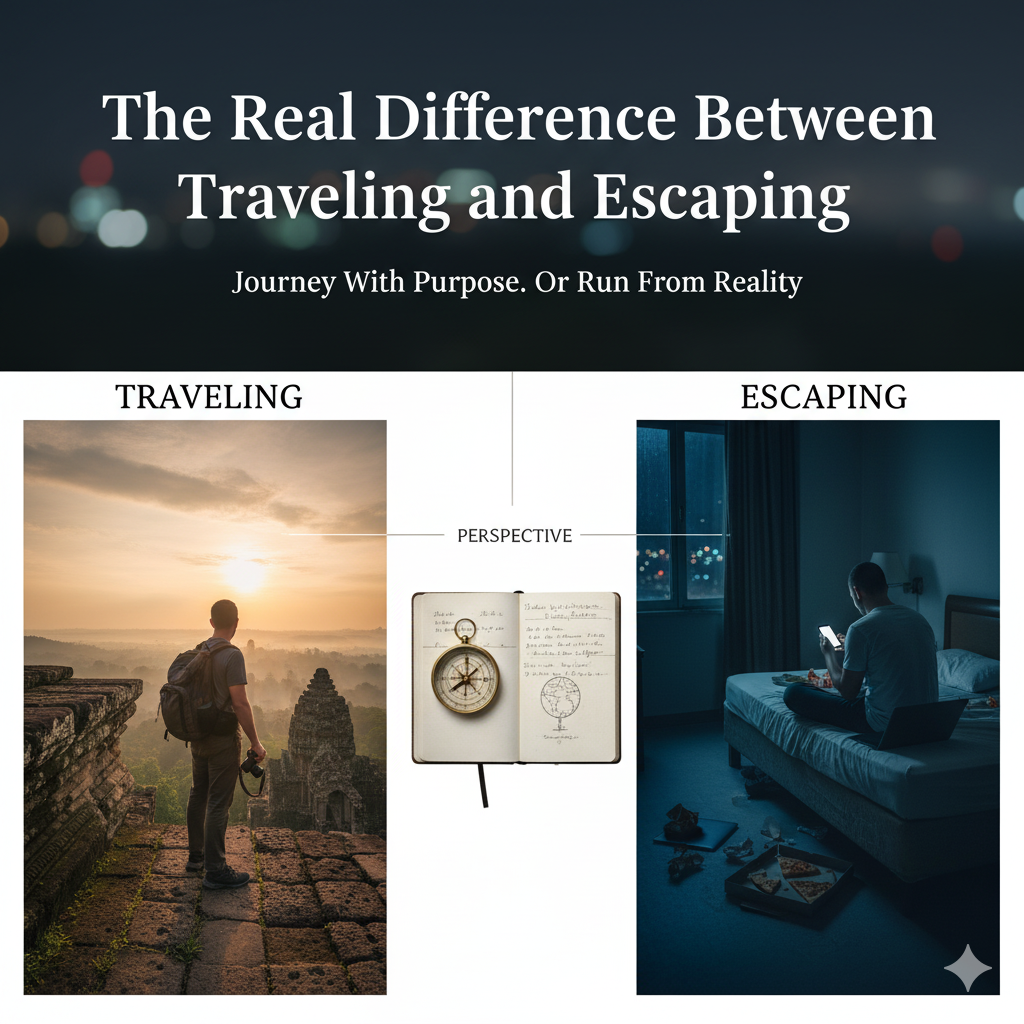
The Real Difference Between Traveling and Escaping

Traveling and escaping are terms often used interchangeably, yet they carry distinct meanings, goals, and experiences. While both involve leaving our familiar environments, their motivations, intentions, and outcomes differ. One is about discovery, growth, and exploration, while the other is driven by a need to run away, hide, or take a break from personal challenges. In this article, we’ll delve into the real difference between traveling and escaping, highlighting how these two concepts can shape our experiences and perspectives.

Understanding Traveling vs. Escaping

Before we dive into the specific differences, let’s first define what we mean by traveling and escaping.

What Does Traveling Really Mean?

Traveling is often associated with exploration, adventure, and cultural immersion. It involves journeying to new or distant places to experience something different. Traveling typically has a purpose—whether it’s leisure, business, education, or a combination of these factors.

The essence of traveling lies in learning, experiencing new cultures, meeting new people, and gaining a fresh perspective on life. Traveling allows you to broaden your horizons, try new activities, and make memories that enrich your life. It can be a form of self-discovery, a chance to reconnect with nature, or simply a way to unwind and break from routine.

What About Escaping?

Escaping, on the other hand, has a more emotional and psychological connotation. When people talk about escaping, they often refer to leaving behind something they’re trying to avoid or run away from. It could be an escape from stress, overwhelming emotions, or the pressures of everyday life. The key aspect of escaping is that it often involves a desire to avoid or hide from something rather than facing it head-on.

Escaping might involve running away from personal problems, unresolved issues, or overwhelming feelings. People often turn to escape when they feel unable to cope with their current situation or when they simply need a break from their responsibilities.

While both traveling and escaping involve physical movement or a change in scenery, escaping is often more about relief, while traveling is about discovery and experience.

The Key Differences Between Traveling and Escaping

Now that we have a basic understanding of both concepts, let’s explore the key differences between traveling and escaping.

Intentions and Motivations

Traveling: A Journey of Discovery

One of the most significant differences between traveling and escaping is the intention behind the trip. When we travel, our motivation is often to explore something new, broaden our knowledge, or grow as individuals. The idea is to learn, challenge ourselves, and be immersed in different cultures or environments.

For instance, a trip to Italy for a cooking class, or to Japan to experience its traditions, is about diving into a culture, understanding its history, and trying something new. Traveling can be intentional, whether for leisure, education, or personal growth. It’s about experiencing the world with open eyes and mind, actively seeking out new experiences.

Escaping: A Reaction to Stress

Escaping, however, is more reactive than proactive. When we escape, it’s usually because we feel overwhelmed, trapped, or burdened by responsibilities or emotions. The intent behind an escape is not necessarily about discovery or personal growth, but rather about stepping away from an unpleasant reality.

Escaping can involve running away from personal issues, such as work stress, relationship difficulties, or even mental health struggles. It might not always be about the destination but more about seeking temporary relief from feelings of burnout, frustration, or confusion. For example, someone might escape to a remote beach resort to forget about the pressures of their job or personal life, but they may not be looking for anything new or enriching. They simply want to “get away.”

Emotional and Mental Impact

Traveling: The Power of Transformation

The emotional and mental impact of traveling is generally positive. Traveling can be a transformative experience. It challenges our perspectives, forces us to adapt to new environments, and helps us discover things about ourselves that we never knew before. It promotes personal growth, self-awareness, and deeper empathy towards others.

For instance, meeting people from different backgrounds can lead to a greater understanding of global issues and diverse viewpoints. Traveling can also be a means of self-reflection. Time away from the daily grind allows us to pause, reflect, and recharge.

Moreover, traveling often promotes a sense of accomplishment and fulfillment. Exploring new cities, hiking through beautiful landscapes, or even trying new foods can offer feelings of joy and satisfaction that contribute to our emotional well-being.

Escaping: Temporary Relief, But No Resolution

On the flip side, escaping offers temporary relief, but it rarely provides long-lasting resolution or healing. Escaping tends to be a form of avoidance rather than engagement. While it might help you to feel better for a short period of time, the problems you’re trying to escape from often remain unresolved once the escape is over.

For example, a weekend getaway to relax might help you decompress, but the pressures of work or personal life will likely return once you’re back home. Escaping doesn’t typically offer a path to resolving the underlying issues, and this can lead to a cycle of needing to escape again and again.

Escaping can sometimes even exacerbate feelings of dissatisfaction because it postpones dealing with personal struggles. When the emotional baggage isn’t addressed, it can result in a sense of emptiness or confusion when the escape ends.

The Length and Nature of the Experience

Traveling: Planning and Preparation

When we travel, there’s often an element of planning and anticipation involved. Traveling is a commitment—whether it’s a weekend getaway, a week-long holiday, or an extended backpacking adventure. We spend time researching destinations, booking accommodations, and preparing for the experiences we want to have. This preparation can be exciting and fulfilling in itself.

Traveling can involve diverse activities, and it often includes a mix of relaxation, exploration, and learning. You might hike up a mountain in the morning, visit a museum in the afternoon, and enjoy a delicious local dinner in the evening. Each moment is an opportunity to learn and grow.

Moreover, traveling often requires us to step out of our comfort zones. It could involve overcoming language barriers, navigating unfamiliar environments, or simply trying new things. These challenges make the travel experience enriching and memorable.

Escaping: The Need for Immediate Relief

Escaping, on the other hand, is typically more about finding immediate relief. There’s little to no planning involved when you’re simply trying to “get away.” You might book a last-minute trip, head to a nearby town for the weekend, or take a break from your regular routine. The nature of the experience is usually shorter, as the goal is not long-term exploration or growth, but temporary relief from stress or anxiety.

Escaping is often impulsive and driven by a need to find quick relief from overwhelming emotions. It’s less about exploration and more about disconnecting, if only for a short while.

The Aftermath: What Happens After the Experience?

Traveling: Long-Term Benefits

The aftermath of a travel experience is typically positive. After a trip, you return with new memories, knowledge, and often a renewed sense of purpose or motivation. Traveling offers a long-lasting impact because it helps shape who we are. We return home feeling more open-minded, relaxed, and appreciative of the world around us.

Even if a trip involves some challenges or discomforts, those experiences tend to lead to personal growth. Traveling forces us to think critically, be resourceful, and adapt to new circumstances, which enriches our lives long after we return.

Escaping: The Return to Reality

On the contrary, escaping can leave you feeling disoriented or even more stressed when you return. Since the escape doesn’t address the root cause of your stress or anxiety, you may find that you return home only to face the same challenges and pressures you left behind.

The escape might offer temporary comfort, but the underlying problems often remain, creating a sense of dissatisfaction or even regret once the temporary relief fades. If you constantly rely on escaping, you may find that the cycle repeats itself without ever providing a permanent solution to your issues.

Conclusion: Which One Are You Seeking?

Both traveling and escaping serve valuable purposes, but they cater to different emotional needs and life circumstances. If you’re looking for growth, exploration, and a chance to experience something new, traveling is the path to take. It’s about embracing new opportunities and learning from the world around you.

On the other hand, if you’re simply trying to temporarily alleviate stress or escape from a difficult situation, escaping might offer the quick relief you’re seeking. However, it’s important to recognize that escaping doesn’t solve the underlying issues—it just provides a temporary break.

Ultimately, the real difference between traveling and escaping is about intention, impact, and long-term fulfillment. If you want to enrich your life and broaden your horizons, traveling is the way forward. But if you need to hit pause and catch your breath, an escape may offer the relief you need—just be mindful of why you’re choosing to step away.

So, whether you’re packing your bags for a new adventure or seeking a brief respite from your daily routine, it’s essential to understand the motivations behind your journey and how it will impact your emotional and mental well-being.

Suspicious activity detected

It looks like someone else may be using your ChatGPT account. Please secure your account to regain access to all features. Learn more.

ChatGPT can make mistakes. OpenAI doesn’t use oxaam.com workspace d

Budget-Friendly Travel: How I Spent a Weekend Adventure Under $100

Traveling on a budget doesn’t have to mean missing out on adventure, fun, and unforgettable experiences. In fact, it can be an opportunity to explore new places without breaking the bank. I recently had the chance to spend an amazing weekend away for under $100, and I’d like to share how I managed to make it happen. Whether you’re looking for a spontaneous getaway or just trying to stretch your travel budget further, this article will walk you through my budget-friendly travel experience, filled with tips and tricks to help you embark on your own affordable adventure.

The Goal: A Weekend Adventure for Less Than $100

When you think of a weekend getaway, it’s easy to assume it will cost hundreds of dollars between accommodation, meals, transportation, and activities. However, with some careful planning, a little flexibility, and a focus on low-cost alternatives, I managed to keep the total cost of my weekend trip under $100. Here’s how I did it.

Choosing the Destination: Local and Close to Home

The first step to saving money on travel is choosing a destination that is relatively close to home. This eliminates the need for expensive flights, long-distance travel, or costly transport. For my weekend trip, I chose a destination within a 2-3 hour drive from where I live, keeping transportation costs low and allowing for more flexibility.

Transportation: Road Trip on a Budget

One of the easiest ways to save on travel expenses is by driving. Whether you have your own car or you can borrow one from a friend or family member, road trips are a great way to avoid the high costs of flights or public transportation.

In my case, I used my own car, which meant I didn’t have to pay for a flight or bus tickets. While gas prices can fluctuate, I made sure to plan my trip efficiently, calculating the cost of fuel beforehand and making the most out of each tank. To further reduce transportation costs, I packed my car with snacks and drinks, so I wouldn’t need to stop at overpriced convenience stores or restaurants along the way.

Finding Affordable Accommodation: Camping and Hostels

Accommodation is often one of the biggest expenses when traveling, but it doesn’t have to be if you think outside the box. Instead of booking an expensive hotel or resort, I opted for affordable alternatives like camping or staying in hostels.

For my weekend adventure, I decided to camp. It’s not only cheap but also a fantastic way to connect with nature. I chose a nearby national park where camping fees were only $25 per night. The park provided clean restrooms and showers, which meant I didn’t have to sacrifice comfort for affordability. Plus, camping allowed me to enjoy stunning sunrises and sunsets without paying for a view.

Free and Low-Cost Activities: Nature Trails, Hiking, and Sightseeing

One of the best parts of budget travel is that many activities are completely free or very low-cost. Nature-based activities, like hiking, visiting parks, or exploring scenic viewpoints, are not only enjoyable but also often cost little to nothing. I took full advantage of the natural beauty around me during my weekend adventure.

I spent my Saturday morning hiking on a popular trail in the national park. The trail was free to access, and the scenery was breathtaking. I also explored a nearby lake where I could walk along the shoreline, rent a kayak for an affordable price, or simply relax and enjoy the fresh air. These types of activities don’t require much money but can provide an enriching experience.

Additionally, I made sure to explore local landmarks and free attractions. Many cities and towns offer free museums, historical sites, and public parks to explore, all of which can enhance your travel experience without putting a dent in your budget.

Meal Planning: Grocery Store Shopping and Simple Meals

Food is another area where expenses can quickly add up, especially if you eat out for every meal. Instead of relying on restaurants or takeout, I opted for a more budget-friendly approach by planning my meals in advance and shopping at a local grocery store.

Before my trip, I made a shopping list of affordable, easy-to-make meals. I bought ingredients for sandwiches, salads, and snacks—foods that were not only nutritious but also cost-effective. I prepared most of my meals at the campsite, which helped me save money while still enjoying delicious food. For instance, I cooked a simple but hearty meal of pasta with marinara sauce and garlic bread one night, which only cost a few dollars per serving.

When I did eat out, I stuck to local, casual dining spots that offered affordable meals. Many small towns have hidden gems where you can get a filling meal for less than $10. I found a quaint diner that offered a great breakfast for only $6, which was a perfect way to start my second day of exploring.

The Breakdown of My $100 Weekend Adventure

Let’s break down the total cost of my weekend trip to give you a clearer picture of how I kept everything under $100.

Transportation Costs

  • Gas: $20 (for the round-trip drive)
  • Snacks and drinks: $5

Accommodation

  • Campsite fees: $50 (2 nights at $25 per night)

Activities

  • National park entrance: Free
  • Hiking and sightseeing: Free
  • Kayak rental: $10

Food

  • Groceries for meals: $15
  • Dining out: $10

Total: $100

As you can see, with careful planning, it’s possible to have an amazing weekend adventure without overspending. By minimizing unnecessary expenses and focusing on low-cost options, I was able to enjoy a fulfilling trip for just $100.

Tips for Saving Money on Your Next Budget-Friendly Trip

If you’re looking to plan your own affordable getaway, here are some additional tips to help you save money and make the most of your budget:

1. Travel During Off-Peak Times

If possible, try to travel during off-peak seasons when prices for accommodation and attractions are lower. Traveling during the week rather than on weekends can also help you save money on flights and lodging.

2. Use Discount Travel Websites

Websites like Airbnb, Booking.com, and Hostelworld often offer great deals on accommodation. If you’re open to staying in hostels or budget hotels, you can find affordable places to stay even in expensive cities.

3. Pack Your Own Food

Preparing your own meals while traveling is one of the best ways to save money. Bring a cooler with sandwiches, snacks, and drinks, or opt for easy-to-make meals like pasta, salads, or rice dishes. This will help you avoid spending a lot on eating out.

4. Take Advantage of Free Attractions

Many destinations offer free attractions, such as public parks, museums, and hiking trails. Research your destination beforehand to find out what free activities are available. This will allow you to enjoy the local culture without spending extra money.

5. Stay with Friends or Use Couchsurfing

If you’re traveling to a destination where you know someone, ask if you can stay with them to save on accommodation costs. Alternatively, you can use Couchsurfing, a platform that connects travelers with locals who offer free places to stay.

6. Be Flexible with Your Travel Plans

Flexibility is key when it comes to saving money on travel. If you’re open to adjusting your travel dates or destination, you can take advantage of last-minute deals and discounts on flights and accommodation.

7. Keep Transportation Costs Low

When traveling on a budget, try to use public transportation or carpool with friends to save on travel expenses. If you’re traveling within a city, consider walking or renting a bike instead of using taxis or ride-sharing services.

8. Avoid Souvenir Shopping

Souvenir shopping can quickly add up and eat into your travel budget. Instead of buying expensive keepsakes, take photos of the places you visit and create your own travel memories. If you do want a souvenir, opt for something small and inexpensive, like a postcard or keychain.

Conclusion: Enjoying Affordable Travel Without Compromise

Spending a weekend adventure under $100 is not only possible, but it can also be incredibly rewarding. By focusing on affordable transportation, budget accommodation, free activities, and simple meals, I was able to experience a fulfilling trip without breaking the bank. Traveling on a budget requires creativity and planning, but it doesn’t mean sacrificing quality or enjoyment.

Remember, the most important part of any trip is the experience, not how much money you spend. Whether you’re embarking on a weekend adventure or planning a longer journey, there are always ways to save money without compromising on the fun and memories you create along the way.

With the right mindset and a bit of preparation, you can enjoy amazing travel experiences that fit perfectly within your budget. So, why not start planning your own budget-friendly getaway today?

A Local’s Guide to Exploring Your Own City Like a Tourist

Living in a city for years can sometimes cause us to overlook its hidden gems and unique spots. As a local, you might pass by famous landmarks every day without giving them a second thought. However, there’s something magical about exploring your own city as if you were a tourist. Doing so allows you to rediscover the beauty, history, and culture that you’ve grown so accustomed to. In this guide, we’ll show you how to explore your own city like a tourist and make the most of your local adventure.

1. Rediscover Local Landmarks and Historic Sites

Why Landmarks Matter

When we live somewhere for a long time, we often forget why certain landmarks are so special. As a tourist, the grandeur of these places can evoke excitement and awe. It’s time to embrace that feeling by revisiting your city’s iconic landmarks and learning about their historical significance.

Must-Visit Local Landmarks

Start by visiting famous local landmarks you might have taken for granted. Whether it’s a historic building, a towering monument, or a museum, these places tell the story of your city’s past. For example, if you’re in New York, visiting landmarks like the Statue of Liberty, the Empire State Building, or the Metropolitan Museum of Art will offer a fresh perspective. Alternatively, if you live in a city like Paris, rediscovering the Eiffel Tower or the Notre-Dame Cathedral will reconnect you to the city’s charm.

Many cities also have lesser-known historical spots, such as old theaters, cemeteries, or abandoned factories. These often hold fascinating stories and offer a more intimate connection to the city’s heritage.

2. Explore Neighborhoods You’ve Never Visited

The Charm of Unexplored Neighborhoods

One of the best ways to explore your city like a tourist is to venture into neighborhoods that you may have never visited before. Even if you’ve lived there for years, certain areas might still be a mystery to you. These hidden neighborhoods can offer a completely different atmosphere, with their own local cafes, shops, and cultural experiences.

How to Experience New Neighborhoods

Start by mapping out neighborhoods that are either on the outskirts or tucked away in the center. Each neighborhood has its own distinct personality, from artsy districts filled with galleries and street art to hipster enclaves full of indie coffee shops. Walk through these areas as if you’re discovering them for the first time. Take your time to wander the streets, stop by unique boutiques, or grab a bite to eat at a local restaurant. Don’t be afraid to stray from the main roads and explore the alleyways and hidden courtyards that make your city so special.

3. Treat Yourself to a Staycation

What is a Staycation?

A staycation is the perfect way to experience your own city as if you were a tourist. Instead of traveling far and wide, take a break from your daily routine and book a night (or two) at a local hotel. You’ll be surprised at how different your city feels when you’re enjoying it from the perspective of a visitor.

How to Enjoy a Staycation

Choose a hotel that offers a unique experience, whether it’s a luxurious five-star hotel or a cozy boutique bed and breakfast. The goal is to step out of your regular environment and embrace the experience of being a tourist. Once you check-in, treat the staycation like a mini-vacation. Visit nearby attractions, take in the local sights, and enjoy some of the city’s best restaurants or cafes.

A staycation also allows you to take full advantage of amenities you might not have experienced before, such as a rooftop bar, pool, or spa. After your stay, you’ll return home feeling refreshed and with a newfound appreciation for your city.

4. Discover Local Events and Festivals

The Magic of Local Festivals

Cities often host a wide array of events and festivals throughout the year, but as locals, we can sometimes miss out on them. When you explore your city like a tourist, make it a point to check out local festivals, art exhibitions, food markets, and live performances. These events offer a unique opportunity to experience the local culture and meet other people from the community.

How to Participate in Local Events

Research what’s happening around your city, from outdoor concerts to food and wine festivals. Even if you’ve lived there for years, there are likely events that you haven’t attended yet. Mark your calendar and make an effort to go, even if it’s just for a few hours. You might discover new local artists, musicians, and chefs who you wouldn’t have encountered otherwise.

Don’t forget to embrace the local traditions and customs associated with these events. Whether it’s a cultural parade, a local market, or a food festival, these activities are designed to celebrate the essence of your city.

5. Take a Guided Tour

The Value of a Guided Tour

One of the most touristy things you can do is to take a guided tour. While this may sound strange if you’re a local, it can be incredibly enlightening. Often, we pass by famous sites without knowing their full history or significance. A guided tour can help you appreciate your city in a whole new light, as tour guides are often local experts with insider knowledge.

Types of Tours to Try

There are many different types of tours you can take depending on your interests. Walking tours are a great way to discover hidden gems and learn about your city’s history. Bike tours are another fun option, allowing you to cover more ground while enjoying the outdoors. Food tours are perfect for foodies who want to taste the best local dishes and learn about the city’s culinary traditions.

If you’re looking for something more unique, consider taking a historical tour, a ghost tour, or even a photography tour to learn how to capture the beauty of your city.

6. Visit Museums and Cultural Institutions

Why Museums Matter

Museums offer a deep dive into the culture, history, and art of a city. As locals, we often overlook the fascinating exhibits and collections housed in our own cities. Visiting museums and cultural institutions can give you a greater understanding of your city’s roots, from its artistic heritage to its political past.

Must-See Museums and Cultural Spots

Whether it’s a modern art museum, a historical society, or a museum dedicated to the local history, each cultural institution offers a chance to learn something new. Take the time to explore exhibits that highlight your city’s unique culture. You may discover surprising facts, rare artifacts, and incredible artworks that you’ve never noticed before.

For example, a visit to a natural history museum can provide insight into your city’s geological past, while an art gallery can offer a glimpse into the minds of local artists. Many cities also have hidden gems like small, specialized museums that focus on niche topics such as local sports history, indigenous cultures, or even quirky curiosities.

7. Take Photos Like a Tourist

Seeing Your City Through a Tourist’s Lens

When you live in a city, it’s easy to stop noticing the beauty around you. But as a tourist, every street corner, building, and park becomes a photo opportunity. To truly explore your city as a tourist, grab your camera or smartphone and start taking photos. This simple act can help you notice details you might have missed otherwise.

Tips for Capturing Your City’s Charm

Start by visiting well-known landmarks, but don’t stop there. Look for unique details—like intricate architecture, colorful street art, or a quiet café on a hidden street—that might make for an interesting shot. Take photos from different angles or during different times of the day to capture how the light changes your surroundings. Remember, the goal is to document your city’s charm in a way that you’ve never done before.

8. Embrace the Local Cuisine

Exploring Your City’s Food Scene

One of the best ways to experience your city like a tourist is through its food. Every city has its own culinary traditions, and exploring the local cuisine can introduce you to flavors and dishes you may have never tried before. Even as a local, you might find new restaurants, food stalls, or markets that offer a fresh take on your city’s food scene.

Where to Eat and What to Try

Make a list of must-try dishes and eateries in your city. Whether it’s street food, casual dining, or upscale restaurants, challenge yourself to try something new. Don’t forget to visit local food markets or take a cooking class to truly immerse yourself in the flavors of your city.

Conclusion: Embrace Your City with Fresh Eyes

Exploring your own city like a tourist is a wonderful way to rediscover its beauty, culture, and history. By stepping outside your daily routine and embracing the city’s landmarks, neighborhoods, events, and local experiences, you’ll see your home in a completely new light. Remember, the world’s most extraordinary experiences can often be found right in your own backyard. So go ahead, embrace your city with fresh eyes, and start exploring!

Suspicious activity detected

It looks like someone else may be using your ChatGPT account. Please secure your account to regain access to all features. Learn more.

ChatGPT can make mistakes. OpenAI doesn’t use oxaam.c

Hidden Gems in North Africa You Need to Visit Once in Your Life

North Africa is a region rich in history, culture, and natural beauty. While many travelers flock to well-known destinations like Cairo, Marrakech, and Tunis, the true essence of the region often lies in its lesser-known spots. These hidden gems, far from the typical tourist crowds, offer an authentic experience of North Africa’s diverse landscapes, ancient ruins, and fascinating cultures. In this article, we will explore some of the best hidden gems in North Africa that you need to visit once in your life.

1. Siwa Oasis, Egypt: A Desert Paradise

The Beauty of Siwa Oasis

Located in Egypt’s Western Desert, Siwa Oasis is one of the country’s most serene and beautiful hidden gems. This remote desert town is known for its ancient ruins, salt lakes, and palm groves. Siwa is famous for its natural beauty and the welcoming hospitality of its residents. The oasis is surrounded by sand dunes, making it a perfect escape from the busy streets of Cairo.

Things to Do in Siwa Oasis

Siwa offers a variety of activities that blend history, nature, and adventure. The Temple of the Oracle, where Alexander the Great is said to have received a prophecy, is one of the most important historical sites. Additionally, you can visit the ancient ruins of Shali Fortress, built from mud brick, and enjoy a swim in the refreshing Cleopatra Spring.

For those seeking adventure, the Great Sand Sea is nearby, offering an opportunity for dune bashing or even a peaceful ride on a camel. Siwa’s salt lakes, such as Lake Siwa and Lake Zeitun, provide a stunning backdrop for nature lovers and photographers alike.

2. Djerba, Tunisia: A Tranquil Island Escape

The Allure of Djerba

Djerba, an island off the coast of Tunisia, is often referred to as the “Island of Dreams.” This hidden gem combines beautiful beaches, rich culture, and historical significance. While some parts of Djerba are popular with tourists, many areas remain tranquil and largely undiscovered.

What Makes Djerba Special?

Djerba’s charm lies in its blend of Arab, Berber, and Jewish cultures. The island is home to the El Ghriba Synagogue, one of the oldest and most important Jewish sites in the world. The island’s white-washed houses with blue shutters, narrow streets, and bustling markets provide a picturesque setting that feels far removed from the tourist crowds.

For those looking to unwind, Djerba offers some of the best beaches in North Africa. The island’s Mediterranean coast boasts soft, sandy shores and crystal-clear waters, perfect for swimming, sunbathing, and watersports.

3. The Desert of Tassili n’Ajjer, Algeria: A UNESCO World Heritage Site

Exploring the Hidden Wonders of Tassili n’Ajjer

Tassili n’Ajjer National Park, located in southeastern Algeria, is a true hidden gem. This UNESCO World Heritage site is home to some of the world’s most stunning rock art and unique landscapes. The park’s dramatic cliffs, sand dunes, and plateaus offer an otherworldly experience for nature lovers and history buffs alike.

What to See in Tassili n’Ajjer

The highlight of a visit to Tassili n’Ajjer is the incredible prehistoric cave paintings that date back over 10,000 years. These artworks depict scenes of daily life, wildlife, and religious rituals, offering a fascinating glimpse into the ancient cultures that once inhabited the region.

Visitors can also explore the surreal landscape of the park, which includes the famous “Forest of Stone”—an area filled with towering rock formations that seem to defy gravity. Trekking through the park is a rewarding experience, allowing travelers to immerse themselves in one of North Africa’s most remote and untouched regions.

4. Chefchaouen, Morocco: The Blue City in the Mountains

The Enchantment of Chefchaouen

Chefchaouen, often called the “Blue Pearl of Morocco,” is a charming town nestled in the Rif Mountains. Known for its striking blue-painted buildings and narrow, winding streets, Chefchaouen is a photographer’s paradise. The town’s serene atmosphere and stunning views make it a must-visit for those seeking both beauty and tranquility.

Why Visit Chefchaouen?

Chefchaouen is more than just a picturesque town; it is a place where visitors can soak in the local culture and relax away from the hustle and bustle of Morocco’s larger cities. The town’s medina, with its vibrant markets, artisan shops, and cafes, offers a chance to experience traditional Moroccan life.

The nearby Rif Mountains offer excellent opportunities for hiking and exploring nature. The Akchour Waterfalls, located just outside the town, are a popular spot for trekking, swimming, and enjoying the lush greenery that surrounds the falls.

5. Matmata, Tunisia: A Trip Back in Time

The Unique Troglodyte Houses of Matmata

Matmata is a small town in southern Tunisia, famous for its troglodyte homes—underground dwellings carved into the soft rock of the desert landscape. These unique homes, which have been used for centuries, provide a fascinating look at traditional Berber life and architecture.

Why Matmata is a Must-Visit

Visiting Matmata feels like stepping back in time. The troglodyte houses are cool and comfortable, even in the scorching desert heat, and offer a unique glimpse into the way people once lived in this harsh environment. Some of these homes have been converted into hotels, allowing visitors to experience what it’s like to live like the Berbers of old.

The nearby Chott el Jerid, a vast salt flat, adds to the otherworldly feel of the region. Travelers can explore this eerie landscape by camel or jeep, marveling at the expansive horizon and shimmering salt pans.

6. Ghardaïa, Algeria: The Jewel of the M’zab Valley

Discovering the Hidden Beauty of Ghardaïa

Ghardaïa is a city in the M’zab Valley of Algeria, known for its distinctive architecture and vibrant cultural heritage. The city is a UNESCO World Heritage site, recognized for its unique blend of Islamic, Berber, and medieval architecture. Ghardaïa’s five cities are connected by winding streets and narrow alleyways, all offering a glimpse into a way of life that has remained unchanged for centuries.

What Makes Ghardaïa Special?

Ghardaïa is famous for its intricate, maze-like architecture, which was designed to create a sense of harmony with the surrounding desert environment. The white-washed buildings, narrow streets, and traditional markets give the city an ancient and peaceful atmosphere.

The M’zab Valley is home to a unique Berber community, and visitors can learn about their customs and way of life. The city’s markets are filled with colorful textiles, spices, and handicrafts, providing an authentic shopping experience. Ghardaïa is also a great base for exploring the surrounding desert landscapes, including the nearby Tassili n’Ajjer National Park.

7. Aswan, Egypt: A Tranquil Escape by the Nile

The Peaceful Charm of Aswan

Aswan, located on the banks of the Nile River, is a peaceful alternative to Egypt’s more crowded tourist destinations. While it is known for its ancient temples and tombs, it is also a haven for those seeking a slower pace of life and a more intimate connection with the country’s history and culture.

Things to Do in Aswan

One of the highlights of Aswan is the Temple of Philae, dedicated to the goddess Isis. The temple, located on an island in the Nile, can only be reached by boat, adding to its sense of mystery and serenity. Another must-see site is the Nubian Museum, which offers fascinating insights into the history and culture of Egypt’s Nubian people.

Visitors can also take a relaxing boat ride on the Nile, enjoying the views of the riverbanks and the surrounding desert. For a truly unique experience, you can spend the night in a Nubian-style house, enjoying traditional food and hospitality.

Conclusion: North Africa’s Hidden Gems Are Waiting

North Africa is a region full of surprises, offering a diverse range of hidden gems that remain relatively undiscovered by mass tourism. From the serene oasis of Siwa to the remote rock art of Tassili n’Ajjer, these destinations provide travelers with a chance to experience the true spirit of North Africa. Whether you’re exploring ancient ruins, hiking through dramatic landscapes, or simply soaking in the local culture, these hidden gems are the perfect way to experience the magic of North Africa without the crowds.

So, if you’re looking to escape the ordinary and discover something truly unique, add these hidden gems to your travel bucket list. They promise unforgettable experiences that will stay with you for a lifetime.

How Internet Culture Shapes Our Real-Life Conversations

In today’s digital age, the internet has become a powerful force in shaping every aspect of our lives. From the way we communicate to how we interact with one another, the internet plays a central role in shaping our conversations—both online and offline. Internet culture, which refers to the customs, memes, language, and behaviors that thrive in online spaces, significantly impacts how we converse in the real world. This article delves into how internet culture influences real-life conversations and explores the various ways it has transformed our communication styles.

The Rise of Internet Culture

What is Internet Culture?

Internet culture is a unique set of norms, trends, and behaviors that emerge within digital spaces. These elements often originate on platforms like social media, forums, blogs, and video-sharing websites, where users share content, engage in discussions, and create viral trends. Internet culture is ever-evolving, fueled by the rapid pace of online interactions and the constant flow of new trends and ideas. Over time, memes, slang, and catchphrases from online spaces have transcended the digital realm and made their way into real-life interactions.

The Influence of Social Media

Social media platforms like Twitter, Instagram, TikTok, and Facebook have played a major role in shaping internet culture. These platforms foster constant communication, enabling users to share thoughts, experiences, and ideas in real-time. As a result, phrases, trends, and even the tone of conversations on these platforms have become ingrained in how people speak in real life.

Take, for example, the widespread use of abbreviations such as “LOL” (laugh out loud), “BRB” (be right back), or “SMH” (shaking my head). These terms, which originated from online chat rooms, are now commonly used in everyday conversations, regardless of whether the speaker is online or offline.

How Internet Culture Affects Our Daily Conversations

The Adoption of Online Slang and Catchphrases

The impact of internet culture on real-life conversations is perhaps most visible in the adoption of online slang and catchphrases. Terms like “fam,” “lit,” “slay,” “vibe check,” and “FOMO” (fear of missing out) have all made their way from internet chats to everyday interactions. These words carry a specific meaning and emotional context that are often tied to the experiences of online users.

Memes: The Language of the Internet

Memes are another crucial element of internet culture that significantly influences the way we converse in real life. A meme is a piece of media—often a humorous image, video, or text—that is widely shared and modified by many users. The viral nature of memes has transformed them into a universal language, one that requires minimal context for understanding.

Memes allow us to express complex emotions, humor, and social commentary in a concise, relatable way. For instance, the phrase “this is fine” from a popular meme, which depicts a dog sitting calmly in a room engulfed by flames, has become shorthand for situations where someone pretends everything is okay, even though it’s clearly not. In real-life conversations, this meme has become a humorous way to convey frustration or resignation in the face of adversity.

Hashtags: More Than Just a Trend

Hashtags, which were once limited to social media platforms like Twitter and Instagram, have become a part of how we communicate offline as well. A hashtag is a word or phrase preceded by the “#” symbol that is used to categorize content and make it easily searchable. Over time, hashtags have evolved beyond their original purpose and have become a way to express opinions, highlight trends, and even organize social movements.

Hashtags like #YOLO (you only live once), #Blessed, or #GoodVibesOnly are often used to convey a specific attitude or mindset, whether on social media or in face-to-face conversations. The casual use of hashtags in everyday speech reflects how internet culture has infiltrated our language and, in some cases, has become an essential part of modern-day communication.

The Changing Tone of Conversations: Informality and Humor

From Formal to Informal Communication

The internet has brought about a shift from formal, structured communication to a more casual and conversational tone. When communicating online, there are fewer rules and expectations regarding language, leading to more relaxed, informal conversations. This shift in tone has carried over into real-world interactions, particularly among younger generations who are more immersed in internet culture.

The use of emojis, GIFs, and abbreviations, which are common in online communication, is becoming more prevalent in face-to-face conversations. Emojis, for instance, are used to express emotions or add nuance to a message. An eye-roll emoji might be used to convey sarcasm, or a smiling face emoji could indicate warmth and friendliness. The informal nature of these symbols makes conversations feel more personal and expressive.

Humor and Sarcasm: Internet’s Influence on Humor

The internet has significantly impacted how humor is used in daily conversations. Humor online tends to be faster-paced, more absurd, and often reliant on irony or sarcasm. These same forms of humor have started to influence how we joke with others in person.

Internet humor often involves self-deprecation, exaggerated expressions, or absurdity, and this type of humor has become more common in everyday speech. Phrases like “I’m dead” or “I can’t even” are used to express an extreme reaction to something funny or overwhelming. These expressions, while exaggerated, provide a shared moment of understanding between speakers, especially when they reference popular internet memes or viral videos.

Sarcasm in Online Conversations

Sarcasm has always been a part of human conversation, but internet culture has enhanced its use. In online spaces, sarcasm can often be detected through tone, facial expressions, or punctuation, which is not always present in written text. As a result, internet users have developed creative ways to indicate sarcasm, such as using quotation marks or exaggerating certain words.

The overuse of sarcasm, often through the use of memes or sarcastic comments, has transferred into real-world conversations. In face-to-face interactions, people may use exaggerated tones or playful expressions to mimic the sarcastic style popularized by internet culture.

The Influence of Video Content and Live Streaming

The Popularity of YouTube and TikTok

YouTube and TikTok have become cultural powerhouses, shaping how people create and consume content. These platforms have introduced new trends, challenges, and forms of expression that influence how we talk to one another. YouTube, with its vast library of videos, and TikTok, with its short-form viral videos, provide a constant flow of entertainment, education, and inspiration that affect how we approach conversations.

For instance, TikTok dances, challenges, and catchy phrases have made their way into everyday dialogues. Whether it’s referencing a popular TikTok trend or quoting a funny moment from a YouTube video, these platforms have given us a common language based on shared experiences.

Live Streaming and Real-Time Conversations

Live streaming on platforms like Twitch and Instagram Live has introduced a new level of immediacy and interactivity into online conversations. Viewers can comment, react, and even influence the content in real time. This live engagement has influenced how we converse in person, making conversations feel more spontaneous and interactive.

In real-life interactions, people may reference or imitate live-streaming behaviors, such as talking to an “audience” or responding to hypothetical “comments” from others. This blending of online interaction styles with real-world conversations has helped create a more dynamic and engaging way of communicating.

Conclusion: The Blurring Line Between Online and Offline Communication

As internet culture continues to shape how we interact with one another, the line between online and offline communication becomes increasingly blurred. From the use of memes and hashtags to the adoption of internet slang and humor, internet culture has left a lasting impact on how we converse in real life.

As technology continues to evolve, it’s likely that internet culture will further influence communication, making our conversations more informal, humorous, and expressive. While some may argue that this shift leads to a loss of meaningful conversation, it’s clear that internet culture has created new ways for people to connect, share experiences, and express themselves in both online and offline spaces.

The question remains: How much more will internet culture shape our conversations in the future? One thing is certain: the internet’s influence on our communication is far from over.

Why Nostalgia Has Become the New Comfort Zone

Nostalgia has become a significant force in modern culture, showing up in everything from fashion trends to entertainment, technology, and even the way we connect with others. In an increasingly fast-paced world full of uncertainty, many people are finding comfort in the past, embracing nostalgic memories as a refuge from the challenges of today. But why has nostalgia become so popular, and why do we feel the need to retreat to the past when the future can seem so uncertain?

In this article, we’ll explore how nostalgia has evolved into the new comfort zone and why it provides a sense of security, warmth, and connection. We will also look at the psychological and societal factors that contribute to the rise of nostalgia, and how it impacts our emotional well-being and cultural experiences. Let’s dive into why nostalgia has become so comforting and how it has shaped contemporary society.

Understanding Nostalgia: What It Is and Why It Matters

1. What is Nostalgia?

Nostalgia is often described as a sentimental longing or wistful affection for the past, typically for a time or place with personal significance. It’s a complex emotion that blends happiness with a bittersweet yearning for a time when life seemed simpler, more secure, or more meaningful. This feeling can be triggered by various things—whether it’s a song, a place, a childhood memory, or an old television show.

While nostalgia was once seen as a somewhat melancholic or even negative emotion, it has evolved in modern times to become a source of comfort and reassurance. Instead of simply longing for the past, people today are actively seeking out nostalgia to help them cope with the stresses of modern life. It has become a powerful tool for emotional regulation, providing a sense of grounding in a world that often feels unpredictable.

2. The Rise of Nostalgia in Modern Culture

Over the past decade, we’ve seen a surge in nostalgic trends across various industries. From the return of vintage fashion and retro video games to the resurgence of 90s pop culture and reboots of classic TV shows and movies, nostalgia has infiltrated nearly every aspect of modern life. Platforms like social media and streaming services have made it easier than ever for people to reconnect with the past, whether through nostalgic memes, playlists, or even entire genres of music and entertainment that hark back to earlier decades.

But what’s driving this rise in nostalgia? To understand the role nostalgia plays in today’s society, we need to look at the psychological and cultural factors that influence this behavior.

The Psychological Comfort of Nostalgia

1. Nostalgia as Emotional Regulation

One of the key reasons nostalgia has become the new comfort zone is its ability to provide emotional regulation. In times of stress, uncertainty, or sadness, people often turn to the past to find comfort and emotional stability. Nostalgic memories offer a sense of safety, warmth, and reassurance, providing a temporary escape from the challenges of the present.

Research has shown that nostalgia can increase feelings of happiness and improve overall well-being. By reminiscing about positive experiences and simpler times, individuals can enhance their mood, reduce anxiety, and improve their self-esteem. Nostalgia has the unique ability to connect individuals with their past selves, creating a sense of continuity and identity. When people feel disconnected or uncertain, revisiting these familiar memories can help them regain a sense of stability and comfort.

2. Nostalgia and the Need for Control

In a world that often feels chaotic and uncontrollable, nostalgia provides a comforting sense of predictability. The past is fixed and unchanging, offering a stark contrast to the unpredictability of the present. By revisiting familiar experiences, places, and people, individuals can feel like they are regaining some control over their lives. The act of remembering the past can also help people make sense of current challenges, providing a sense of perspective and helping them navigate difficult emotions.

Furthermore, nostalgia can act as a coping mechanism during times of personal crisis or societal upheaval. When people feel helpless or lost, the past offers a refuge, a place where things made sense and felt manageable. This desire for control is particularly relevant in today’s fast-paced, digital world, where constant change and uncertainty are a common experience.

3. Nostalgia as a Source of Connection

Nostalgia can also create a sense of connection, both to our past selves and to others. Shared experiences and memories are powerful bonding tools, and nostalgia has the ability to bring people together in a way that few other emotions can. Whether it’s bonding over the same childhood TV show, reminiscing about the same music, or laughing about a common experience, nostalgia helps foster a sense of camaraderie and belonging.

In a time when social isolation and loneliness are on the rise, nostalgia provides an opportunity to reconnect with others—whether through conversations, social media, or even group activities like watching retro films or playing vintage video games. This sense of shared nostalgia can help people feel less alone and more connected to those around them, enhancing their overall sense of well-being.

Nostalgia in the Age of Technology: How the Digital World Amplifies the Comfort of the Past

1. The Role of Social Media in Nostalgic Trends

Social media platforms like Instagram, Facebook, and TikTok have become powerful tools for revisiting the past. Through throwback photos, memes, and viral challenges, people are actively sharing nostalgic content that resonates with their personal experiences. Social media fosters a sense of collective memory, allowing users to reminisce about their shared pasts with others, creating a community built on nostalgia.

Hashtags like #ThrowbackThursday and #FlashbackFriday have become staples of internet culture, with people regularly posting images or videos from earlier years as a way to relive and share their experiences. These platforms not only allow individuals to connect with their own past but also with the cultural moments and trends that shaped their generations. This digital connection to the past has made nostalgia more accessible than ever before, allowing it to thrive in ways it never could before the internet.

2. Streaming Services and the Revival of Classic Entertainment

The rise of streaming services like Netflix, Hulu, and Disney+ has played a significant role in the resurgence of nostalgic content. These platforms have made it incredibly easy to revisit classic films, TV shows, and cartoons from past decades, allowing people to reconnect with the entertainment that defined their childhoods or earlier years.

Streaming services have also capitalized on the growing demand for nostalgia by rebooting or remaking popular shows and movies. Shows like Fuller House, The Fresh Prince of Bel-Air, and Will & Grace have attracted huge audiences by offering viewers a modern take on familiar favorites. This trend not only appeals to older audiences who grew up with these shows but also introduces younger generations to the cultural touchstones of previous decades.

3. Nostalgia in Video Games and Virtual Worlds

The world of video games has seen a similar revival of nostalgic content, with remakes of classic games, retro consoles, and even mobile apps that allow people to play old-school games from their childhoods. The rise of virtual reality (VR) and augmented reality (AR) has further intensified this nostalgia, as people can now immerse themselves in digital worlds that replicate the past.

For many, playing these games is a way to relive the joy and excitement of their younger years. Nostalgic video games tap into the emotional connection people have with their past, offering an interactive way to experience the games that shaped their childhoods. In an era where much of daily life is increasingly digital, these nostalgic experiences provide a much-needed emotional anchor.

Nostalgia in Popular Culture: The Influence of the Past on Fashion, Music, and Art

1. The Return of Vintage Fashion

In recent years, vintage fashion has made a significant comeback. From 80s and 90s-inspired streetwear to the resurgence of bell-bottoms and other retro styles, fashion trends are increasingly looking to the past for inspiration. This trend is particularly evident in the rise of thrift stores, where people actively seek out clothes from previous decades to create unique, nostalgic outfits.

Vintage fashion provides a way for individuals to reconnect with a simpler time, one that is often associated with carefree youth and personal expression. The growing popularity of vintage clothing is part of a larger cultural shift toward nostalgia, as people seek comfort in the aesthetics and memories of the past.

2. The Influence of Retro Music

Music is another area where nostalgia plays a significant role. From the revival of vinyl records to the resurgence of genres like synthwave and retro pop, the past is alive and well in modern music. Streaming platforms like Spotify have made it easier for people to rediscover music from earlier decades, and the popularity of retro playlists and curated channels showcases the enduring appeal of music from the past.

For many, listening to old songs or rediscovering music from their youth is a way to relive moments of happiness and nostalgia. Music has a unique ability to evoke powerful emotions, and songs from the past can trigger vivid memories and feelings of connection to a time when life felt simpler.

3. Nostalgia in Art and Design

The influence of nostalgia can also be seen in art and design. Contemporary artists and designers are increasingly looking to the past for inspiration, incorporating elements of vintage styles and cultural references into their work. This retro-inspired art not only celebrates the past but also encourages people to reconnect with the things they love about it.

Whether it’s the resurgence of retro advertising styles, the popularity of 8-bit art, or the revival of mid-century modern design, nostalgia has become an important aesthetic force in the world of contemporary art and design.

Conclusion: Embracing the Comfort of Nostalgia

Nostalgia has become more than just a fleeting emotional response—it has become a cultural force that provides comfort, connection, and meaning in an increasingly uncertain world. Whether through music, fashion, entertainment, or social media, nostalgia offers a sense of security and emotional refuge, helping people cope with the challenges of modern life.

In a time when the future can seem unpredictable, turning to the past for comfort allows us to find stability, emotional grounding, and a sense of belonging. Nostalgia has become the new comfort zone, a space where we can revisit the memories, experiences, and cultural touchstones that have shaped who we are.

As we continue to navigate the complexities of the digital age, nostalgia will likely remain a powerful tool for emotional regulation and cultural connection. It reminds us that, even in the face of rapid change, the past will always have a place in our hearts, offering solace and comfort when we need it most.

Books That Changed How I See the World — and Might Change Yours Too

Books have an incredible power to shape the way we think, challenge our assumptions, and broaden our understanding of the world. Some books are more than just stories or information—they serve as windows into different lives, perspectives, and realities. They can open our minds and shift our paradigms in ways that nothing else can. Over the years, I have had the privilege of reading books that completely transformed how I view the world, each offering a unique insight into human nature, society, and our place in the universe.

In this article, I’ll share with you a selection of books that have deeply influenced my thoughts, behaviors, and overall worldview. These are books that might change the way you think too—whether about your own life, society, or the world at large.

The Power of Perspective: Books That Open Your Mind

1. Sapiens: A Brief History of Humankind by Yuval Noah Harari

One of the most eye-opening books I’ve ever read is Sapiens by Yuval Noah Harari. Harari takes us on an expansive journey through human history, from the earliest days of Homo sapiens to the present. What makes this book so powerful is how it forces you to reconsider everything you think you know about our species. Harari challenges the traditional narrative of human history, offering a refreshing perspective on how we evolved, built societies, and ultimately shaped the world we live in today.

What stood out the most to me was Harari’s discussion of the Cognitive Revolution—the moment when Homo sapiens developed the ability to create and share complex ideas. This revolution gave birth to myths, religions, cultures, and economies that have governed human behavior for millennia. Harari’s exploration of how these collective myths shape our lives made me realize just how much of human history is built on shared beliefs and social constructs.

Key Takeaway: This book reminded me that much of what we perceive as “real” is based on collective human imagination and agreement. It challenged my perspective on history, society, and the future.

2. The Alchemist by Paulo Coelho

While Sapiens was intellectual and analytical, The Alchemist by Paulo Coelho is a poetic, spiritual tale that changed the way I approach life’s journey. The story follows a young shepherd named Santiago, who embarks on a quest to find his personal legend, or life’s purpose. Along the way, he encounters various people who help him understand the importance of following one’s dreams and listening to one’s heart.

What struck me about this book is its message of self-discovery and the interconnectedness of all things. Coelho explores themes like destiny, intuition, and the universe’s mysterious ability to guide us if we remain open to its signs. The book teaches you that true wisdom often lies in understanding the world not just with your intellect, but with your soul.

Key Takeaway: The Alchemist helped me embrace the idea that the path to fulfillment isn’t linear and that every experience, no matter how small, has a deeper purpose. It reinforced the importance of following my own inner calling.

Understanding the World Around Us: Books That Challenge Our Views

3. Outliers: The Story of Success by Malcolm Gladwell

Malcolm Gladwell’s Outliers explores the hidden factors that contribute to success—things we often overlook when we think about achievement. Gladwell challenges the conventional notion that success is simply the result of talent or hard work. Instead, he delves into the role of timing, culture, opportunity, and luck in shaping successful individuals.

The most eye-opening part of Outliers was the concept of the “10,000-Hour Rule.” According to Gladwell, mastery in any field requires not just innate talent, but also thousands of hours of practice. He uses examples from fields like music, sports, and technology to demonstrate how practice combined with the right opportunities can lead to extraordinary success.

Key Takeaway: Outliers fundamentally changed how I view success. It made me realize that the factors contributing to success are often beyond our control and that hard work and persistence are just one piece of a much larger puzzle.

4. The Second Sex by Simone de Beauvoir

Simone de Beauvoir’s The Second Sex is a foundational text in feminist philosophy and has had a profound impact on how I view gender and society. In this book, de Beauvoir critiques the historical treatment of women as the “Other” and explores how patriarchy has shaped the roles and expectations of women throughout history. She argues that women have been defined in relation to men, rather than as autonomous beings with their own identities and rights.

This book challenged many of the assumptions I had about gender equality, social norms, and the ways in which culture enforces gender roles. De Beauvoir’s philosophical approach to understanding women’s oppression helped me recognize the deep-seated nature of inequality and how it affects both women and men.

Key Takeaway: The Second Sex made me understand that gender inequality isn’t just a social issue; it’s an existential one. It encouraged me to question the deeply ingrained systems of power that shape our lives.

Personal Growth and Self-Reflection: Books That Spark Change

5. The Power of Now: A Guide to Spiritual Enlightenment by Eckhart Tolle

Eckhart Tolle’s The Power of Now is a transformative book about mindfulness and spiritual awakening. In it, Tolle teaches that the key to inner peace lies in living in the present moment and detaching from the incessant chatter of the mind. He argues that most of our suffering stems from our attachment to the past and our anxiety about the future.

What I found so compelling about this book is its simplicity. Tolle’s teachings don’t require any particular religious or philosophical framework. Instead, he offers practical advice on how to quiet the mind and experience life fully in the present. This was revolutionary for me, as I realized how often I had been dwelling on the past or worrying about the future, rather than appreciating the richness of the moment I was in.

Key Takeaway: The Power of Now taught me the importance of living in the present and not being consumed by regrets or anxieties. It helped me understand that peace and contentment can be found right here, right now.

6. Man’s Search for Meaning by Viktor E. Frankl

Viktor Frankl’s Man’s Search for Meaning is a profound meditation on life, suffering, and the human capacity for resilience. Frankl, a Holocaust survivor and psychiatrist, reflects on his experiences in Nazi concentration camps and how he found meaning even in the most unbearable circumstances. He argues that the search for meaning is the primary motivation in human life, and that finding meaning in suffering is key to psychological survival.

Reading this book was a deeply moving experience. Frankl’s insights into the human spirit and its ability to find purpose in the face of unimaginable adversity helped me rethink my own approach to hardship. The book reminded me that we have the power to choose our responses to life’s challenges, no matter how difficult they may be.

Key Takeaway: Man’s Search for Meaning reinforced the idea that life’s purpose is not something to be found outside of ourselves, but within our own attitudes and choices. It showed me how powerful the human capacity for meaning and resilience truly is.

A New Understanding of Humanity and Society: Books That Shape Our Worldview

7. The Righteous Mind: Why Good People Are Divided by Politics and Religion by Jonathan Haidt

Jonathan Haidt’s The Righteous Mind is an insightful exploration into the psychology of morality and how our political and religious beliefs are shaped. Haidt argues that humans are moral creatures, but our sense of what is “right” or “wrong” is deeply influenced by our social, cultural, and emotional experiences. The book delves into the divide between liberals and conservatives, showing how people on both sides of the political spectrum often share the same moral values but differ in how they prioritize them.

What struck me most about this book was Haidt’s ability to explain how deeply ingrained moral intuitions influence our political beliefs. It helped me understand that much of the political and ideological polarization we see today stems from these differences in moral reasoning, rather than from a lack of logic or understanding.

Key Takeaway: The Righteous Mind taught me the importance of empathy and understanding in political and ideological discussions. It helped me see that the moral values underlying political beliefs are often shared, even when opinions differ.

8. The Road by Cormac McCarthy

While not a non-fiction book, The Road by Cormac McCarthy is a powerful, emotional tale that left a lasting impact on me. Set in a post-apocalyptic world, it follows a father and his son as they struggle to survive in a desolate, lawless landscape. The novel explores themes of love, survival, and the human spirit, and it paints a haunting picture of what humanity might look like after the collapse of civilization.

Reading The Road was a sobering experience. It made me reflect on the fragility of life and the importance of human connection in times of crisis. The book forced me to confront the darker side of human nature while also reminding me of the incredible strength of love and hope, even in the face of overwhelming despair.

Key Takeaway: The Road served as a reminder of the importance of human relationships and the need to cherish the moments we have. It shifted my perspective on what truly matters in life.

Conclusion: The Books That Changed My Life

These books have all contributed to the way I see the world, helping me understand human nature, society, and my own role in the grand scheme of things. They have challenged my assumptions, expanded my worldview, and offered valuable insights into the nature of success, happiness, and meaning. While each book is unique in its message, they all share one thing in common: the ability to provoke deep thought and reflection.

If you’re looking for books that might change the way you see the world, these are a great place to start. Whether you’re interested in history, personal growth, or philosophy, the insights and lessons contained within these pages have the power to inspire profound shifts in your own perspective. Happy reading!